Ich rarely starts as a dramatic disaster. It usually begins with one fish flashing against a leaf, one small white grain on a fin, or a fish that looks a little more irritated than usual. The dangerous part is not only the parasite. The dangerous part is what beginners often do next: crank the heater, dump in medication, turn off the filter carbon, skip water tests, and hope the white dots disappear by morning.
Freshwater ich is commonly linked to Ichthyophthirius multifiliis, a ciliated parasite that appears as small white spots on the body, fins, or gills. The visible white spots are only one stage of the life cycle. Medication generally works best when the parasite leaves the fish and enters vulnerable free-swimming stages. That is why ich treatment is rarely a one-dose event.
The Healthy Aquariums approach is simple: confirm the pattern, stabilize the tank, protect oxygen, treat through the full life cycle, and avoid shortcuts that crash the aquarium while trying to save the fish.
What ich usually looks like
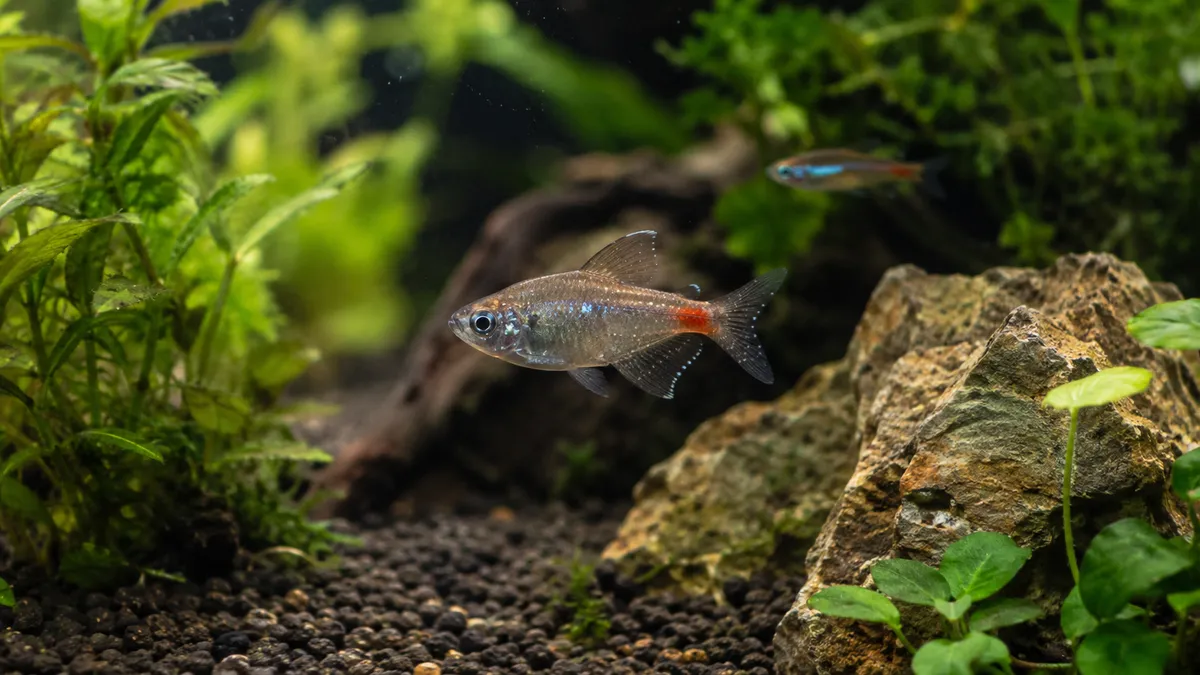
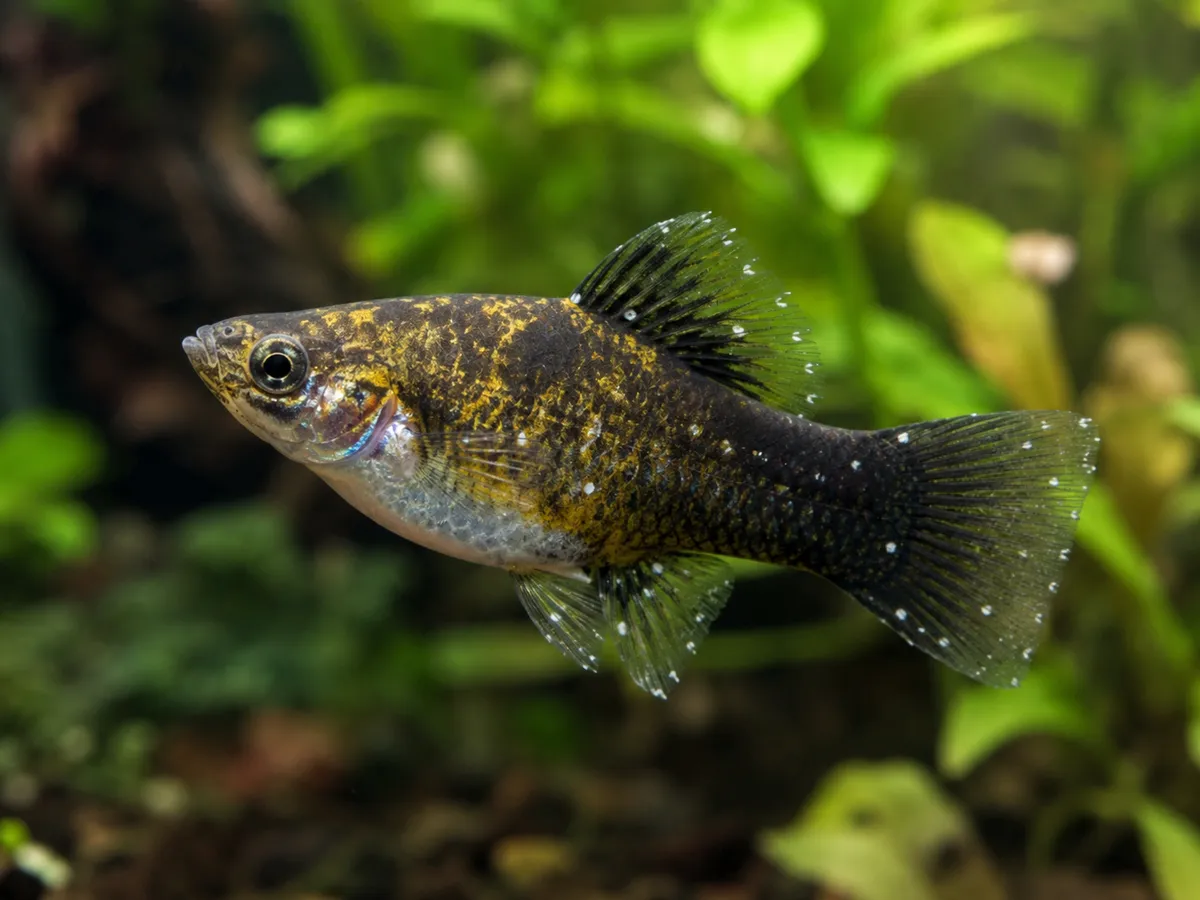
Classic ich looks like tiny grains of salt or sugar on fins, body, and sometimes gill covers. Fish may flash, clamp fins, hide, breathe faster, or lose appetite. In a community tank, the first fish to show obvious spots is not always the first fish infected. Sensitive or stressed fish often reveal the problem first.
Do not confuse every white mark with ich. A single cottony patch may be fungus or an injury. Fine gold dust may suggest velvet rather than ich. Large raised lumps, scars, breeding tubercles, lymphocystis-like nodules, or damaged slime coat can look different from true salt-grain spots. Diagnosis matters because the wrong treatment can waste time and stress fish.
Test water before treating
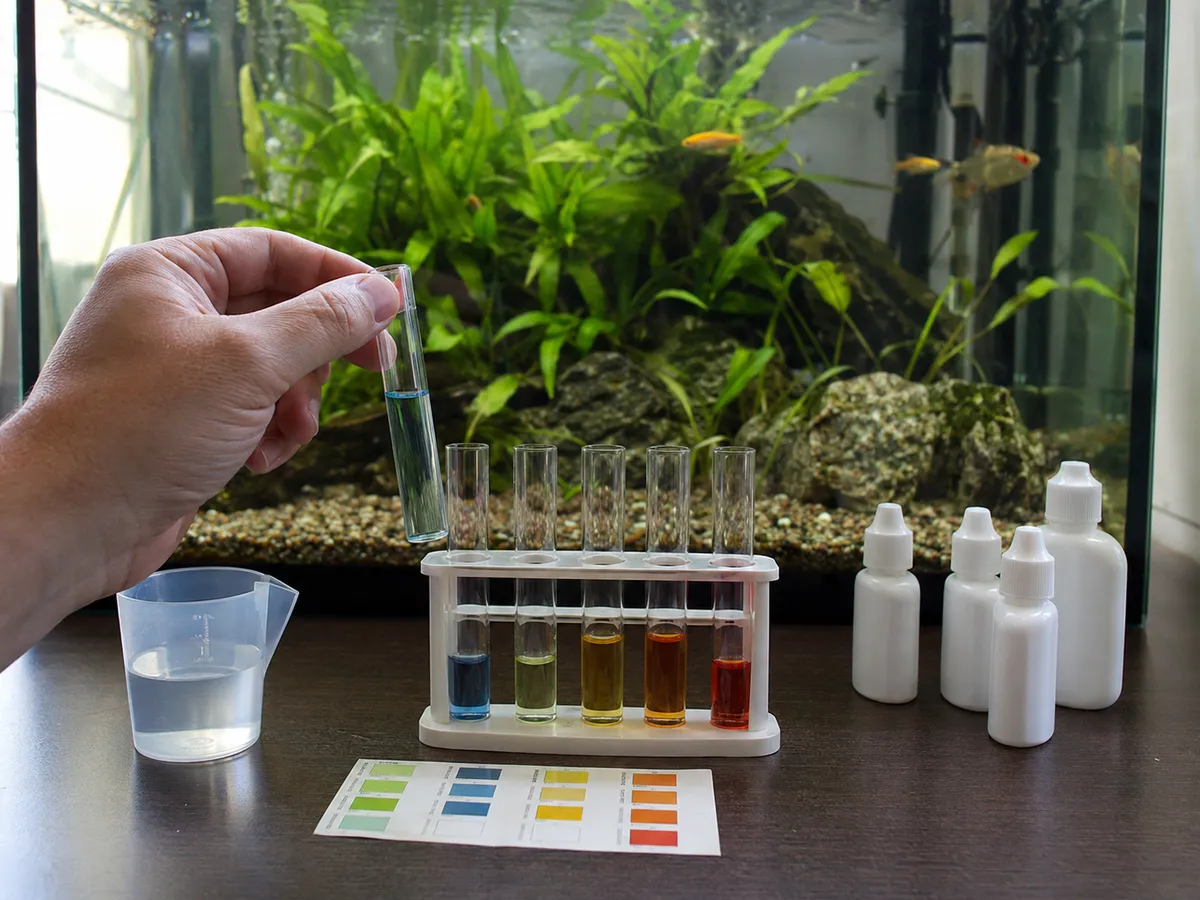
Before medication, test ammonia, nitrite, nitrate, pH, and temperature. Ich often appears after a stress event: a new fish, temperature swing, dirty filter, poor acclimation, overcrowding, or a skipped maintenance cycle. If ammonia or nitrite is present, fish are already dealing with gill stress. Medication added into toxic water can become the second hit.
If ammonia or nitrite is measurable, use a water conditioner that detoxifies ammonia/nitrite according to label directions, improve aeration, and perform controlled partial water changes with temperature-matched, dechlorinated water. Do not combine a massive emergency clean with medication, deep substrate stirring, and filter-media replacement. That double crash can weaken fish more than the parasite.
Heat is not a magic cure
Raising temperature can speed the ich life cycle in some cases, but it also reduces dissolved oxygen and increases fish metabolism. Warm water holds less oxygen. Sick fish need more oxygen, not less. This is why heat-only advice is risky.
If you raise temperature, do it gradually and only within the safe range of the fish species in the tank. Do not push goldfish, hillstream loaches, white cloud mountain minnows, or other cooler-water fish into tropical heat just because a forum said ich dies faster. Also remember the ammonia relationship: higher temperature and higher pH increase the toxic un-ionized ammonia fraction. A tank that seemed barely acceptable at a cooler temperature may become more dangerous after heat is raised.
Medication without biofilter damage
Use a freshwater ich medication that is suitable for your fish and tank inhabitants. Read the label carefully. Scaleless fish, shrimp, snails, loaches, and some catfish may be sensitive to certain medications. If the display tank contains sensitive invertebrates or plants, quarantine treatment may be safer.
Remove chemical media such as activated carbon only if the medication label says it will remove the medication. Keep the biological filter running. Do not wash bio-media in tap water. Do not replace all filter media during treatment. The biofilter is part of the treatment plan because it keeps ammonia and nitrite from rising while fish are already stressed.
Oxygen is the hidden treatment support
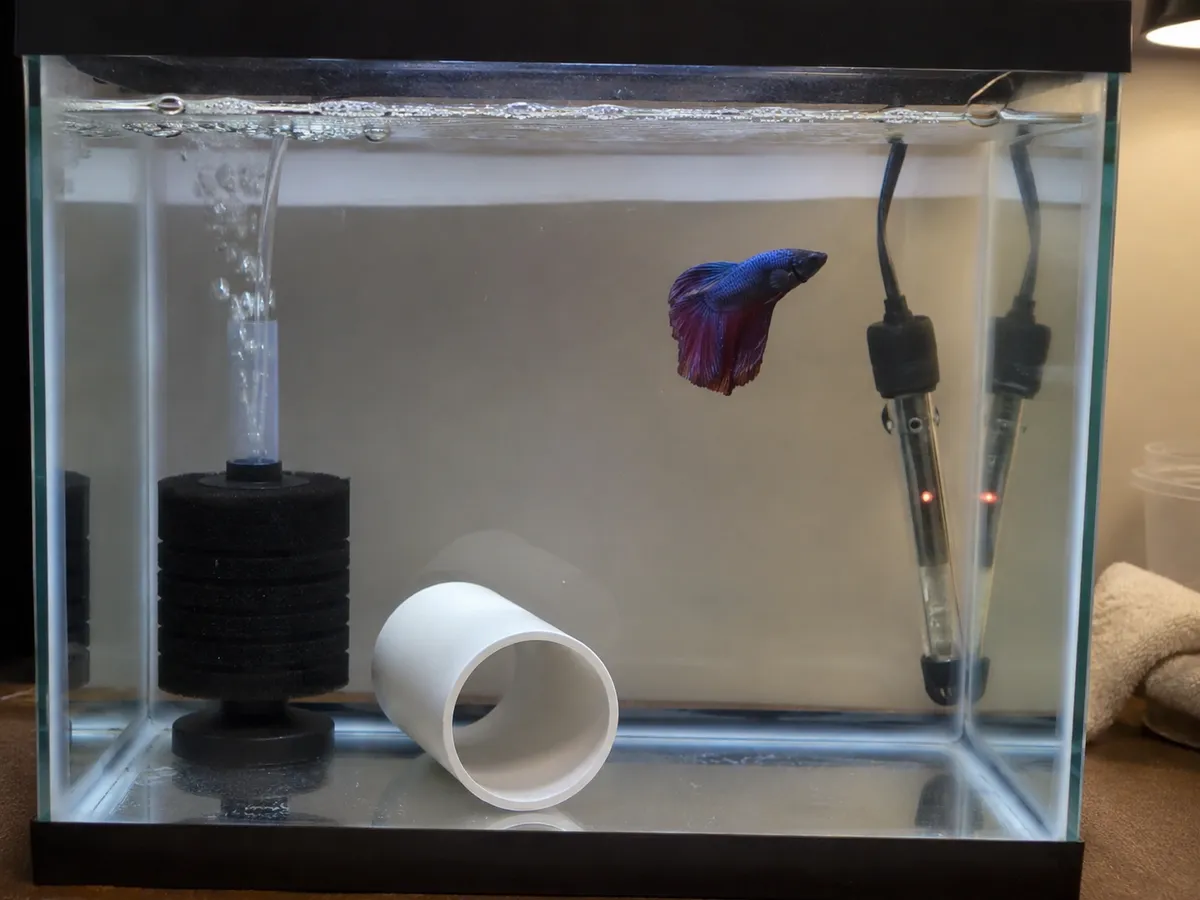
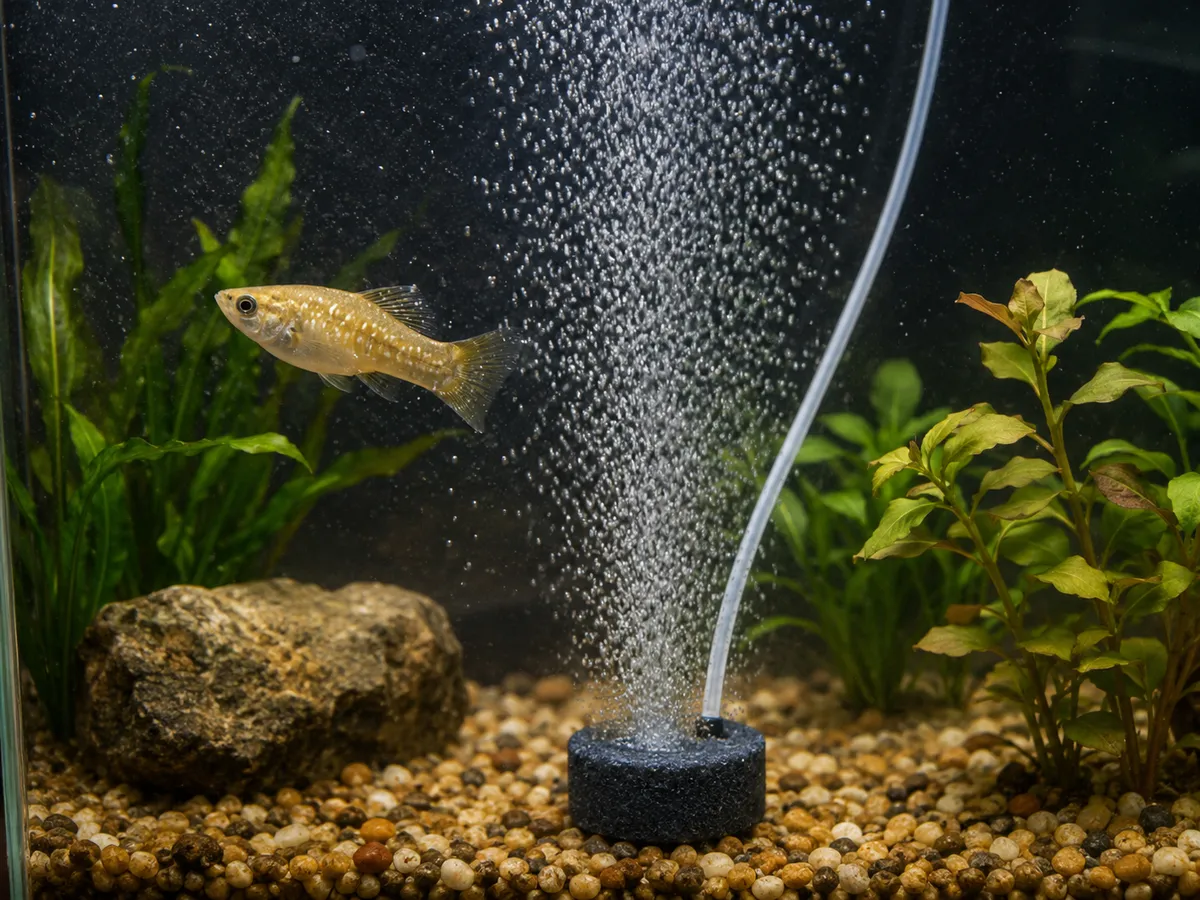
Medication, warmer water, gill irritation, and parasite load can all increase oxygen pressure. Add gentle aeration with an air stone or sponge filter. Aim for surface movement, not a fish-blasting current. If fish are gasping, staying near the filter return, or piping at the surface, treat that as urgent: test water and increase aeration immediately.
Why treatment must continue after spots fade
The white spots can disappear before the parasite population is fully controlled. Stopping treatment as soon as fish look better is one of the most common failures. Follow the medication schedule through the recommended treatment window and maintain stable temperature, oxygen, and water quality throughout.
Do not overdose because spots remain visible after one day. Visible spots may not be the stage the medication can kill. More medication is not automatically better. More often, it means stressed fish, damaged plants, and a weaker biofilter.
Practical treatment sequence
First, confirm the white-spot pattern and check the whole tank. Second, test ammonia, nitrite, nitrate, pH, and temperature. Third, improve oxygen with gentle aeration. Fourth, choose a treatment safe for your fish and invertebrates. Fifth, follow the label exactly and continue through the full course. Sixth, water-change only as directed or as needed for water quality, matching temperature within about 1°C when possible. Seventh, monitor appetite, breathing, flashing, and spot count daily.

Ich treatment is not just killing a parasite. It is keeping fish alive while their gills, immune system, and biofilter are under pressure.
Useful tools for ich diagnosis and support
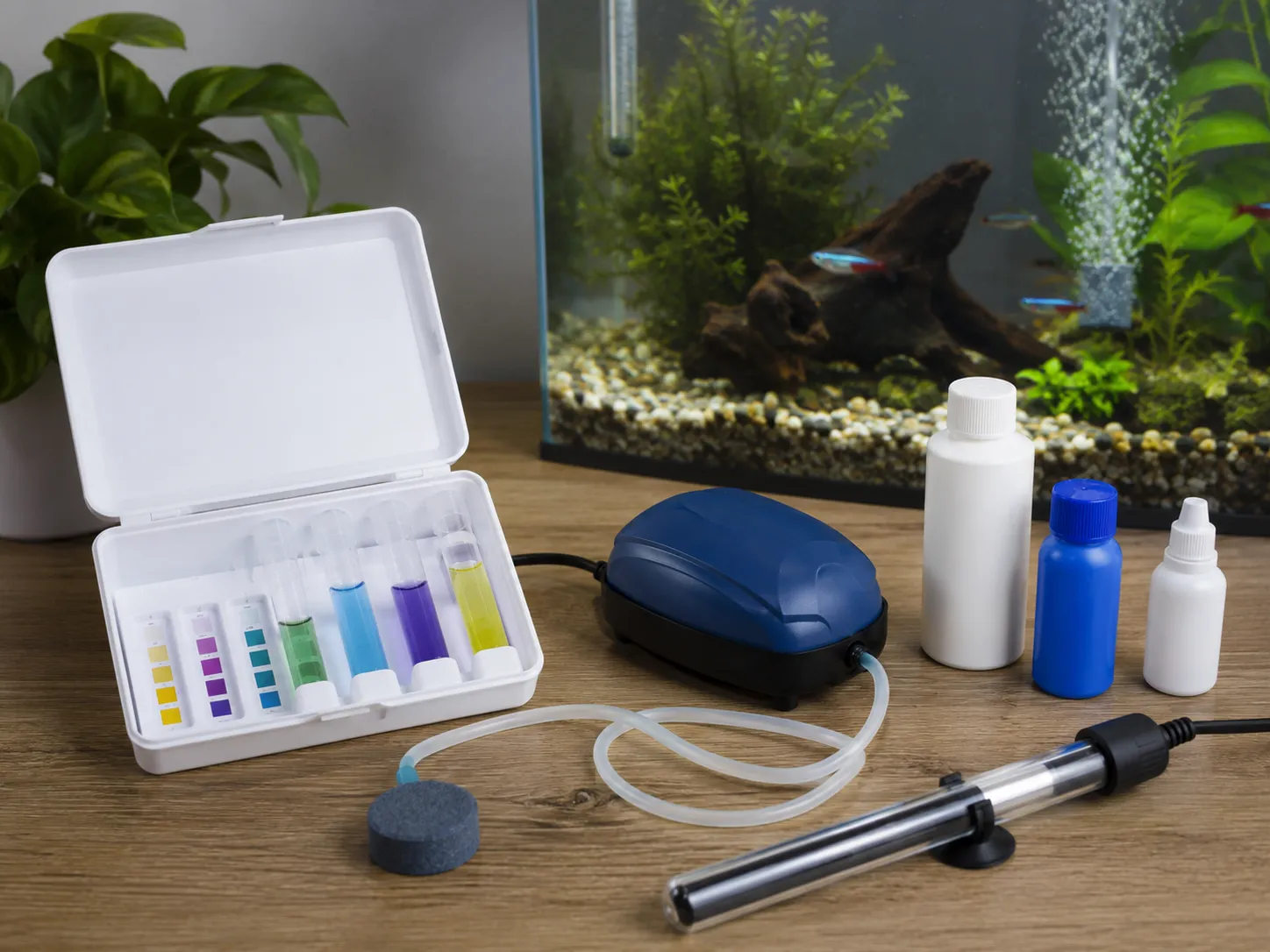
Freshwater Ich Treatment Support Kit
- Liquid ammonia/nitrite/nitrate test kit
- Ammonia-detoxifying water conditioner
- Adjustable heater and separate thermometer
- Air stone or sponge filter for oxygen support
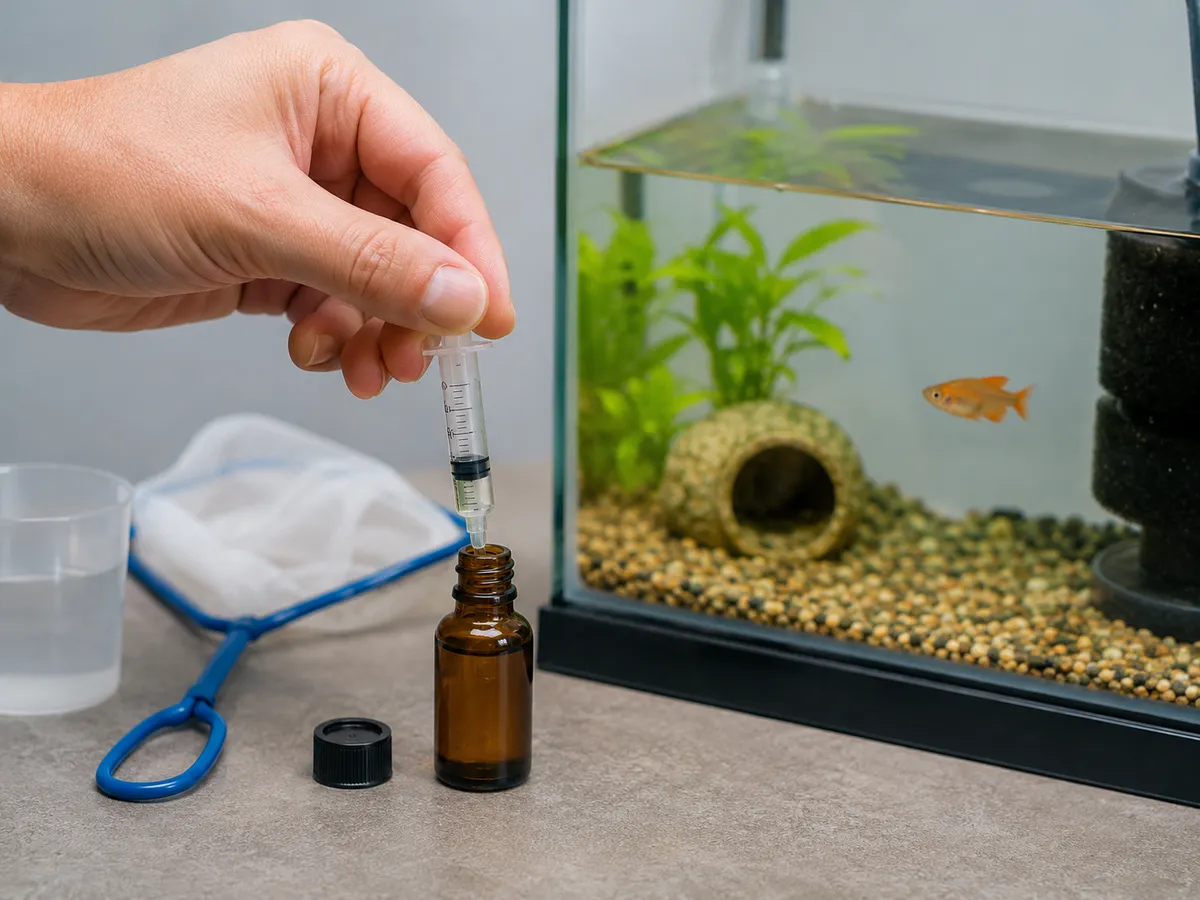
- Medication-safe measuring syringe or pipette
- Simple quarantine tank or plastic hospital tub
- Replacement filter floss for mechanical waste control
FAQ
Can ich go away on its own?
Sometimes spots seem to fade, but relying on that is risky. Ich can continue cycling in the tank and return harder. Treat the full life cycle while protecting water quality and oxygen.
Should I raise the temperature for ich?
Only within the safe range for your fish, and only gradually. Heat speeds parasite development in some situations, but it also lowers oxygen and can worsen ammonia toxicity.
Do I need to remove carbon during treatment?
Usually yes if the medication label says activated carbon will remove the medication. Do not remove biological media, and do not shut down the filter.
Can ich infect every fish in the tank?
Freshwater ich can spread through the aquarium. Even fish without visible spots may be exposed, so display-tank treatment is often needed unless fish are moved to a quarantine system very early.
Why are my fish gasping during ich treatment?
Gasping can come from gill irritation, low dissolved oxygen, medication stress, ammonia, nitrite, or heat. Increase aeration and test water immediately.
Can ich survive without a fish host?
Ich does not live indefinitely without fish. Its vulnerable free-swimming stage must find a host within a limited window, which is why quarantine, fallow periods, and full-course treatment matter. The exact timing depends on temperature, so do not stop treatment simply because the visible spots are gone.
Is it normal for spots to increase before they decrease?
It can happen. Spots that were already developing may become visible even after treatment starts, especially during the first part of the course. Watch the whole pattern: breathing, flashing, appetite, oxygen level, and whether new waves keep appearing after the expected treatment window.
Can I treat ich with salt only?
Salt may help some fish tolerate stress in certain controlled situations, but it is not a universal ich cure and can harm plants, snails, shrimp, and salt-sensitive fish. A safer approach is to identify the livestock, test water, then choose a treatment that matches the tank.
Should I move every fish to quarantine for ich?
If the parasite is already visible on several fish, the display tank is usually exposed. Moving only one fish may leave the parasite cycling in the main aquarium. Quarantine is most useful for new arrivals, sensitive fish, or when the display tank contains invertebrates that cannot tolerate medication.
Can ich come back after treatment?
Yes. It often returns when treatment is stopped early, temperature is unstable, new fish are added without quarantine, or the original stressor remains. Prevention is mostly about quarantine, stable water, and not letting maintenance problems weaken fish.
Related Guides
- Fish Gasping at the Surface
- Ammonia, Nitrite, and Nitrate
- Best Aquarium Test Kits
- Quarantine Tank Setup
- Aquarium Maintenance Schedule
Author Box
Written by the Healthy Aquariums editorial team for beginner fishkeepers who want practical, water-first advice. Our guidance prioritizes water testing, stable husbandry, careful observation, and avoiding treatment decisions that can damage the biofilter.
Editorial Note
This guide is educational fishkeeping content, not a veterinary diagnosis. If fish are dying quickly, showing severe lesions, or failing to respond to basic water correction, contact an aquatic veterinarian or experienced local fish professional. Always read medication labels and never mix medications unless the manufacturer or a qualified professional specifically says it is safe.
References
- Merck Veterinary Manual. “Parasitic Diseases of Fish.” https://www.merckvetmanual.com/exotic-and-laboratory-animals/aquarium-fish/parasitic-diseases-of-fish
- University of Florida IFAS. “Ichthyophthirius multifiliis (White Spot) Infections in Fish.” https://ask.ifas.ufl.edu/publication/FA006
- Merck Veterinary Manual. “Environmental Diseases of Aquatic Animals in Aquatic Systems.” https://www.merckvetmanual.com/exotic-and-laboratory-animals/aquatic-systems/environmental-diseases-of-aquatic-animals-in-aquatic-systems