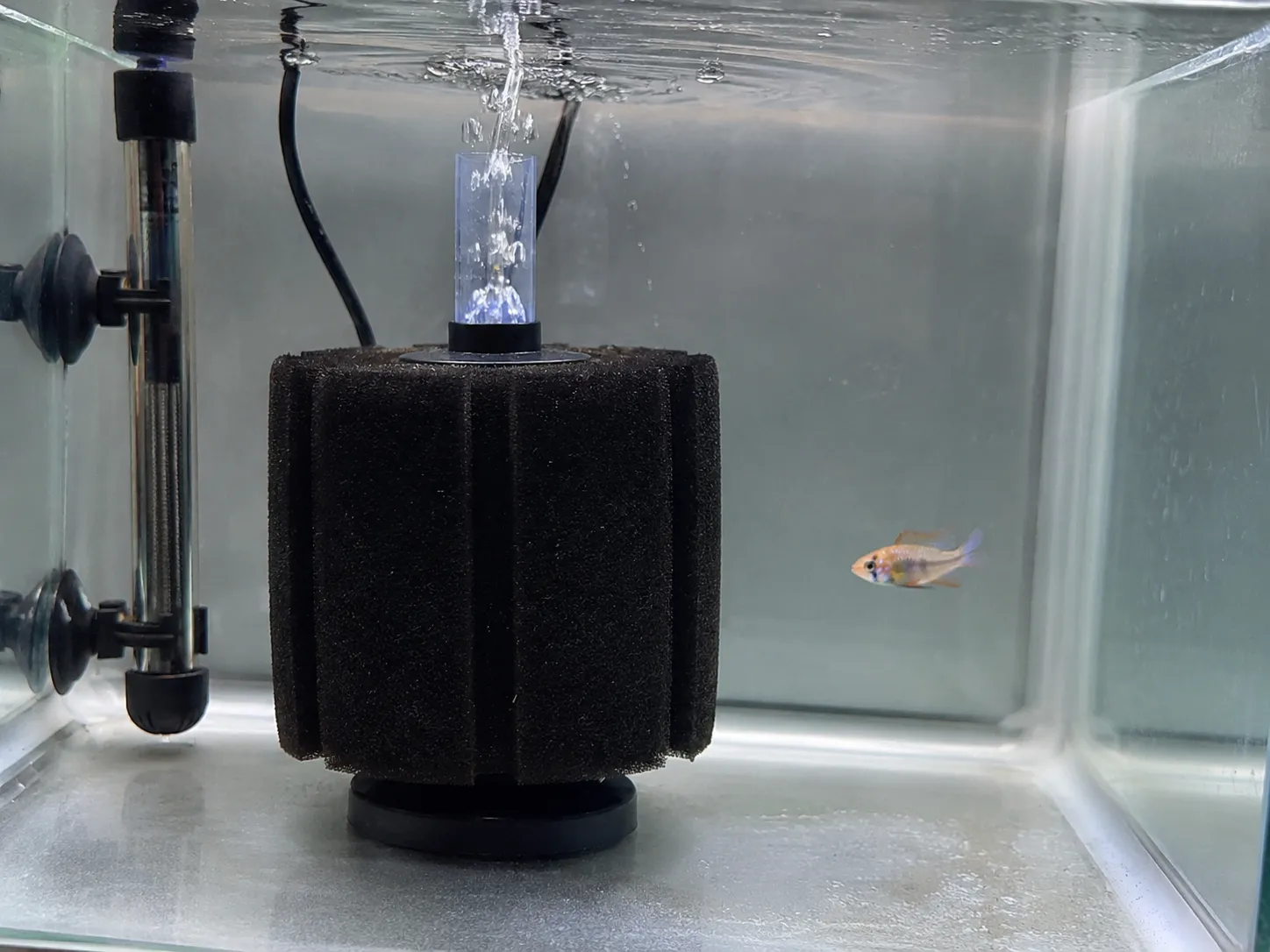
Most aquarium disease disasters start with one sentence: “The new fish looked fine at the store.” New fish can carry parasites, bacterial infections, stress damage, or simply arrive exhausted from shipping. If they go straight into the display tank, every fish in the aquarium becomes part of the experiment.
A quarantine tank is not fancy. It does not need aquascaping, expensive substrate, or dramatic lighting. It needs stable water, oxygen, heat if the species requires it, easy observation, and equipment that can be cleaned. The goal is to give new or sick fish a controlled place to recover before they share water with the main aquarium.
What a quarantine tank is for
A quarantine tank has two main jobs. First, it protects your display tank from new pathogens. Second, it gives stressed fish a quiet place to stabilize after transport, poor store conditions, or aggression.
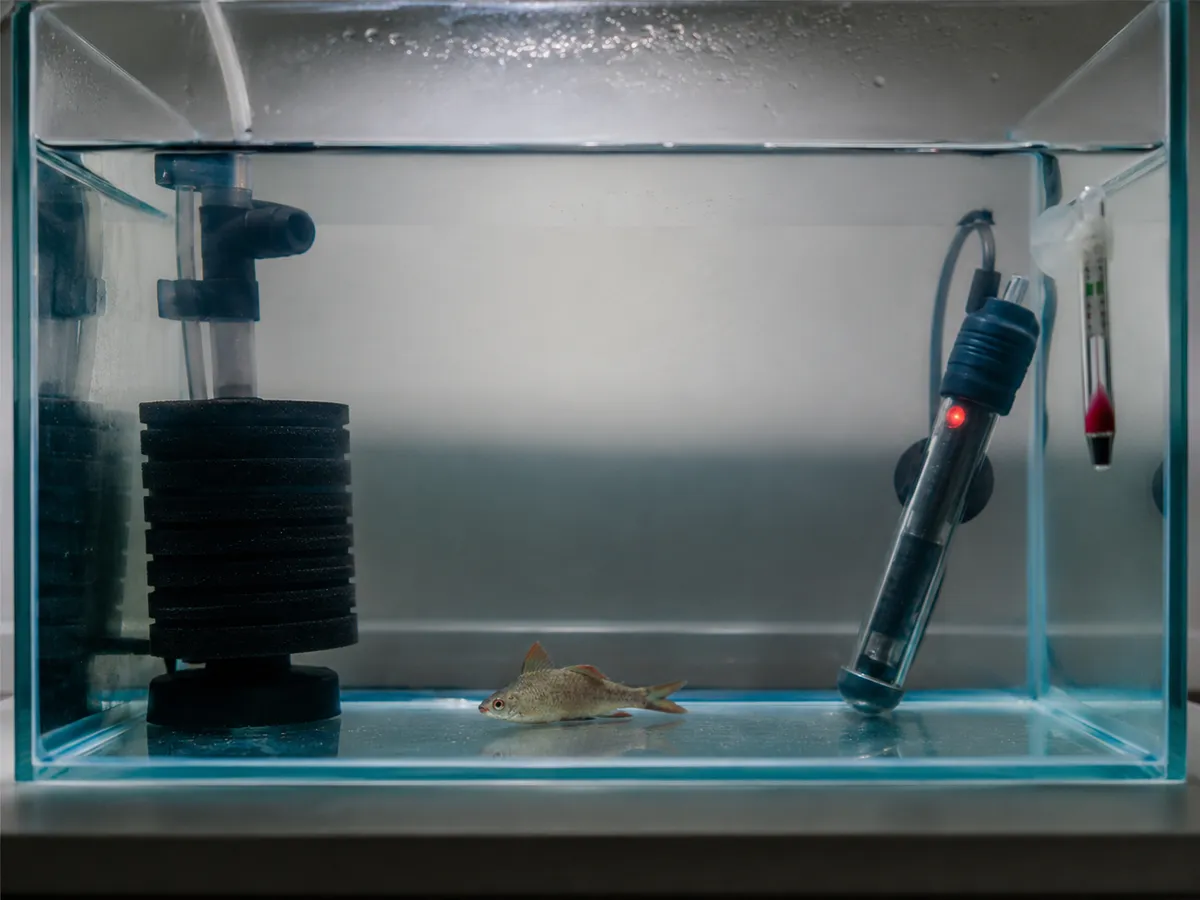
For sick fish, quarantine also prevents medication from damaging plants, shrimp, snails, or the main biofilter. Many medications are not kind to invertebrates. Some can stain silicone or interact with carbon and resins. Treating in a simple hospital setup is often easier and safer than turning the display tank into a chemical guessing game.
The simplest useful setup
A basic quarantine tank can be a bare-bottom glass tank or food-safe plastic tub in the 5–20 gallon range, depending on fish size. Add a heater for tropical fish, a thermometer, a lid, a gentle sponge filter or air stone, and a few hiding places that are easy to disinfect. PVC elbows, ceramic caves, or plastic plants work better than complex driftwood and soil.
Bare bottom is intentional. It lets you see waste, uneaten food, parasites, and abnormal feces. It also makes daily siphoning easier. Do not add deep substrate. Do not add delicate plants you cannot remove if medication is needed.
The biofilter problem
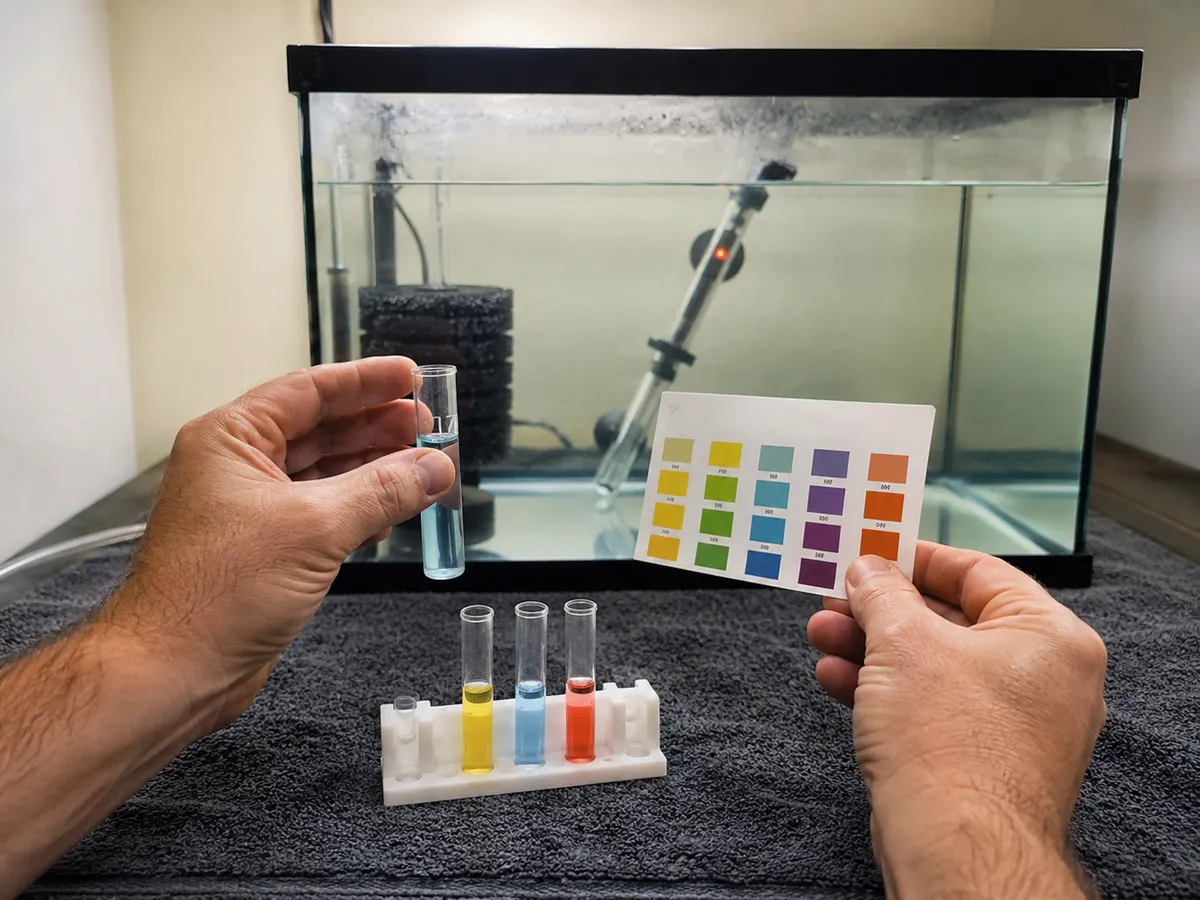
A quarantine tank must handle ammonia. The easiest way is to keep a spare sponge filter or sponge media running in your main tank so it stays seeded. When needed, move that seeded sponge to the quarantine tank. If you do not have seeded media, treat the quarantine tank as an uncycled system: feed very lightly, test ammonia and nitrite daily, use conditioner as needed, and do small controlled water changes.
Never assume a small quarantine tank is safe because it looks clean. A bare tank can accumulate ammonia faster than a planted display. Clear water is not proof of safe water.
New fish quarantine vs sick fish hospital
For new fish, quarantine is mostly observation and recovery. Keep lighting moderate, food light, and water stable. Watch for white spots, clamped fins, flashing, heavy breathing, cloudy eyes, fin damage, bloating, stringy feces, and refusal to eat.
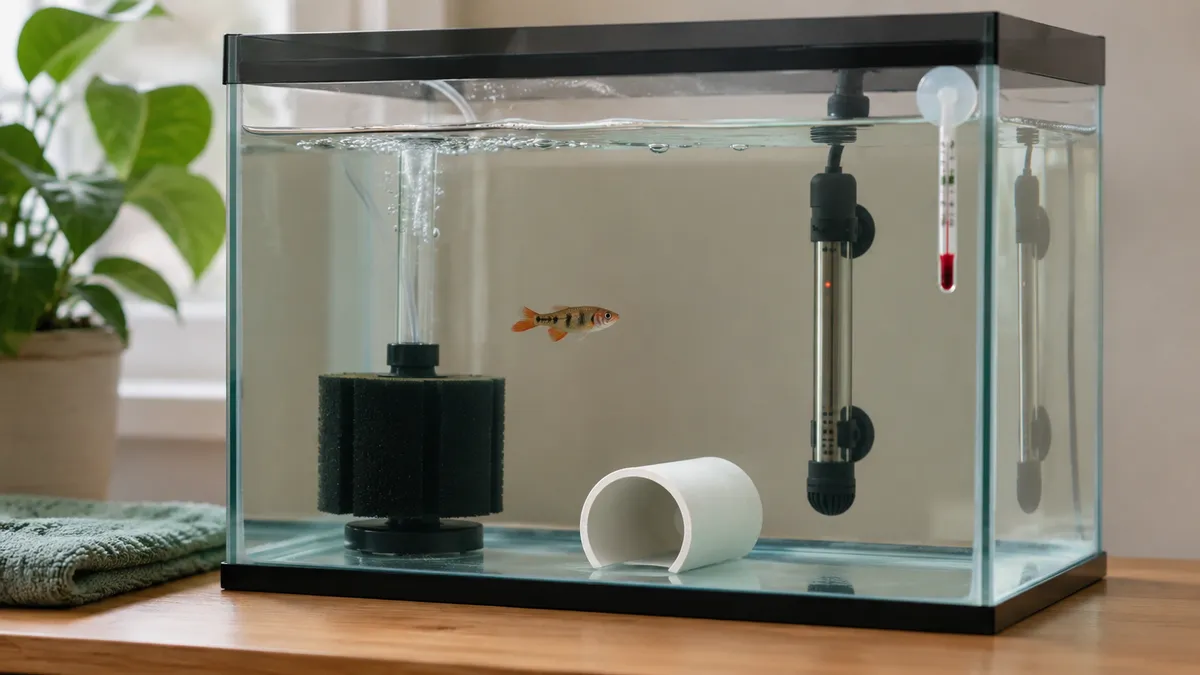
For sick fish, the setup becomes a hospital tank. Keep it simple. Remove carbon if medication requires it. Increase aeration. Do not mix medications casually. Keep a written note of dose, date, water changes, symptoms, and behavior. Beginners often lose track and redose too soon.
How long should quarantine last?
Two weeks is better than nothing, but many diseases need more time to show. A practical home aquarium quarantine window is usually two to four weeks for healthy-looking fish, longer if symptoms appear. The clock should restart after visible symptoms resolve if the fish was treated.
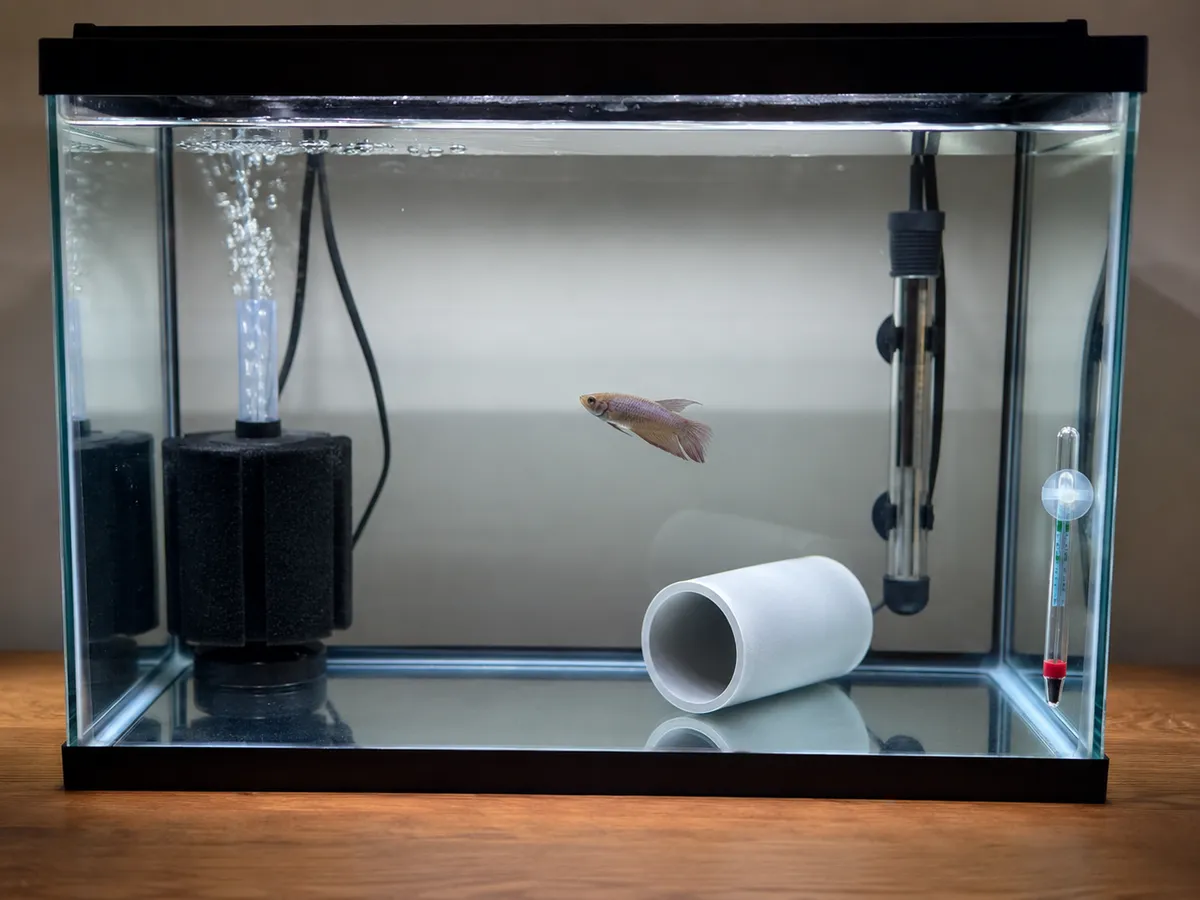
Do not rush quarantine because the fish “looks bored.” A bored fish in quarantine is easier to handle than a whole display tank with ich, fin rot, or parasites.
Water changes without shock
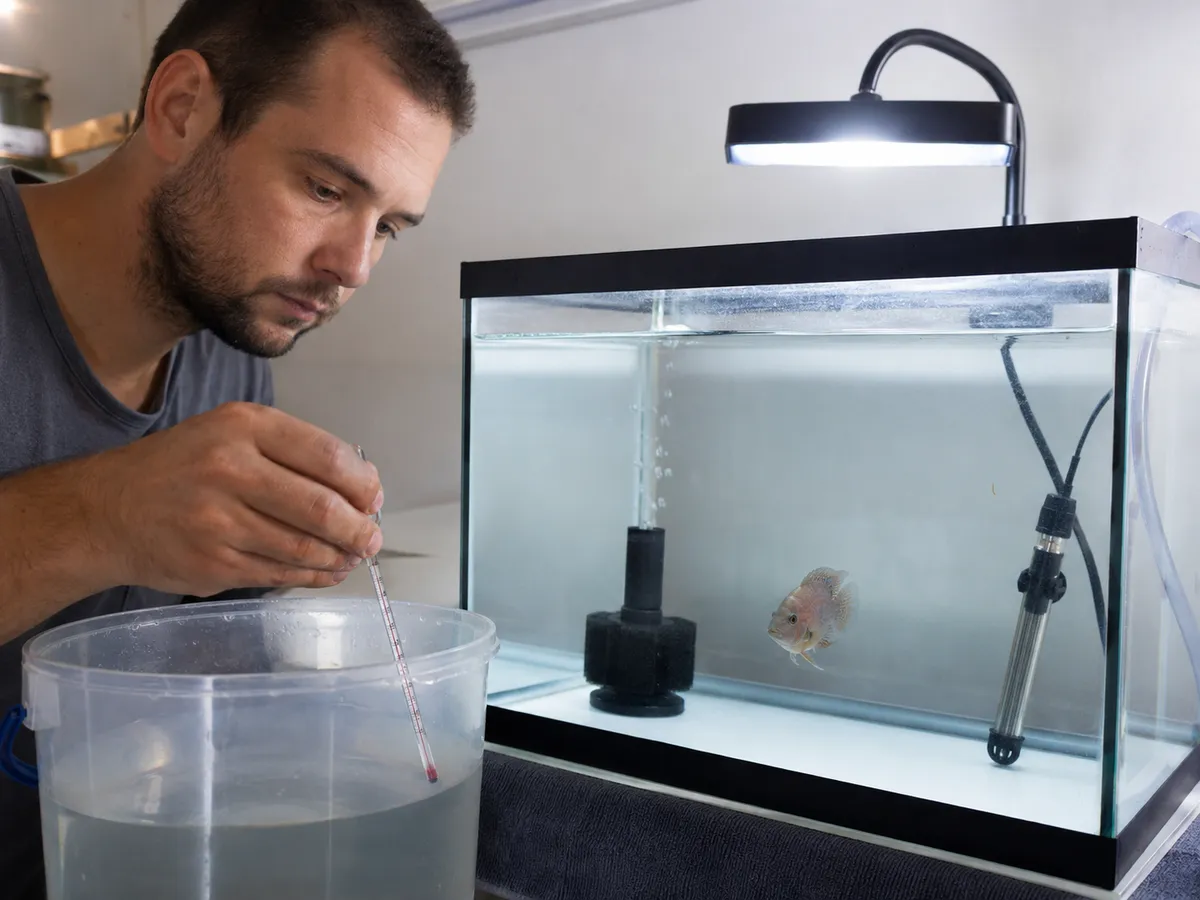
Match temperature closely, preferably within about 1°C for small tropical fish. Use conditioner that handles chlorine and chloramine. Avoid large sudden changes unless ammonia or nitrite requires urgent action. If the fish came from very different water, be cautious with pH, KH, GH, and TDS shifts. Quarantine protects the display tank, but it should not become an osmotic shock chamber.
Equipment safety and cross-contamination
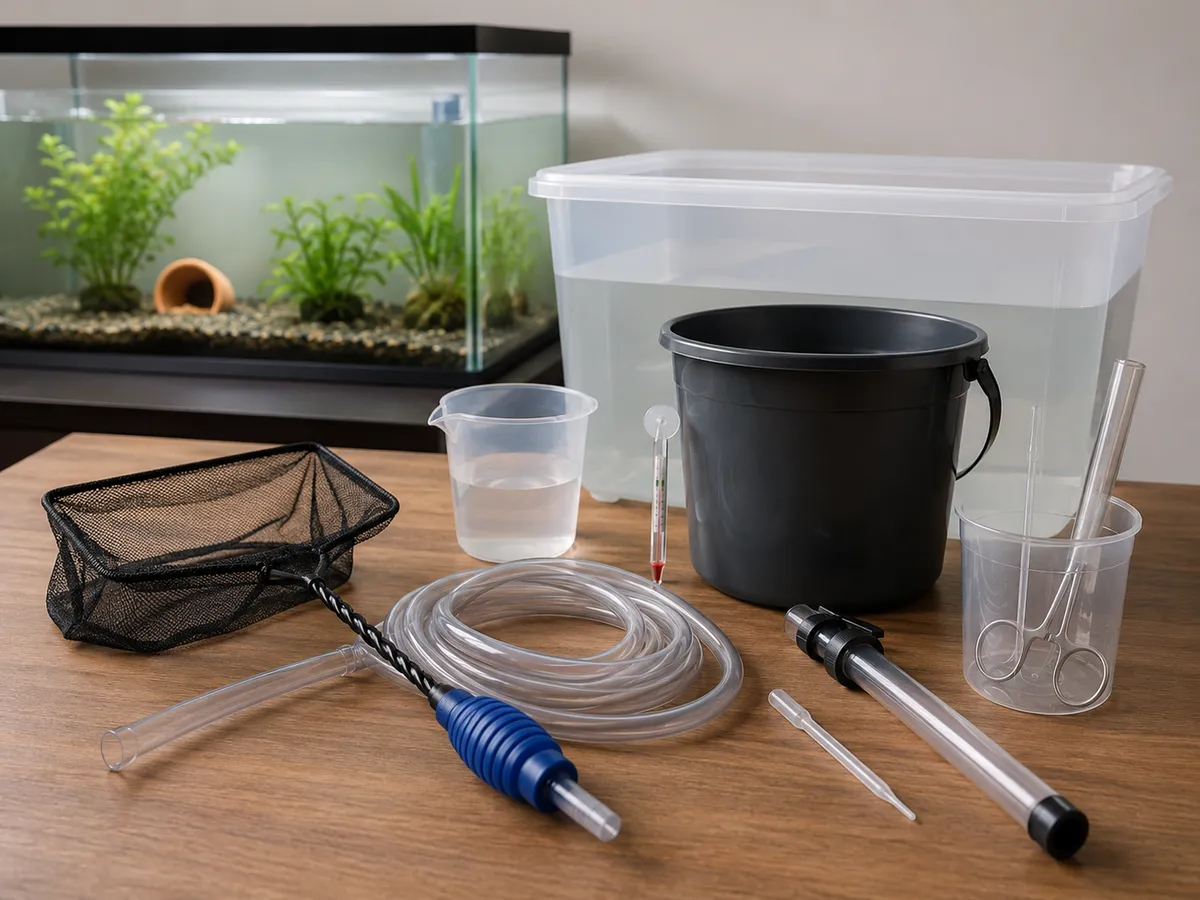
Use separate nets, siphons, buckets, and towels for quarantine if possible. If you must share tools, disinfect and dry them fully between systems. Many pathogens and parasites move with wet nets, tubing, plant clippings, and hands.
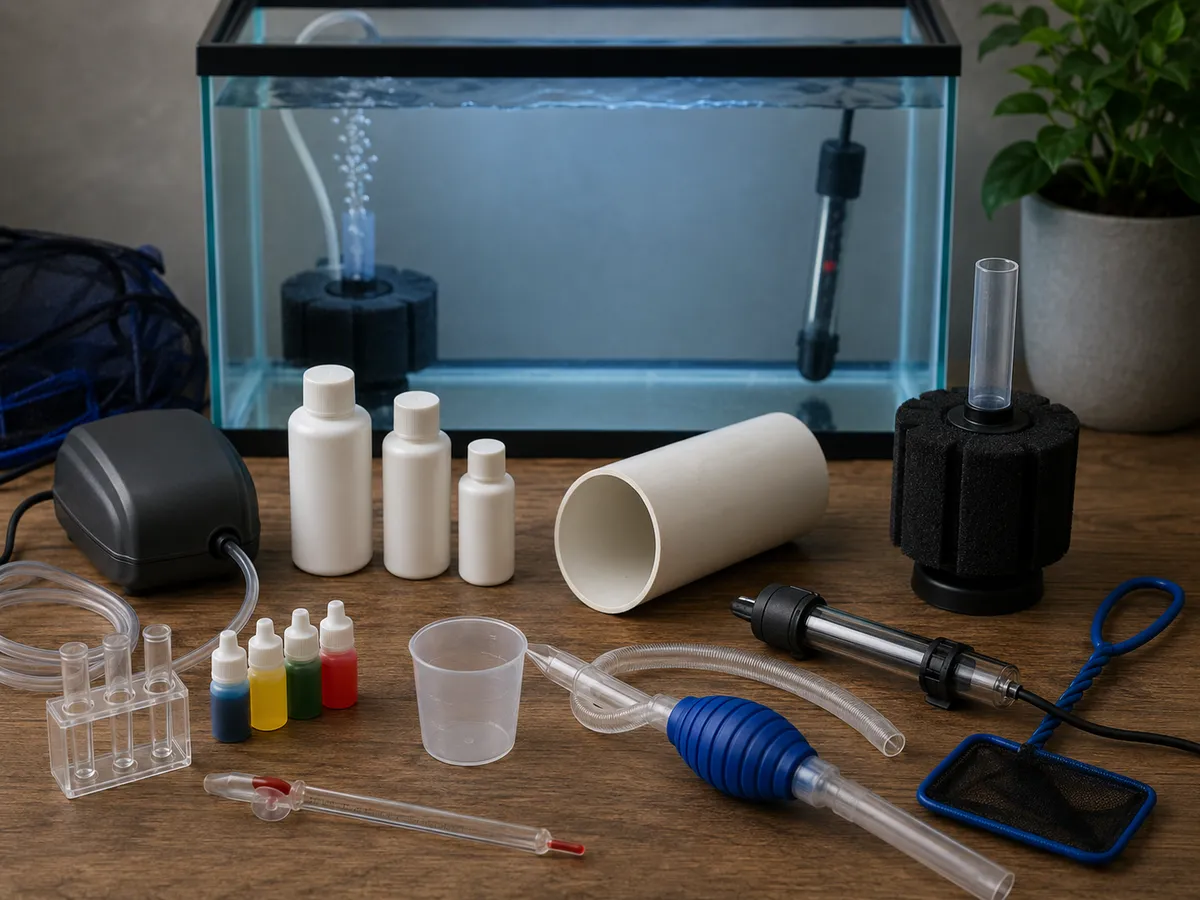
Label quarantine equipment. Store it away from display-tank tools. The point is isolation, not just a smaller tank sitting beside the main one.
Useful tools for a simple quarantine setup
Simple Quarantine Tank Kit
- Bare-bottom glass tank or food-safe plastic tub
- Seeded sponge filter with airline tubing
- USB or battery air pump for backup aeration
- Adjustable heater and separate thermometer
- PVC pipe, ceramic cave, or simple inert hide
- Liquid test kit for ammonia, nitrite, nitrate, and pH
- Dedicated net, siphon, bucket, and towel used only for quarantine
FAQ
Can I quarantine fish in a bucket?
A food-safe tub or bucket can work temporarily if it has enough water volume, aeration, a lid, heat when needed, and daily water testing. For multi-week quarantine, a small tank is easier to observe.
Does a quarantine tank need to be cycled?
It needs ammonia control. Seeded sponge media is best. Without seeded media, test daily, feed lightly, use conditioner as needed, and do controlled water changes.
Should I medicate all new fish in quarantine?
Not automatically. Many beginners do better with observation-first quarantine unless symptoms appear or they are following a proven, species-safe protocol.
Can I use plants in quarantine?
Hardy removable plants can help, but bare-bottom setups are easier to clean and medicate. Avoid soil, deep substrate, and delicate plants in a hospital tank.
How do I move fish from quarantine to the main tank?
Only move healthy, stable fish. Acclimate carefully for temperature and water chemistry differences, and never pour quarantine water into the display tank.
What size quarantine tank do I need?
For most small community fish, a 5- to 10-gallon quarantine tank is enough. Larger fish need more room and stronger oxygen support. The goal is not decoration; it is stable water, easy observation, and enough space that the fish is not crowded during recovery.
How long should new fish stay in quarantine?
Two to four weeks is a practical beginner range. Longer is safer for fragile or expensive fish, or if symptoms appear. The clock should restart after clear symptoms or medication, because the point is to observe stable behavior, appetite, breathing, and waste output.
Can I reuse medication water?
Do not reuse old medication water for new fish. Medication strength changes over time, waste accumulates, and pathogens may remain. Clean the quarantine tank and equipment appropriately between cases, then restart with fresh dechlorinated water and seeded filtration.
Should quarantine tanks have gravel?
Usually no. A bare bottom is easier to inspect, siphon, and keep stable during treatment. Gravel can trap waste, absorb some medications, and make it harder to see uneaten food or abnormal feces.
What should I do if ammonia rises in quarantine?
Increase aeration, use conditioner according to the label, and perform small temperature-matched water changes. Protect the sponge filter if it is seeded. Do not respond by replacing all media or scrubbing everything sterile while fish are already stressed.
Related Guides
- How to Acclimate New Fish
- Aquarium Fish Ich
- Fish Flashing and Scratching
- Best Aquarium Air Pumps
- Best Aquarium Test Kits
Author Box
Written by the Healthy Aquariums editorial team for beginner fishkeepers who want practical, water-first advice. Our guidance prioritizes water testing, stable husbandry, careful observation, and avoiding treatment decisions that can damage the biofilter.
Editorial Note
This guide is educational fishkeeping content, not a veterinary diagnosis. If fish are dying quickly, showing severe lesions, or failing to respond to basic water correction, contact an aquatic veterinarian or experienced local fish professional. Always read medication labels and never mix medications unless the manufacturer or a qualified professional specifically says it is safe.
References
- University of Florida IFAS. “Fish Health Management Considerations in Recirculating Aquaculture Systems.” https://ask.ifas.ufl.edu/publication/FA101
- Merck Veterinary Manual. “Environmental Diseases of Aquatic Animals in Aquatic Systems.” https://www.merckvetmanual.com/exotic-and-laboratory-animals/aquatic-systems/environmental-diseases-of-aquatic-animals-in-aquatic-systems