New fish often die in the first week, and the cause is rarely “bad luck.” Transport stress, oxygen depletion, ammonia in the bag, temperature swings, pH differences, and rushed introduction can all stack together. Acclimation is not a ritual. It is controlled shock reduction.
Before the bag opens
Turn off harsh tank lights or dim them. Check the display or quarantine tank temperature. Make sure the tank is cycled and has zero ammonia and zero nitrite. If the receiving tank is unstable, acclimation will not save the fish.
Quarantine is strongly recommended. It protects the display tank and gives new fish time to recover. If you skip quarantine, you are accepting disease risk for the entire aquarium.
Temperature acclimation
Float the sealed bag long enough to reduce temperature difference, usually 15–20 minutes for small bags. Do not leave fish in a sealed bag for hours. Bag water can accumulate ammonia and carbon dioxide. Once opened, pH can shift and ammonia toxicity can change.
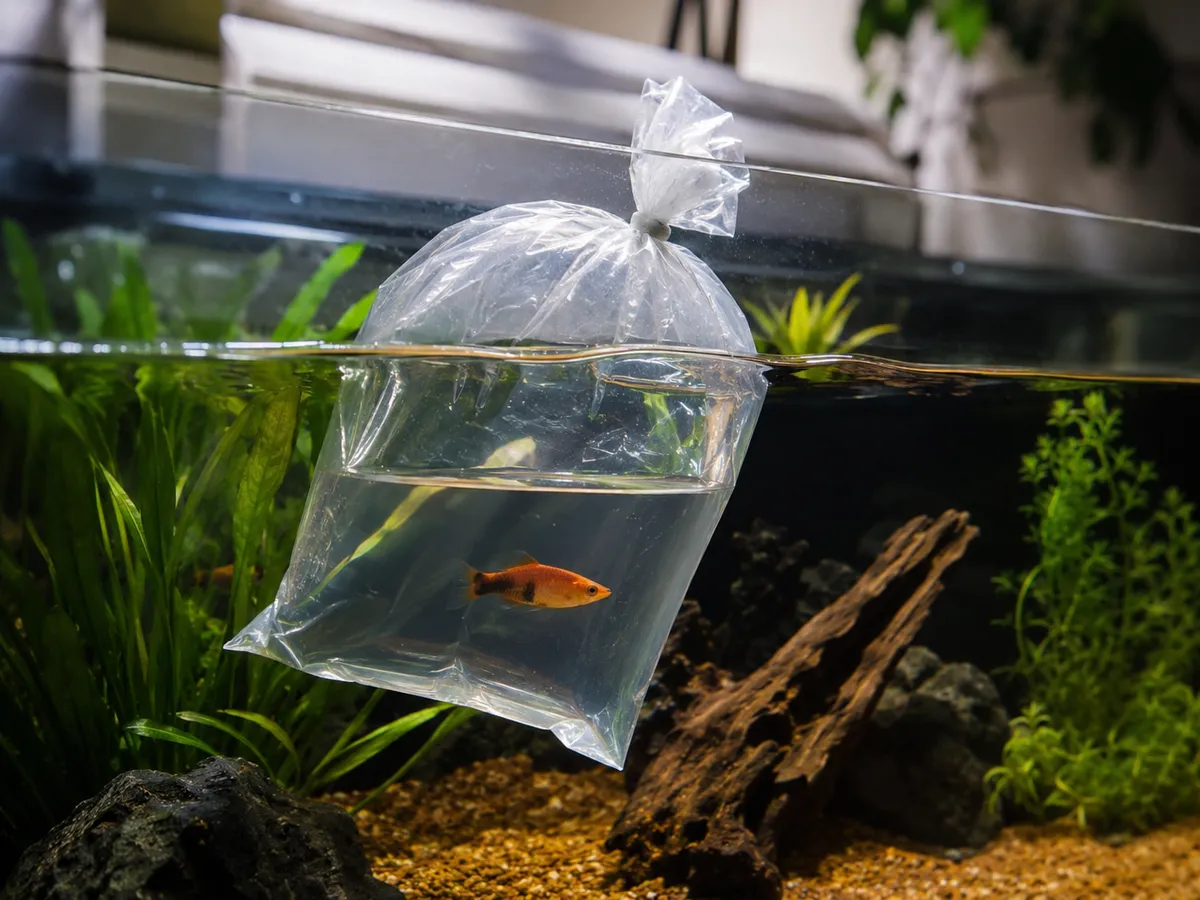
For small tropical fish, aim for close temperature matching. A sudden difference of several degrees can stress fish, especially after transport.
Why drip acclimation is not always safer
Drip acclimation can help when water chemistry is very different, but it can also keep fish sitting in poor bag water too long. If bag water is dirty, oxygen-poor, or ammonia-loaded, a long drip may extend exposure.
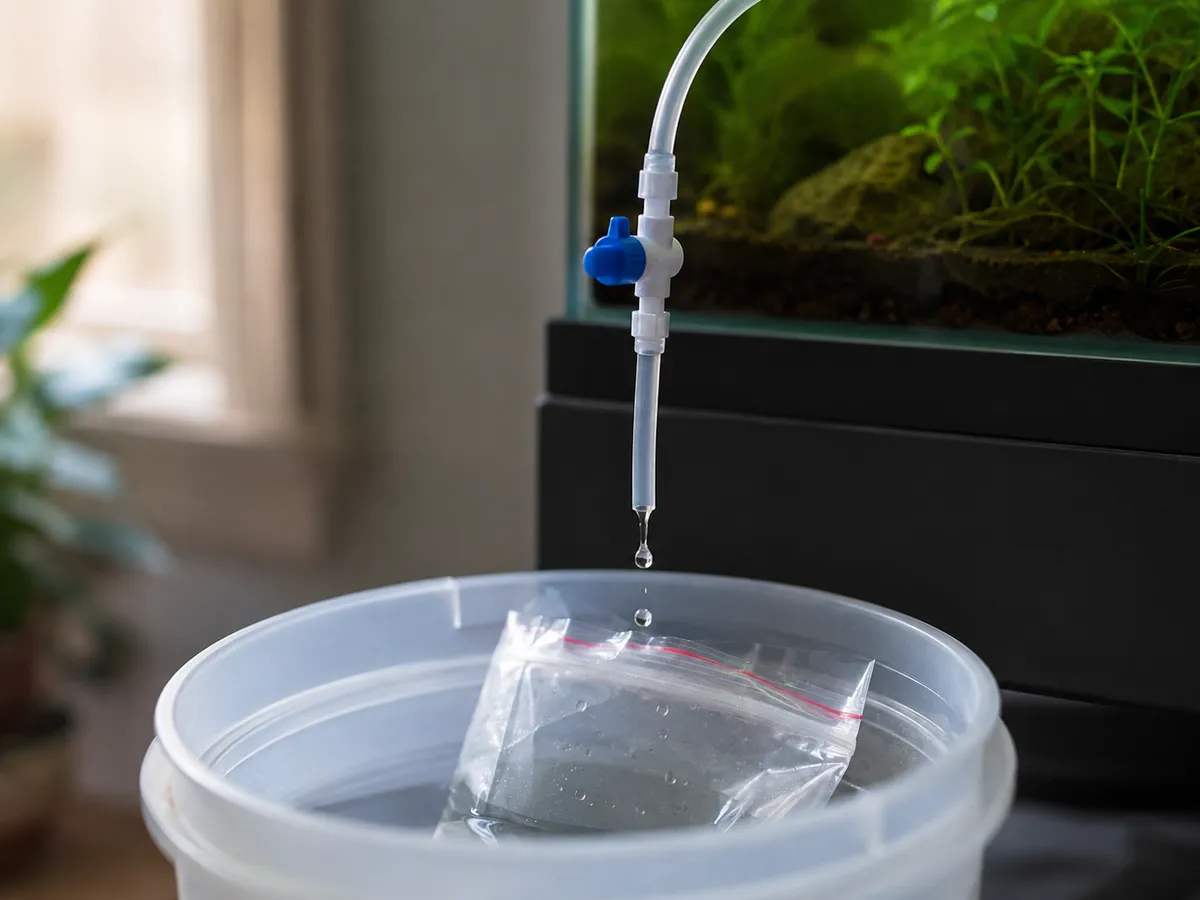
The better question is: how different are the waters? Test pH and, when relevant, GH/KH/TDS. For hardy fish from similar water, temperature matching and a short controlled transfer may be enough. For sensitive fish or large chemistry differences, slower acclimation in a clean container may be useful.
Do not pour store water into your tank
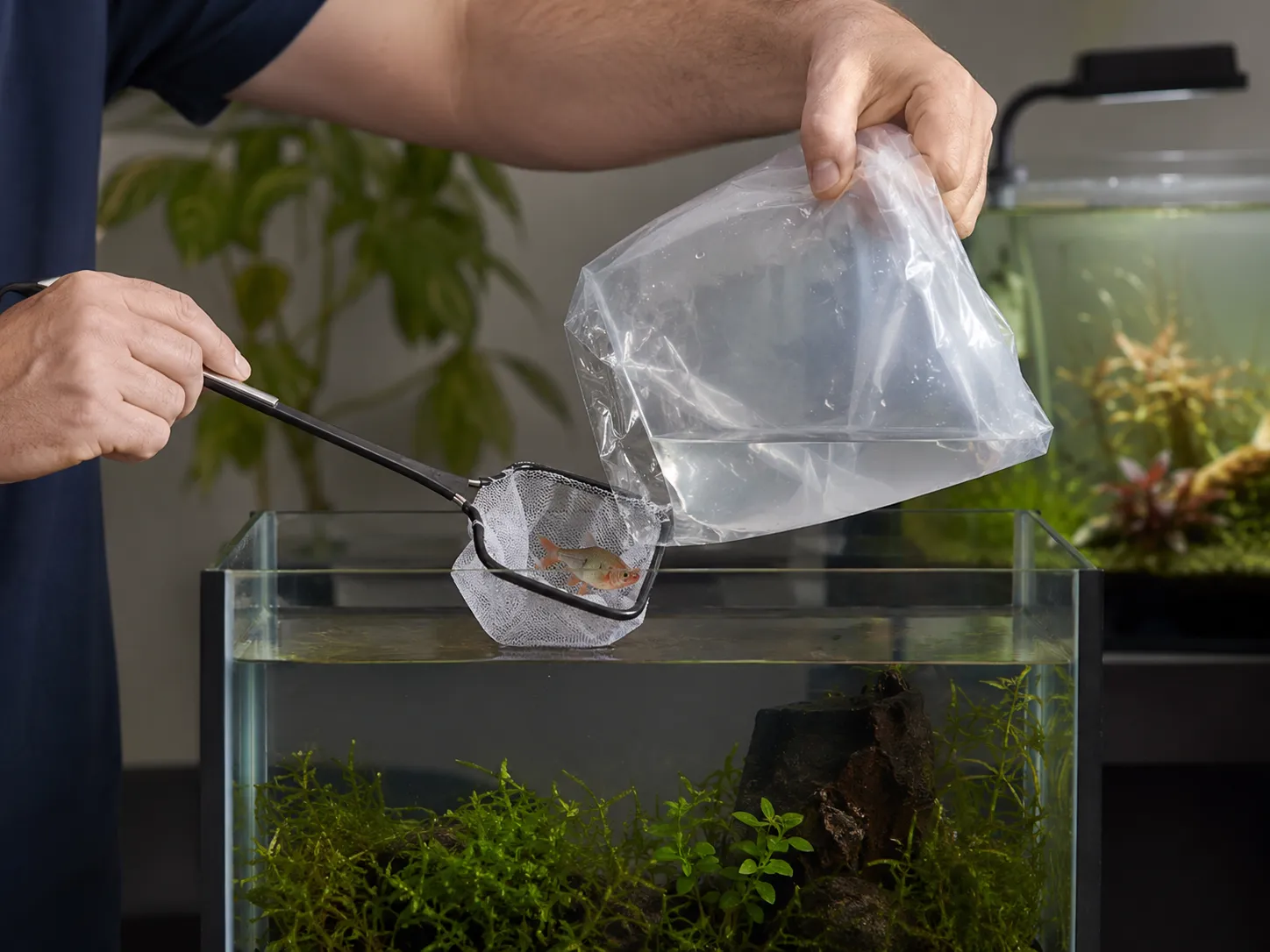
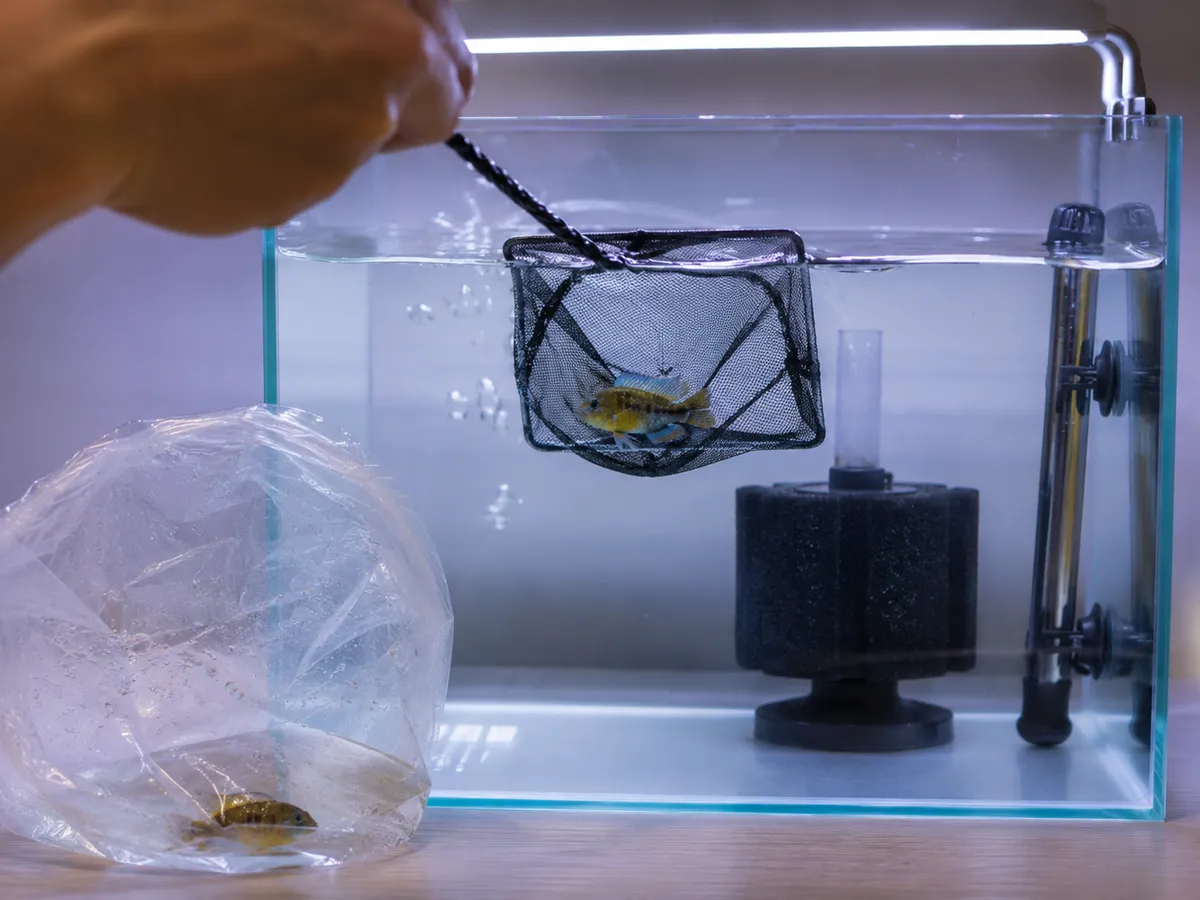
Net or cup the fish out and discard transport water. Store water can contain parasites, medication residues, pathogens, or high ammonia. Avoid mixing it into the quarantine or display tank.
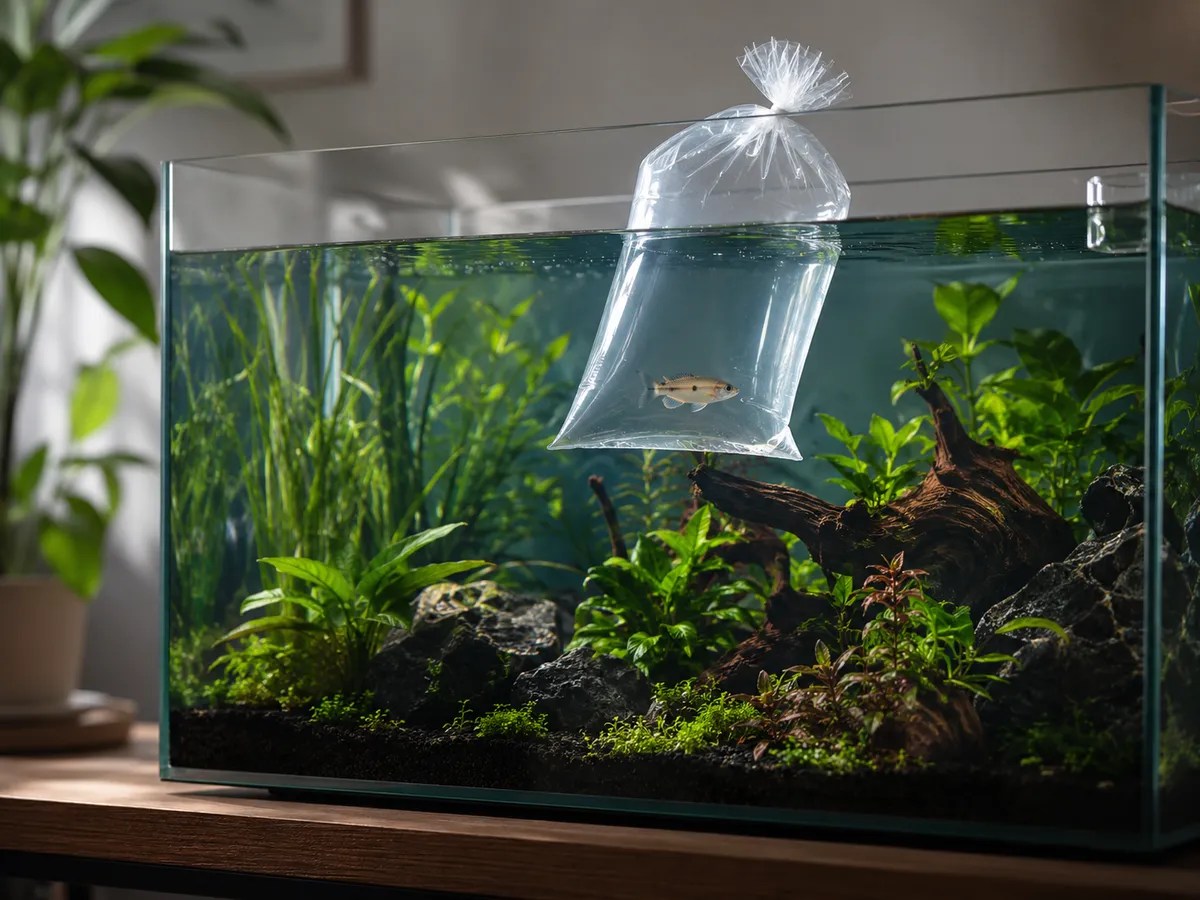
Use a soft net or container transfer. Cover the container; stressed fish jump.
pH and ammonia inversion risk
Bag water can contain ammonia in a less toxic ionized form when pH is lower. When the bag is opened and CO2 escapes, pH can rise, shifting more ammonia toward toxic free ammonia. This is why endless open-bag acclimation can become dangerous in poor shipping water.
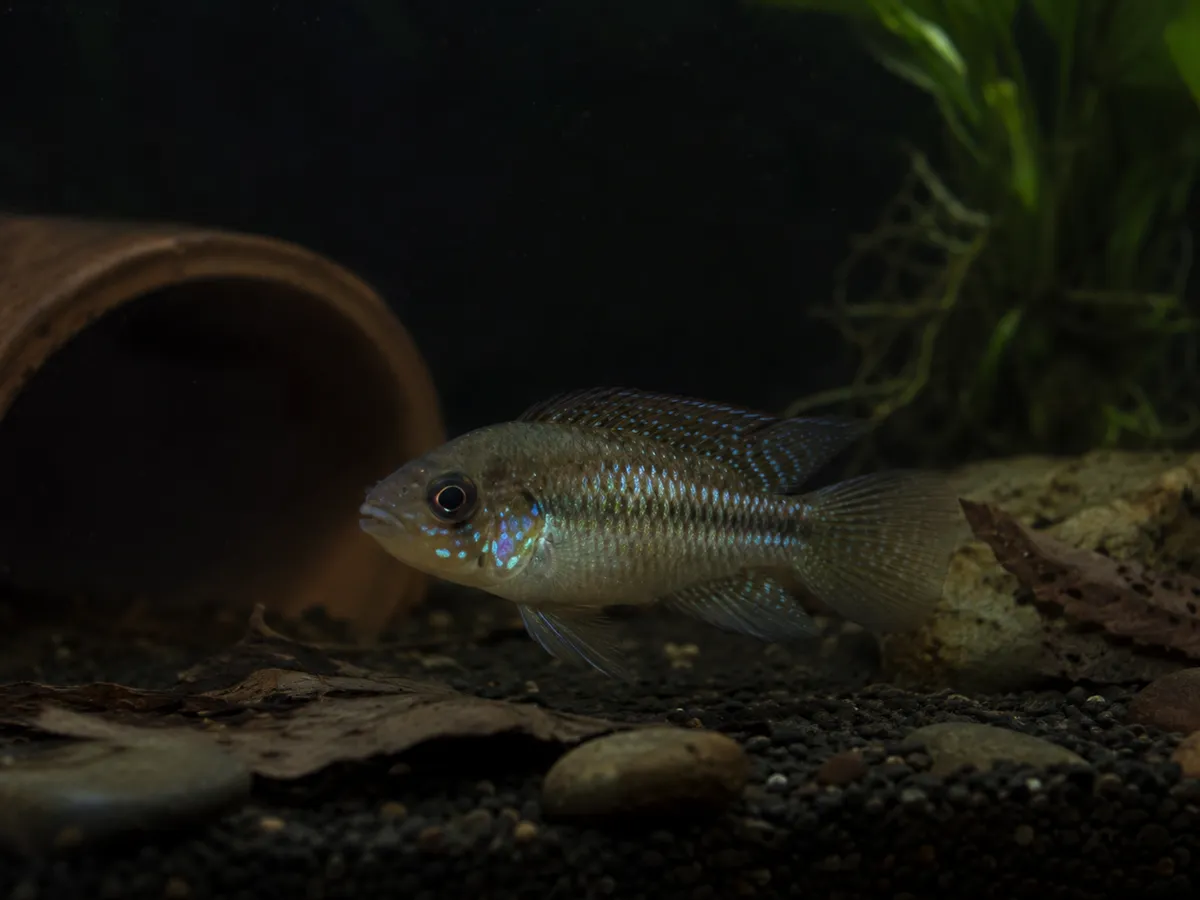
If shipping was long, prioritize getting the fish into clean, temperature-matched quarantine water instead of slowly mixing large amounts of polluted bag water.
After introduction
Do not feed immediately. Give fish time to breathe, hide, and orient. Keep lights low. Watch for gasping, rolling, flashing, clamped fins, or lying on the bottom. Test water after adding new fish, especially in small tanks.
Quarantine changes the acclimation decision
Acclimating into quarantine is safer than acclimating straight into the display tank. In quarantine, you can keep lights low, observe feeding, test water daily, and avoid exposing established fish to store pathogens. A new fish that looks fine on day one may show ich, flashing, clamped fins, or bacterial issues later.
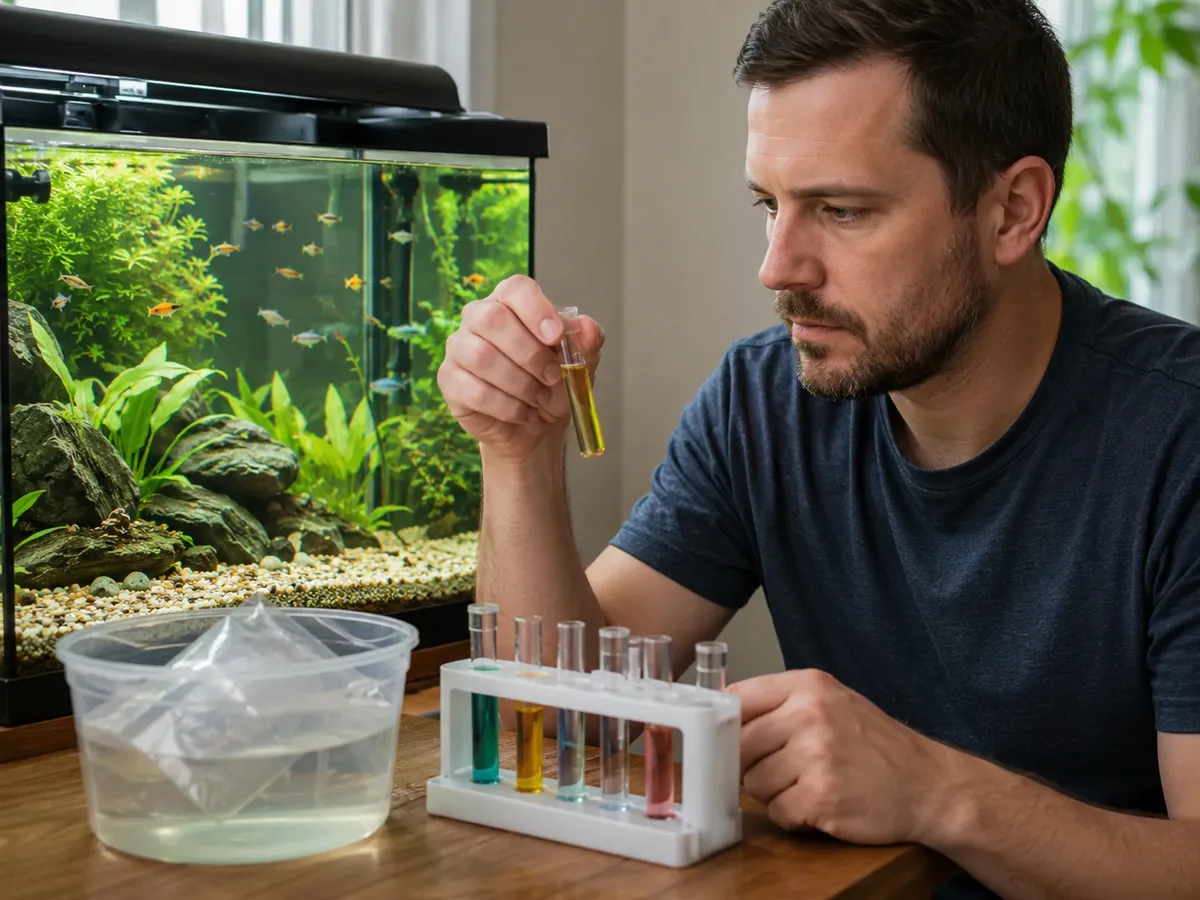
Use quarantine water that matches the display tank reasonably well if the fish will eventually move there. That way the final transfer is not another large chemistry shock.
Sensitive fish need slower thinking
Shrimp, wild-type soft-water fish, certain catfish, and fish shipped long distances can be more sensitive to TDS and pH shifts. For these animals, knowing the difference between bag water and tank water matters. Slow acclimation may help when the receiving water is very different, but polluted bag water changes the risk calculation. When in doubt, prioritize clean oxygenated quarantine water and small measured transitions.
The first 24 hours
Do not judge success only by whether the fish swims away. Watch breathing, balance, color, hiding, flashing, and schooling behavior. Keep food light or skip the first feeding if the fish is stressed. Test ammonia after adding fish to a small quarantine tank. New fish often fail because the first day looks normal and the second day reveals the stress debt.
Useful tools for safe fish acclimation
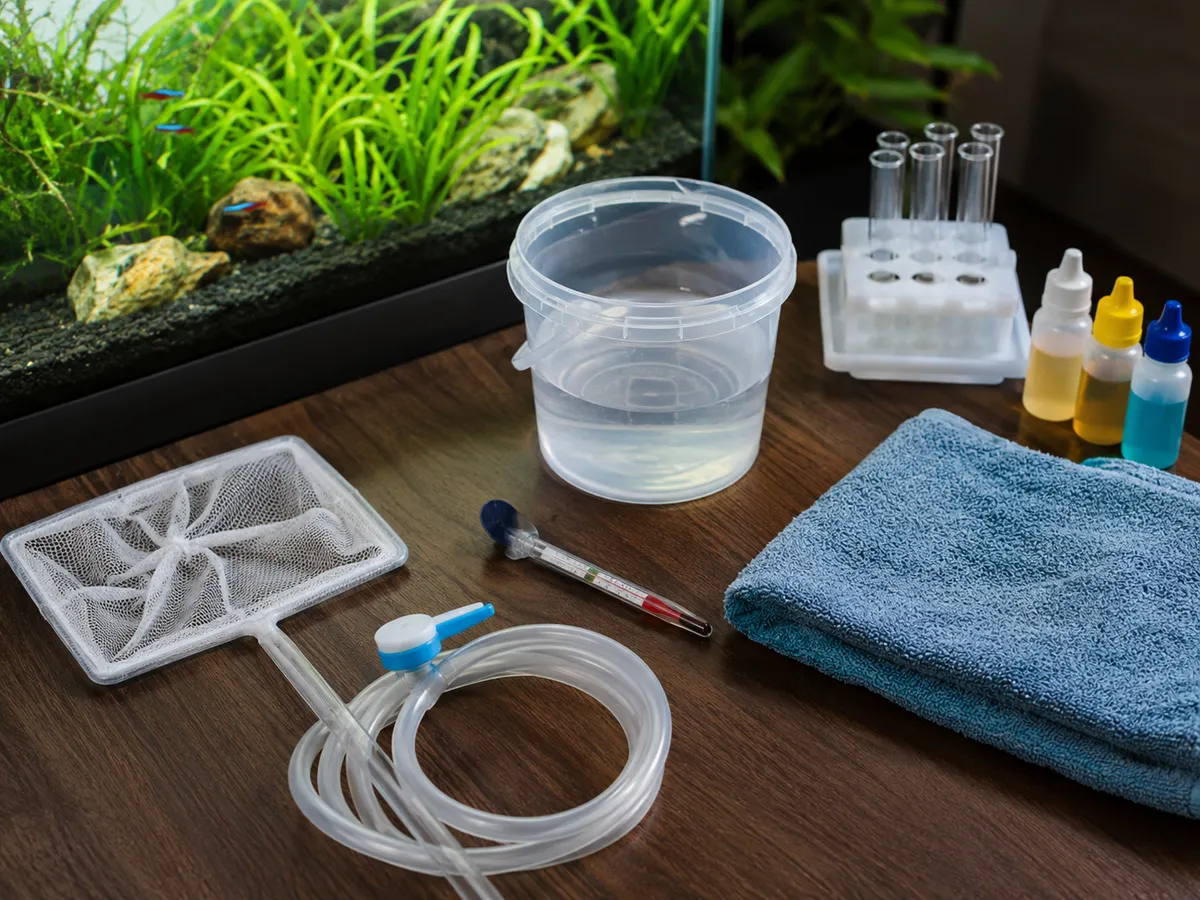
New Fish Acclimation Kit
- Quarantine tank or clean observation tub
- Thermometer for bag and tank temperature checks
- Water conditioner for prepared replacement water
- Liquid test kit for pH, ammonia, nitrite, and nitrate
- Airline tubing with a control valve for drip acclimation when needed
- Soft fish net for transfer without store water
- Towel, bucket, and dimmable light or room-light control
FAQ
Should I drip acclimate every new fish?
Not always. Drip acclimation helps when chemistry differs, but long exposure to bad bag water can be harmful.
How long should I float the bag?
Usually about 15–20 minutes is enough for basic temperature matching, depending on bag size and temperature difference.
Can I add store water to my aquarium?
Avoid it. Store water can carry pathogens, ammonia, medication residues, or parasites.
Should new fish go into quarantine first?
Yes when possible. Quarantine is one of the best disease-prevention habits in freshwater aquariums.
Why did my fish die after acclimation?
Possible causes include ammonia/nitrite in the receiving tank, transport stress, temperature shock, pH/TDS shift, oxygen problems, or pre-existing disease.
How long should acclimation take?
For many hardy freshwater fish, temperature floating plus a careful transfer can be enough. Sensitive fish, shrimp, or water with very different pH/TDS may need slower acclimation. Longer is not always better if the bag contains ammonia-rich shipping water.
Why can opening the bag make ammonia more dangerous?
During shipping, carbon dioxide can lower pH, keeping more ammonia in the less toxic ammonium form. Once the bag is opened and CO2 escapes, pH can rise and make ammonia more toxic. This is why long open-bag acclimation can be risky.
Should I feed new fish the first day?
Usually wait until the fish settles. Dim lights, observe breathing and posture, and offer a very small meal later or the next day. Remove uneaten food quickly so a stressed new fish does not create a water-quality problem.
What if the store water pH is very different?
Use quarantine when possible and avoid sudden large chemistry shifts. Drip acclimation may help for sensitive fish, but do not keep fish trapped for hours in dirty bag water. Stability, clean water, and observation matter more than chasing an exact pH number.
How do I know acclimation went wrong?
Warning signs include gasping, lying on the bottom, darting, clamped fins, rolling, jumping, or refusing to leave the corner after conditions should be calm. Test water, dim lights, increase gentle aeration, and avoid adding medication before diagnosis.
Related Guides
- Quarantine Tank Setup
- 10 Gallon Fish Tank Setup
- Ammonia, Nitrite, and Nitrate
- Clamped Fins in Aquarium Fish
- Fish Flashing and Scratching
Author Box
Written by the Healthy Aquariums editorial team for beginner fishkeepers who want practical, water-first advice. Our guidance prioritizes water testing, stable husbandry, careful observation, and avoiding treatment decisions that can damage the biofilter.
Editorial Note
This guide is educational fishkeeping content, not a veterinary diagnosis. If fish are dying quickly, showing severe lesions, or failing to respond to basic water correction, contact an aquatic veterinarian or experienced local fish professional. Always read medication labels and never mix medications unless the manufacturer or a qualified professional specifically says it is safe.
References
- University of Florida IFAS. “On-Farm Transport of Ornamental Fish.” https://ask.ifas.ufl.edu/publication/FA119
- University of Florida IFAS. “Fish Health Management Considerations in Recirculating Aquaculture Systems.” https://ask.ifas.ufl.edu/publication/FA101
- Merck Veterinary Manual. “Environmental Diseases of Aquatic Animals in Aquatic Systems.” https://www.merckvetmanual.com/exotic-and-laboratory-animals/aquatic-systems/environmental-diseases-of-aquatic-animals-in-aquatic-systems