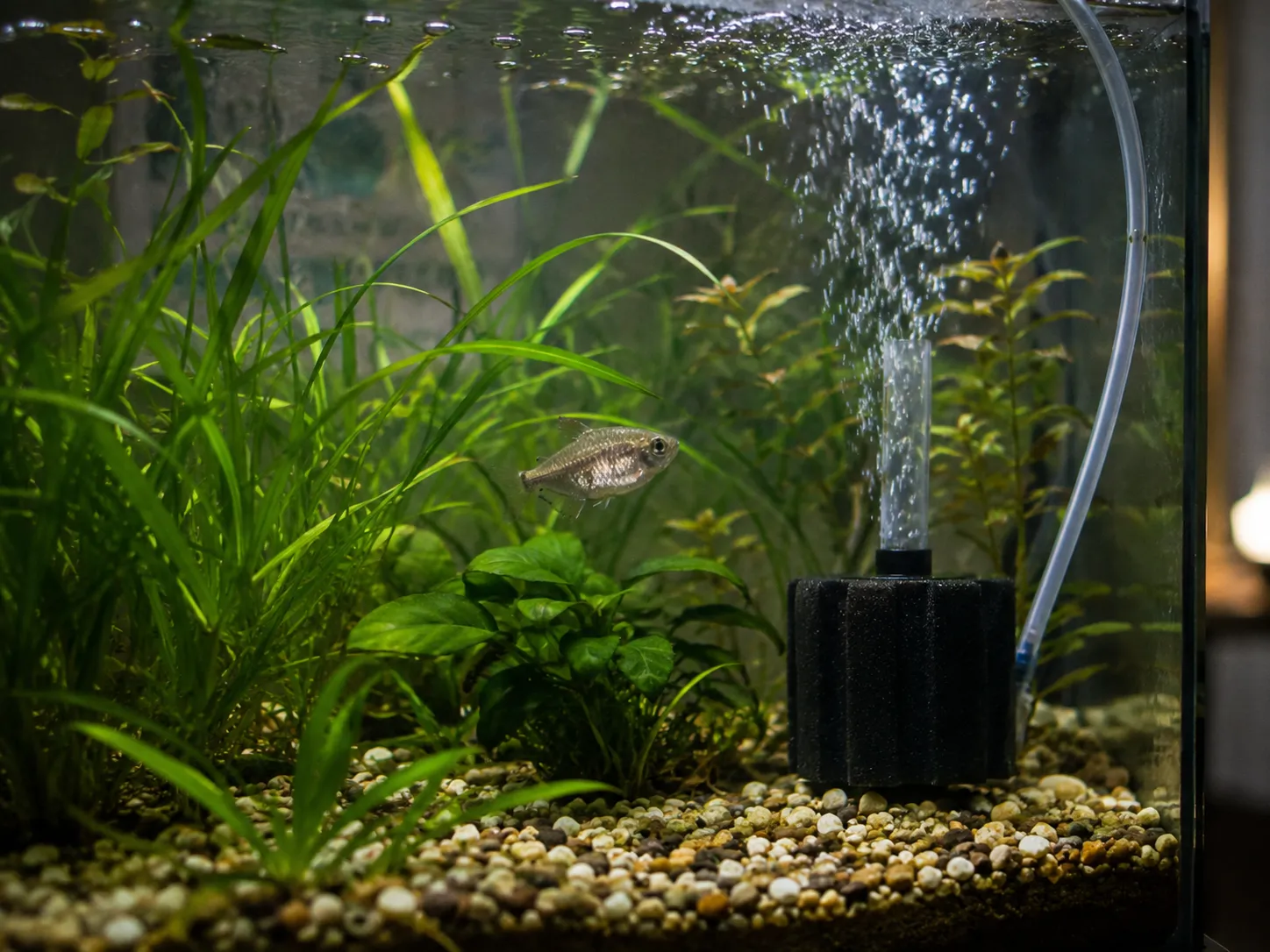
Clamped fins are not a diagnosis. They are a warning signal. A fish holding its fins tight against the body may be cold, stressed, bullied, poisoned by ammonia or nitrite, irritated by parasites, shocked by a water change, or fighting early infection. The mistake is treating the symptom as the disease.
What clamped fins look like
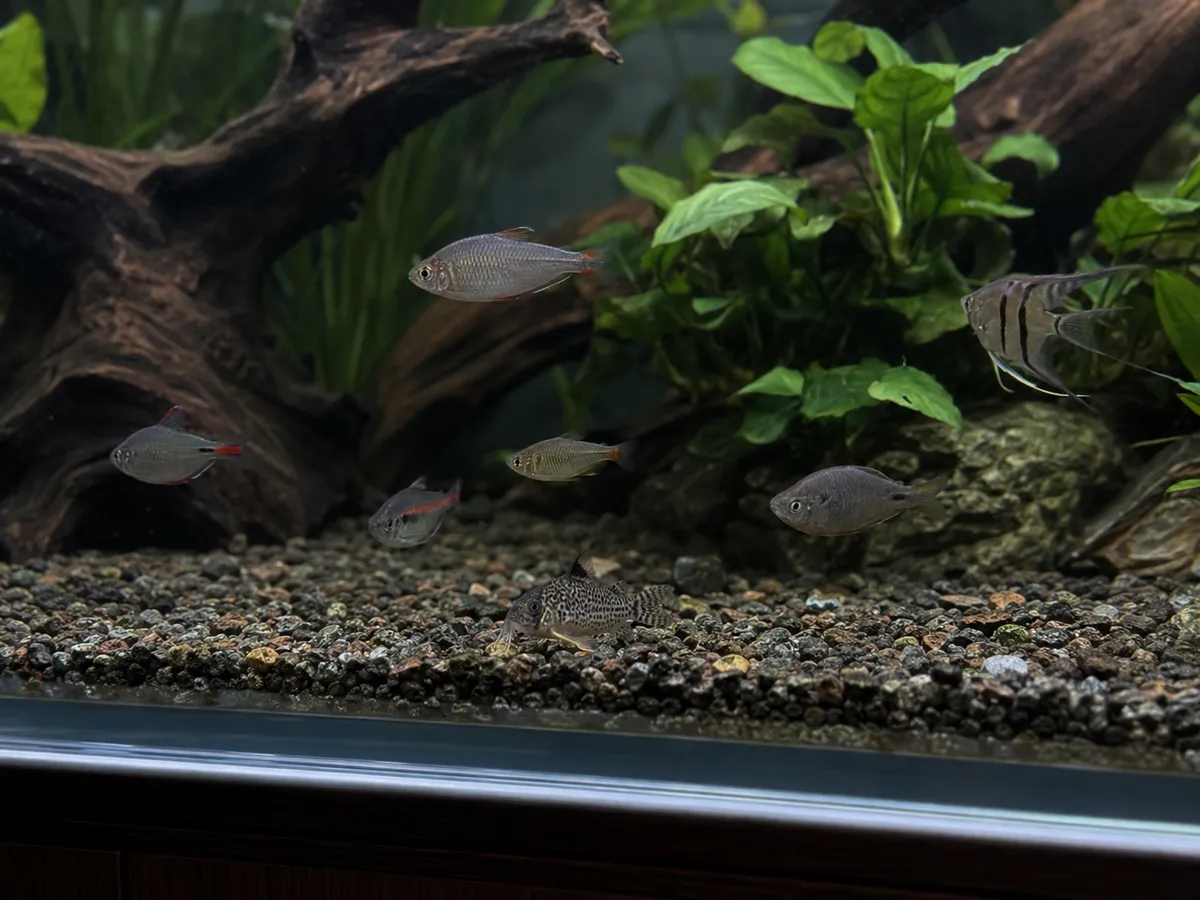
Healthy fish usually hold fins open and balanced, even when resting. Clamped fins look tight, folded, pinned, or stiff. The fish may hover, hide, breathe faster, flash, stop eating, sit near the bottom, or isolate from the group.
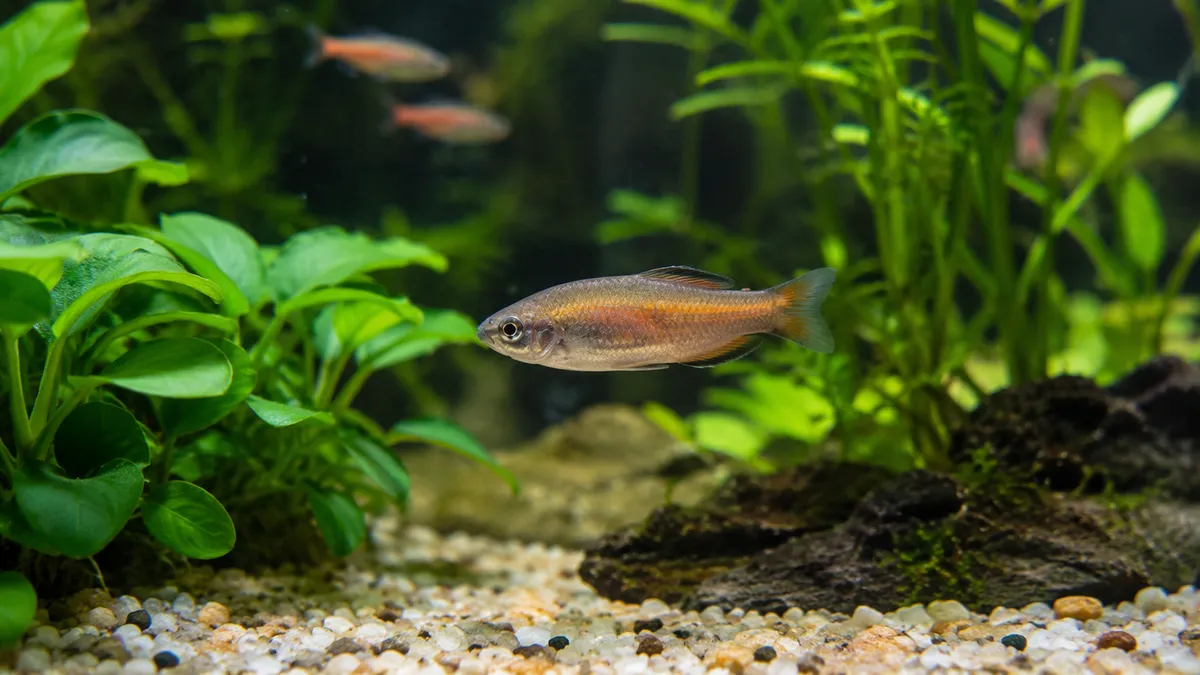
The pattern matters. One fish with clamped fins may be bullied or sick. Many fish clamping at the same time often points to water, oxygen, temperature, or chemical exposure.
Start with the tank, not the medicine cabinet
Test ammonia, nitrite, nitrate, pH, and temperature. Check whether the heater is working, whether the filter is flowing normally, and whether conditioner was used during the last water change. If clamping began after maintenance, suspect temperature mismatch, chlorine/chloramine, pH/TDS shift, or stirred waste.
Correct water problems gently. A sudden 80% water change in an old dirty tank can create osmotic and pH shock. If the tank is neglected, do smaller staged changes and protect the filter media.
Temperature and oxygen
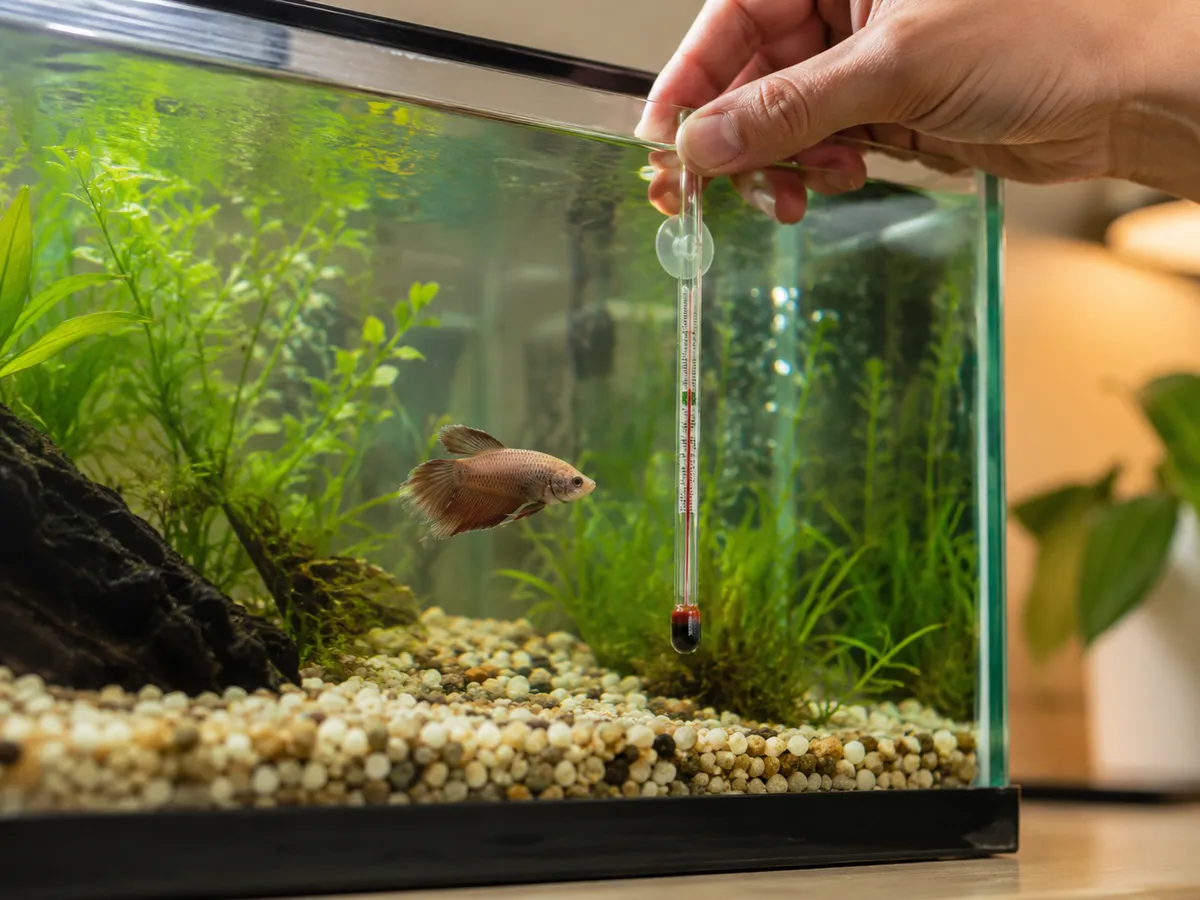
Cold fish often clamp fins because metabolism slows and stress rises. Overheated fish can also clamp because oxygen becomes limiting. Check with a thermometer, not the heater dial. Add surface movement if fish breathe heavily or gather near the top.
Social stress
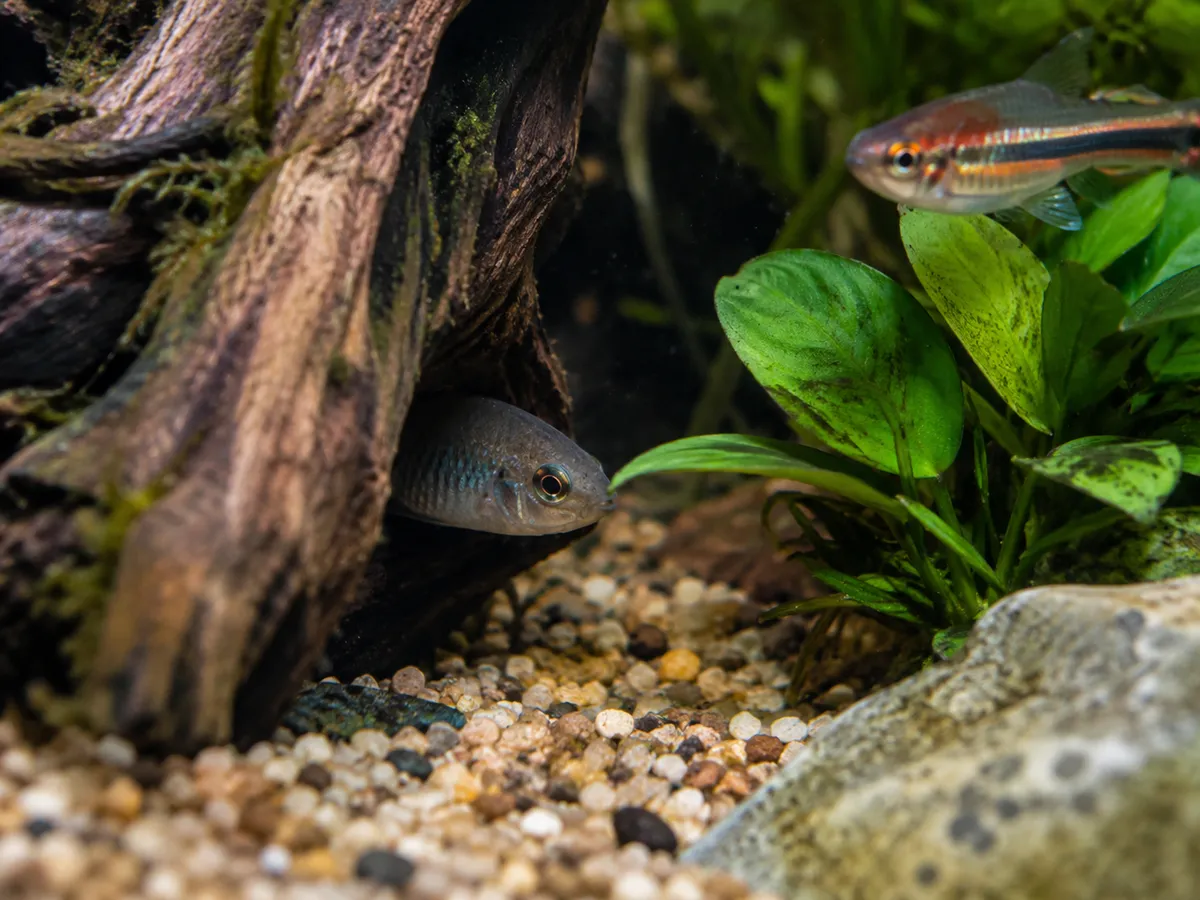
Aggressive tank mates, fin nipping, overcrowding, and not enough hiding space can cause clamped fins. Watch the tank quietly from a distance. The bully is not always obvious when you stand close.
Disease clues
Clamped fins combined with white spots, gold dust, fin rot, cloudy eyes, bloating, flashing, stringy feces, or open sores needs closer investigation. Quarantine can be useful if one fish is affected and still catchable without destroying the display tank.

Reading clamped fins by species and posture
Different fish carry fins differently. A betta resting under a leaf may hold fins less dramatically than when displaying. A livebearer hovering with tight fins and a shimmying body is more concerning. A schooling fish isolated in a corner with pinned fins is different from a whole group calmly resting at night.
Look for change from normal, not just a still photograph. If the fish usually explores but now sits with fins tight, that is a signal. If the fish clamps after lights snap on suddenly, after a chase, or after a water change, the trigger may be environmental or stress-based rather than infectious.
Lighting, sleep, and stress
Fish need a real dark period. Constant light, overnight blue moonlight, or sudden bright LED activation can keep fish in a stress state. If clamped fins appear mostly after lights come on, consider ramp-up lighting or turning on room lights ten minutes before a timer switches on a non-dimmable aquarium light.
The one-fish vs whole-tank rule
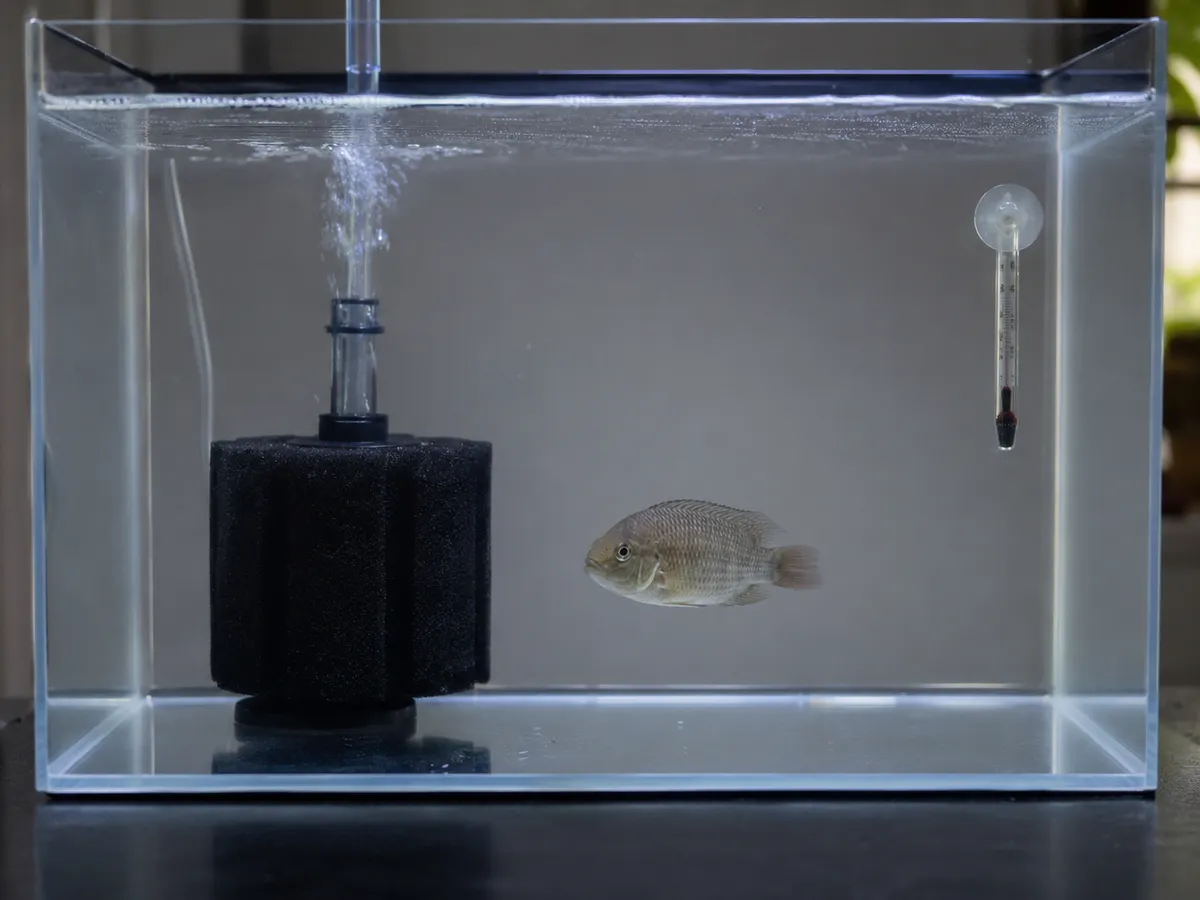
If one fish clamps fins while every other fish behaves normally, look closely for bullying, injury, individual illness, or a species-specific stressor. If most fish clamp fins at the same time, assume the shared environment is involved until testing proves otherwise. Shared water problems move faster than individual disease and can kill fish before a visible infection appears.
Do not reward stress with overfeeding
Beginners often feed extra when fish look weak. That can backfire. Extra food becomes waste, waste becomes ammonia pressure, and ammonia makes stressed fish clamp harder. Feed lightly until behavior improves and remove leftovers quickly.
Recovery signs
Improvement usually looks like fins opening more often, normal appetite returning, fish rejoining the group, and breathing slowing. Do not judge recovery only by color. Many fish darken or pale temporarily under stress, but fin posture and breathing often tell a clearer story.
Small tanks make the signal louder
In small aquariums, temperature, ammonia, oxygen, and pH can shift faster than they do in larger systems. A brief mistake can show up as clamped fins within hours. This is why nano tanks need boring consistency: measured feeding, gentle filtration, stable heat, and water changes that match temperature instead of shocking the fish.
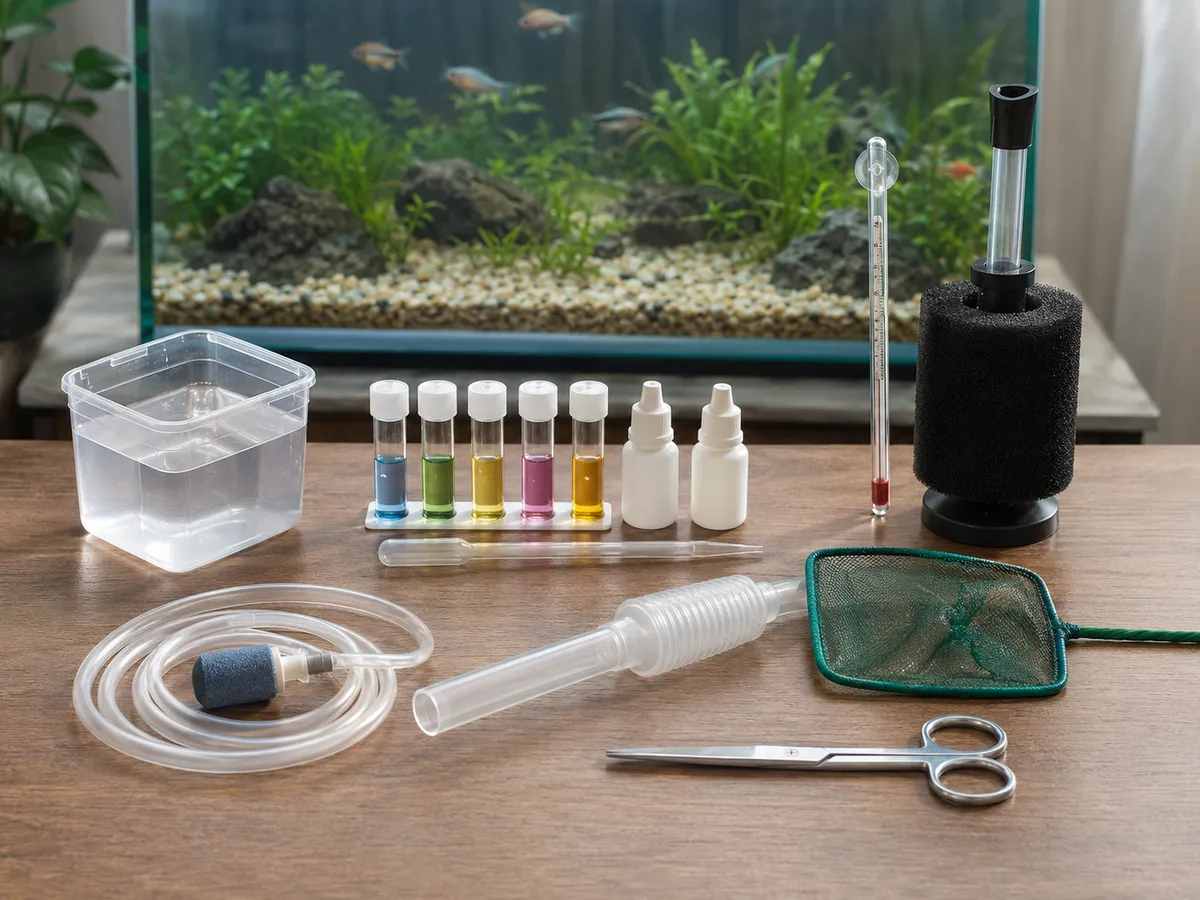
Useful tools for checking clamped fins
Clamped Fins First-Check Kit
- Liquid water test kit
- Separate thermometer, not only a heater dial
- Water conditioner for chlorine/chloramine and emergency ammonia support
- Air stone or sponge filter for gentle oxygen support
- Small quarantine or observation container
- Fish net, towel, and simple hide for low-stress handling
- Gravel siphon for controlled partial water changes
FAQ
Are clamped fins always a disease?
No. Clamped fins can be caused by water quality, temperature, oxygen, bullying, shock, or disease.
What should I do first?
Test water, check temperature, observe breathing, and review recent changes before medicating.
Can cold water cause clamped fins?
Yes. Cold stress can slow metabolism and immune response, especially in tropical fish.
Why are all my fish clamping fins?
When many fish show it at once, suspect water quality, oxygen, temperature, or chemical exposure before assuming one individual disease.
Should I turn off the light?
Reducing stress with a normal day/night schedule can help, but do not leave fish in constant darkness or blue light all night.
How long can fins stay clamped after stress?
Mild stress can improve within hours after lights are dimmed and conditions stabilize. If fins remain clamped for a day, or several fish show it together, test water and look for temperature, oxygen, aggression, or disease patterns.
Can ammonia cause clamped fins before fish gasp?
Yes. Clamped fins can appear before obvious gasping or collapse. Ammonia and nitrite irritate gills and tissues, so early behavioral signs should be taken seriously even if fish are still swimming.
Can bright lights cause clamped fins?
Sudden bright light can make stressed fish tighten fins and hide. Use a gentle ramp-up when possible, or turn on room lights before tank lights. Do not leave blue moonlight running all night as a “comfort” light.
Should I feed fish with clamped fins?
Offer a small amount only if fish are alert and water tests are safe. Remove uneaten food within five minutes. If fish are hiding, breathing fast, or water quality is questionable, feeding can add waste and worsen the problem.
When should I quarantine a fish with clamped fins?
Quarantine is useful if one fish is being bullied, has visible lesions, or needs close observation. If many fish are clamped, the display tank environment is likely involved and must be tested and stabilized first.
Related Guides
- Ammonia, Nitrite, and Nitrate
- Best Aquarium Heaters
- Fish Flashing and Scratching
- Aquarium Fish Ich
- How Often to Change Aquarium Water
Author Box
Written by the Healthy Aquariums editorial team for beginner fishkeepers who want practical, water-first advice. Our guidance prioritizes water testing, stable husbandry, careful observation, and avoiding treatment decisions that can damage the biofilter.
Editorial Note
This guide is educational fishkeeping content, not a veterinary diagnosis. If fish are dying quickly, showing severe lesions, or failing to respond to basic water correction, contact an aquatic veterinarian or experienced local fish professional. Always read medication labels and never mix medications unless the manufacturer or a qualified professional specifically says it is safe.
References
- University of Florida IFAS. “Stress—Its Role in Fish Disease.” https://ask.ifas.ufl.edu/publication/FA005
- Merck Veterinary Manual. “Common Environmental Hazards for Fish.” https://www.msdvetmanual.com/multimedia/table/common-environmental-hazards-for-fish