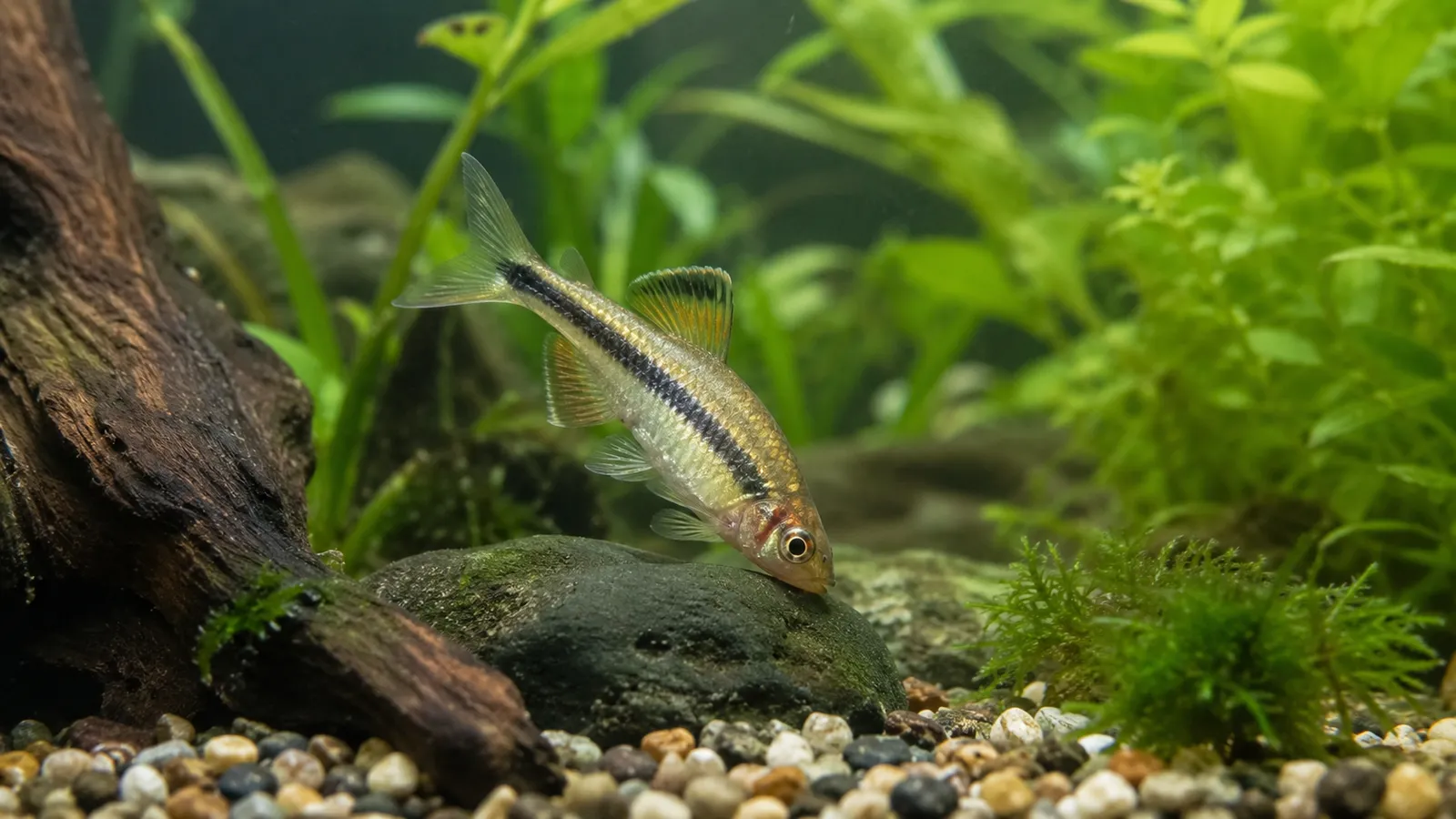
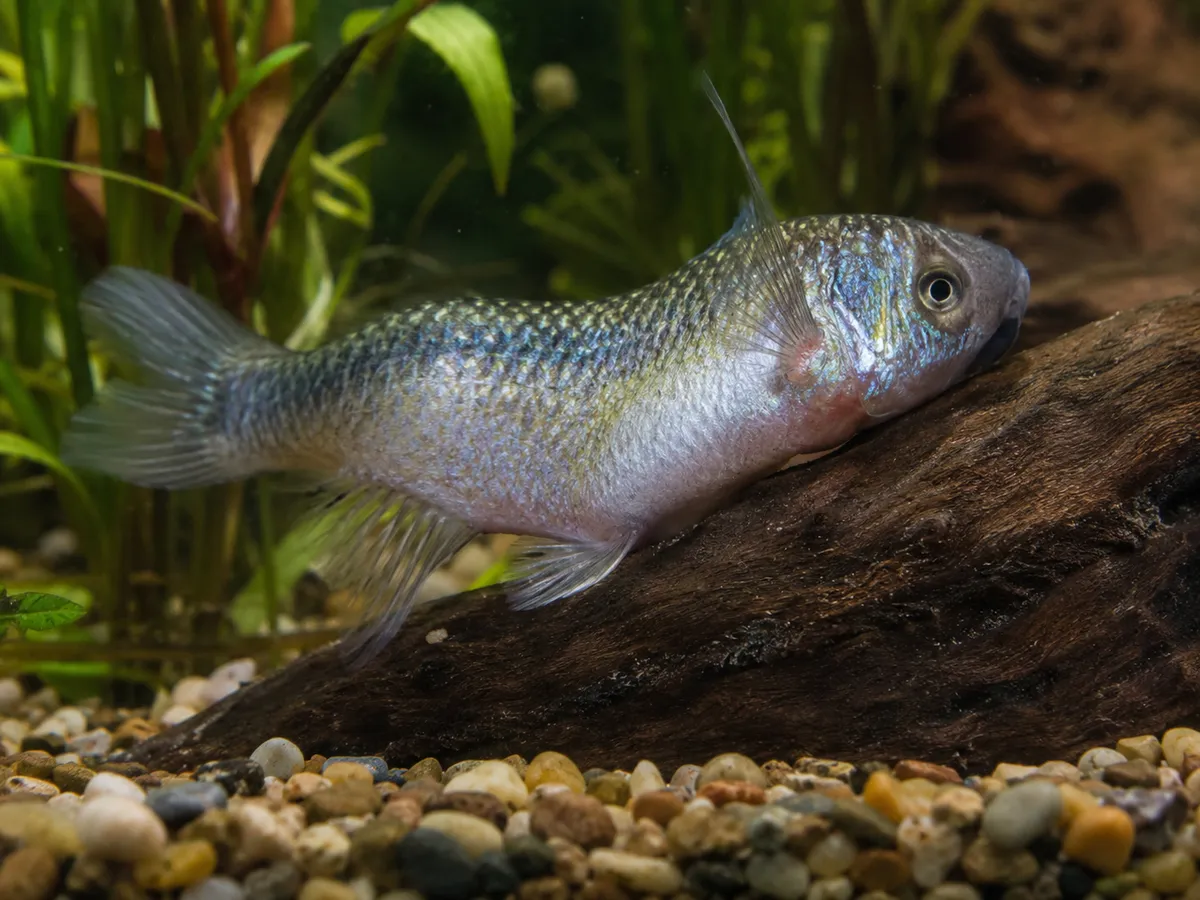
Flashing is the sudden sideways rub fish do against gravel, rocks, leaves, or decor. It looks like an itch. Sometimes it is parasites. Sometimes it is ammonia, nitrite, chlorine, pH shock, fine particles, medication irritation, or gill damage. Treating every flashing fish for parasites is one of the fastest ways to overmedicate a tank.
Occasional flashing vs repeated flashing
One flash after a water change or during feeding may not mean much. Repeated flashing, clamped fins, heavy breathing, spots, slime coat changes, or fish isolating themselves is different. Watch frequency and context. Did it start after new fish? After a water change? After adding decor? After cleaning the filter? Those clues matter.
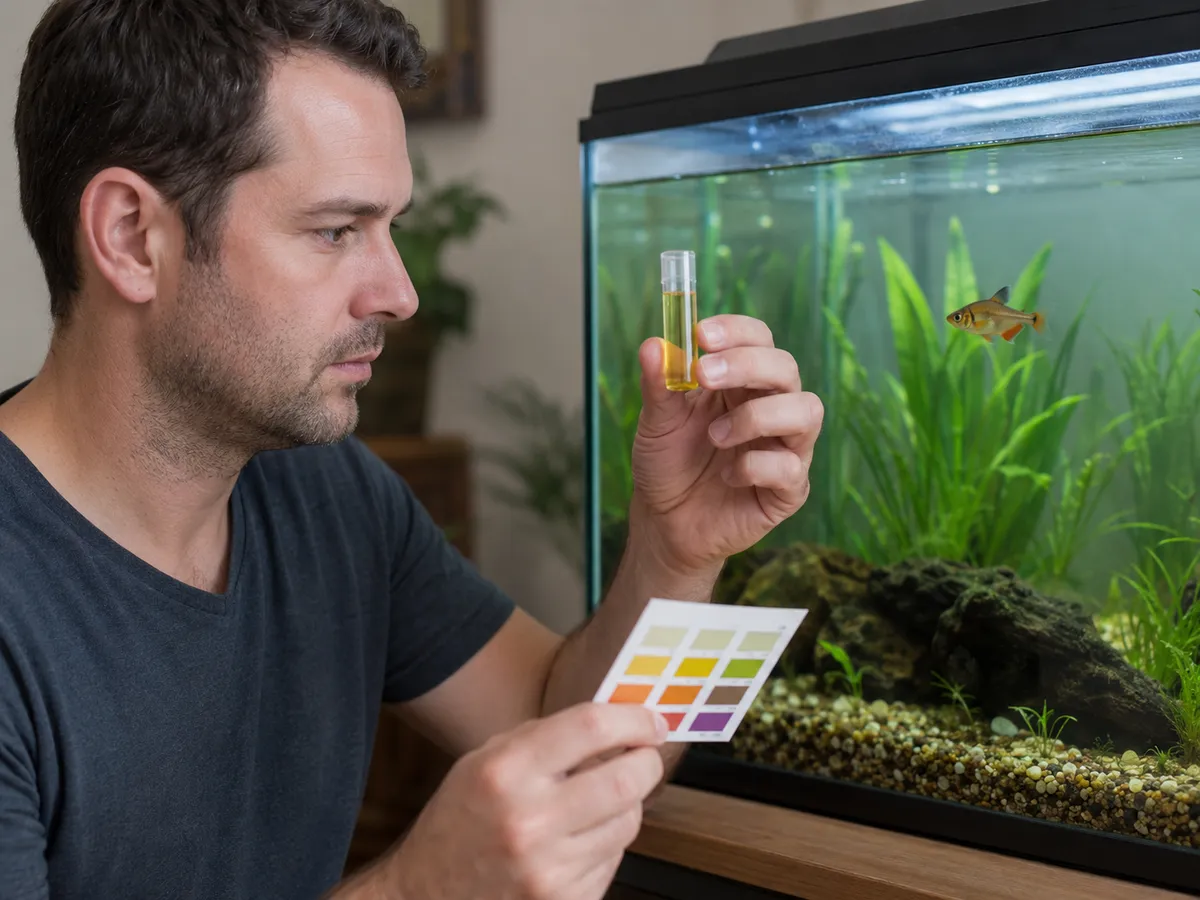
Test water first
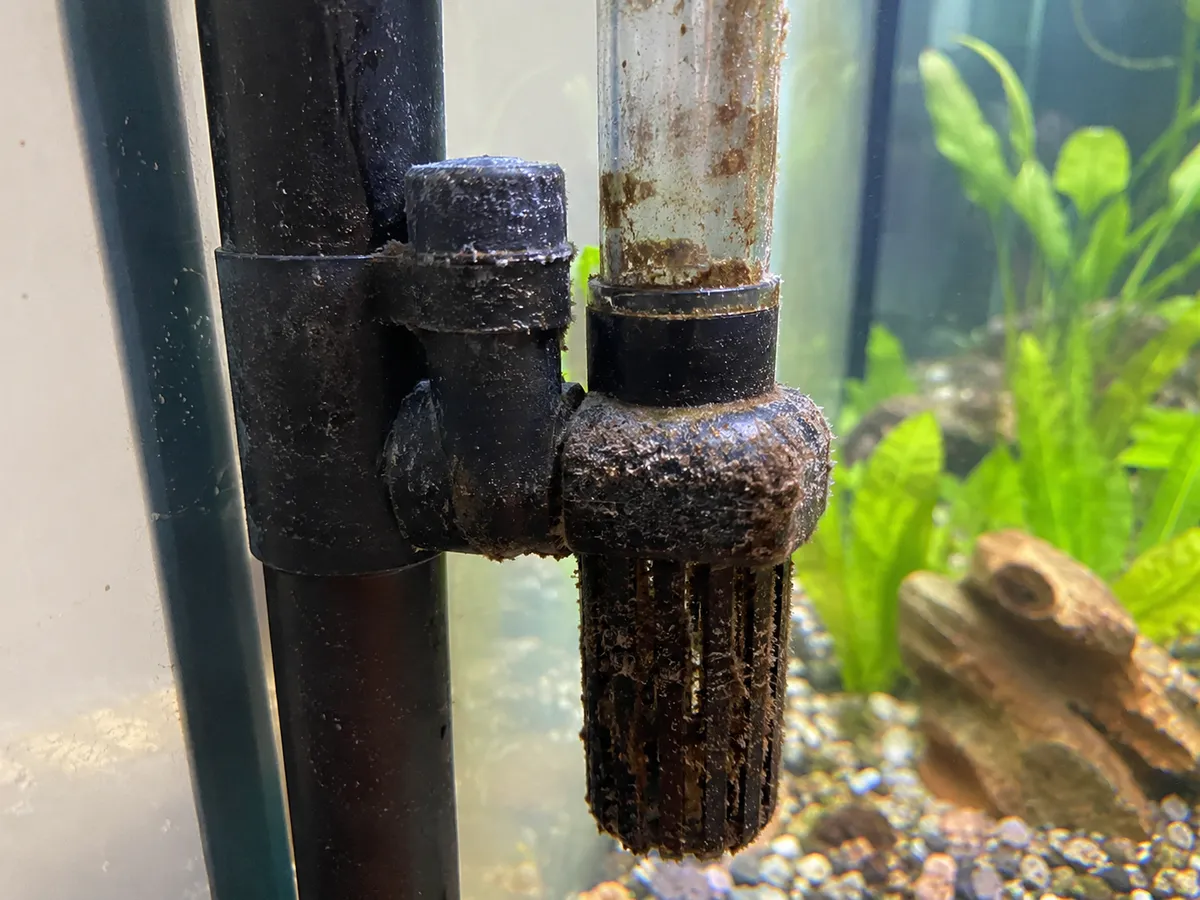
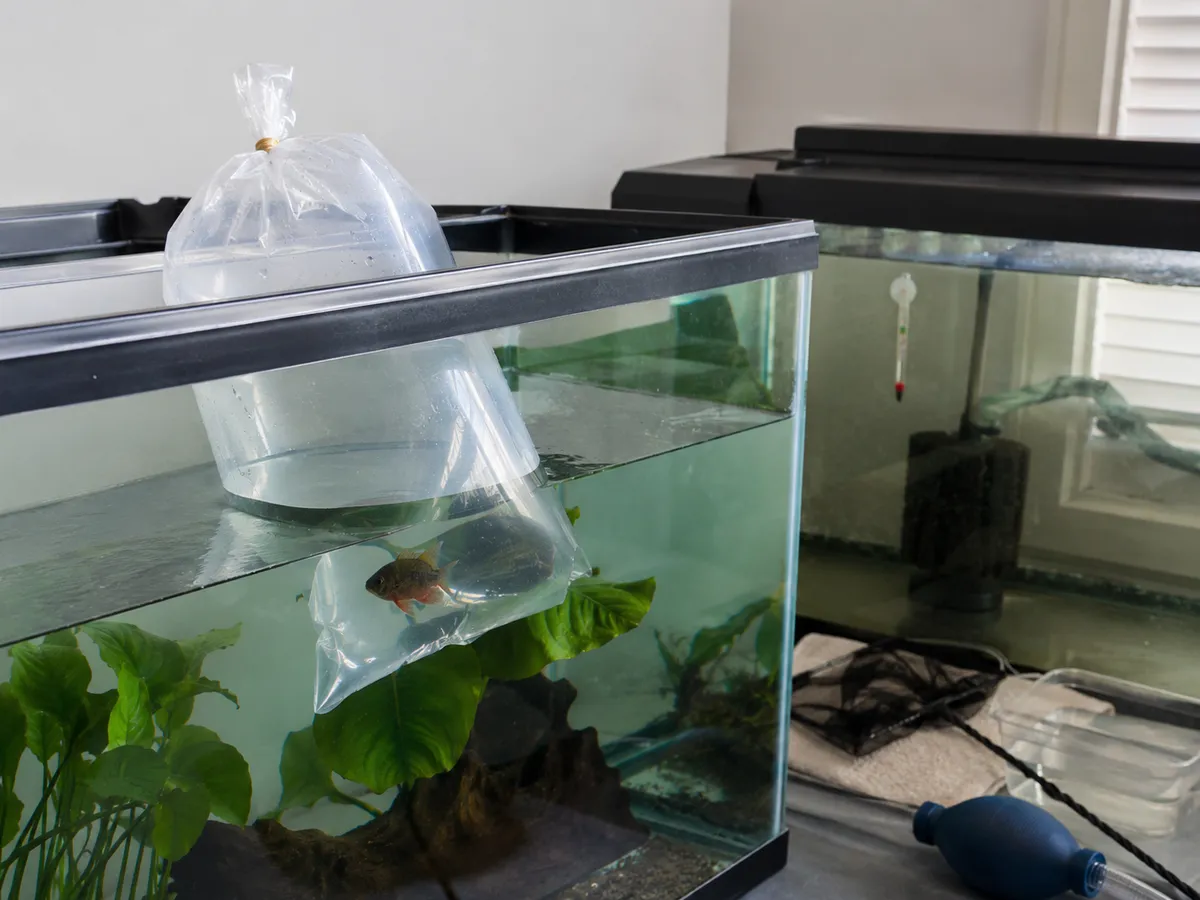
Ammonia and nitrite irritate gills and skin. Chlorine or chloramine exposure can burn tissue. Low oxygen can make fish behave erratically. Test ammonia, nitrite, nitrate, pH, and temperature. If flashing began after a water change, confirm conditioner use and temperature match.
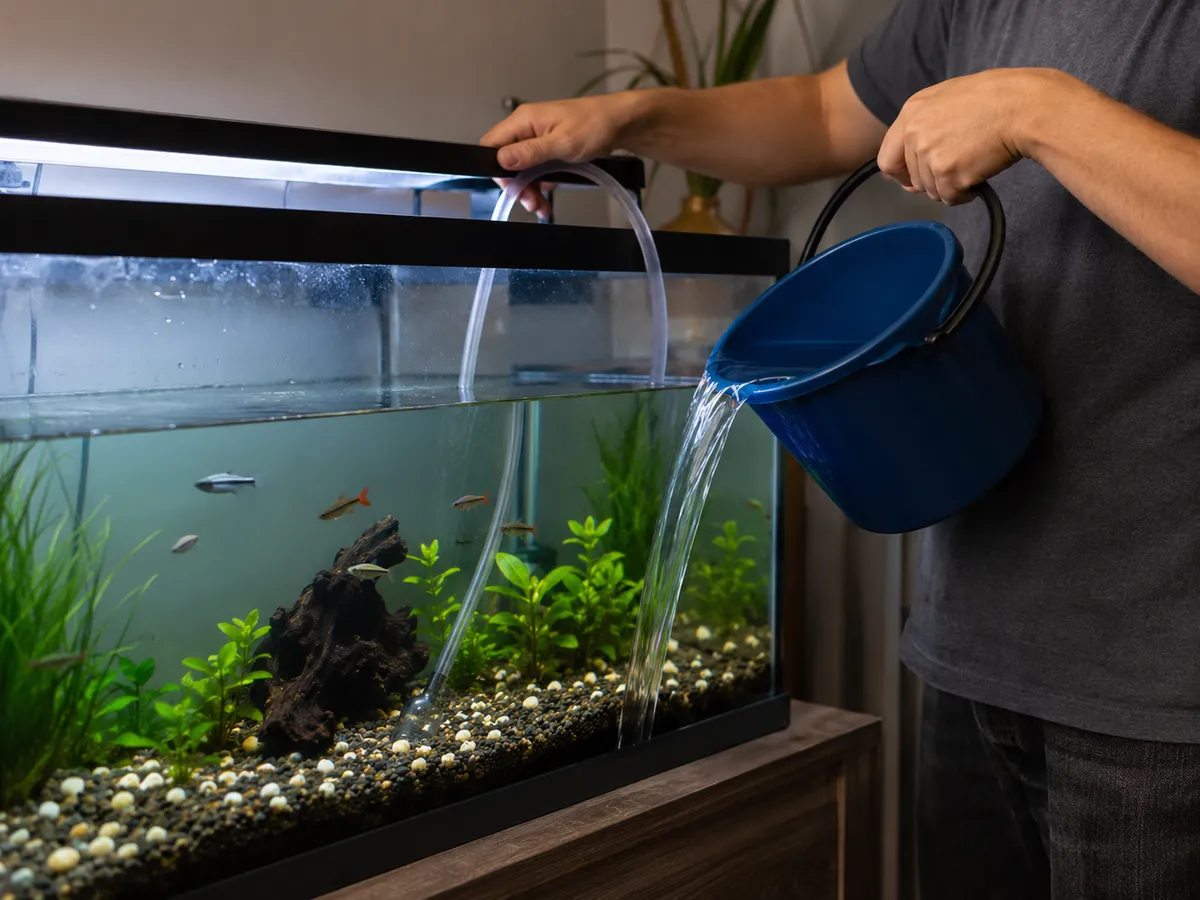
Do not deep-clean everything at once. If debris or chemical irritation is likely, do controlled water changes and protect the biofilter. Sudden “perfect cleaning” can destabilize the tank.
Parasite clues
Ich usually shows salt-like white spots. Velvet may look like fine dust and often causes fast breathing. Flukes may cause gill irritation, flashing, clamped fins, and excess mucus without obvious spots. External parasites can be hard to confirm visually.
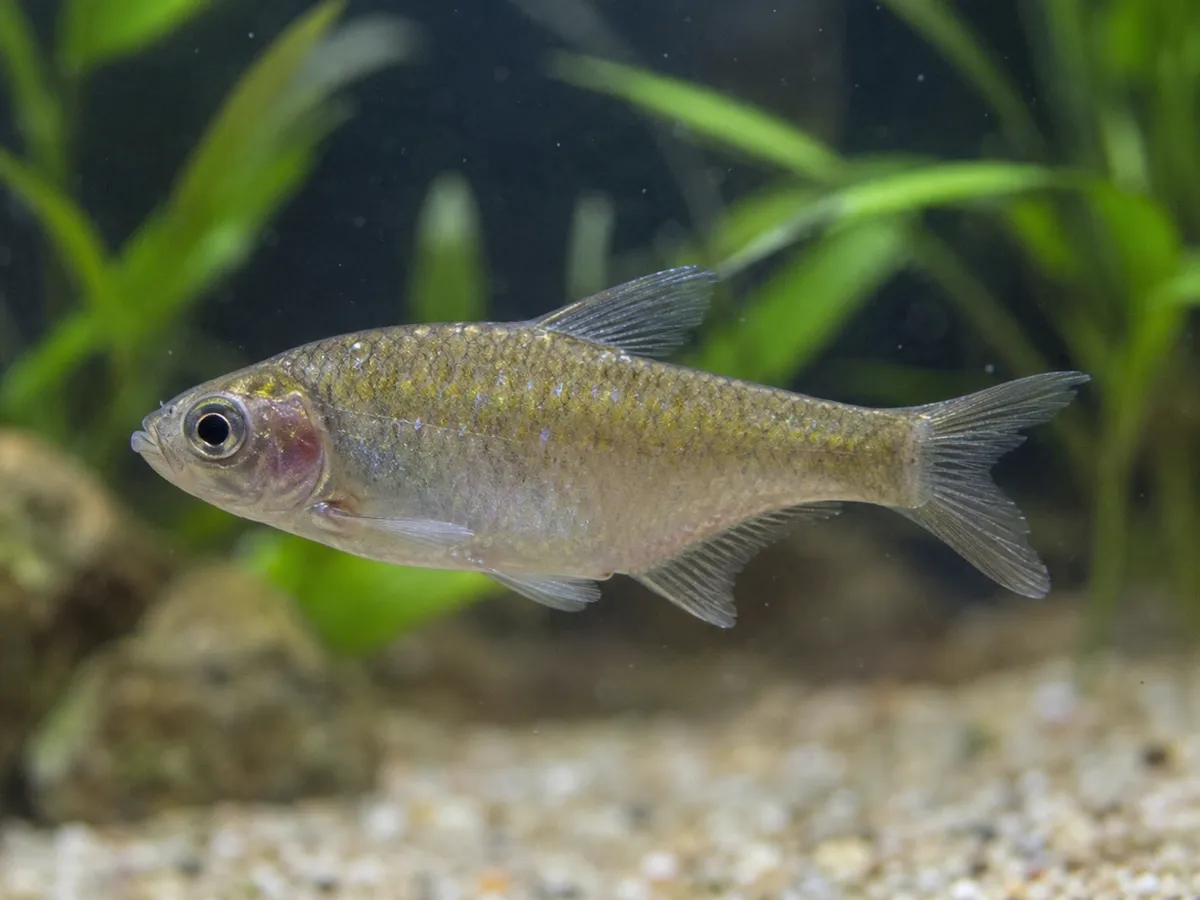
If new fish were added recently without quarantine, parasites move up the suspicion list. If multiple fish flash but water tests perfect, quarantine history becomes important.
Physical irritation
Fine sand dust, suspended debris, sharp decor, rough nets, and high flow can irritate fish. Strong current may force small fish into plants or rocks. Filter pipe sludge released after maintenance can also coat gills and trigger flashing. If you restart a dirty filter and fish begin flashing, test water and inspect mechanical media, hoses, and debris release.
Treatment decision
Correct water and oxygen first. If visible parasite signs appear or flashing persists despite good water, use a targeted medication appropriate for the suspected parasite and species. Avoid random medication stacks. Keep aeration high. Remove chemical media only if the label requires it. Do not kill the biofilter while trying to treat skin irritation.
The timeline tells you where to look
Flashing that begins within hours of a water change points toward chemistry, temperature, chlorine/chloramine, or debris. Flashing that starts a few days after adding new fish points more toward parasites or transport-related disease. Flashing that appears after filter maintenance can point to pipe sludge, released mulm, or a temporary ammonia/nitrite rise if media was disturbed.
Write down what changed in the previous seven days. New fish, new plants, new decor, a dead fish, medication, carbon removal, a clogged filter, an aggressive cleaning session, or a heater failure can all explain the timing. The timeline is often more useful than staring at the fish and guessing.
Gill symptoms are more urgent
If flashing is paired with fast breathing, flared gills, surface gasping, or fish gathering in high-flow areas, treat it as a gill or oxygen problem until proven otherwise. Increase aeration immediately and test ammonia and nitrite. Parasites can irritate gills, but so can ammonia, nitrite, chlorine, low oxygen, and fine suspended debris.
Do not chase invisible parasites too early
Parasite medication has a place, but it should not be the first reflex when water has not been tested. Many anti-parasitic treatments stress sensitive fish and can affect invertebrates. If water tests are good, oxygen is good, and flashing continues with new spots or multiple fish affected, then a targeted parasite plan becomes more reasonable.
Why observation beats panic
A fish that flashes once is giving you a clue, not a full diagnosis. Watch whether the same fish repeats the behavior, whether other fish copy it, and whether breathing changes. This observation window should be paired with water testing, not with waiting passively. The safest beginner habit is active observation: test, correct obvious water problems, increase oxygen when breathing looks stressed, and only then decide whether parasite treatment is justified.
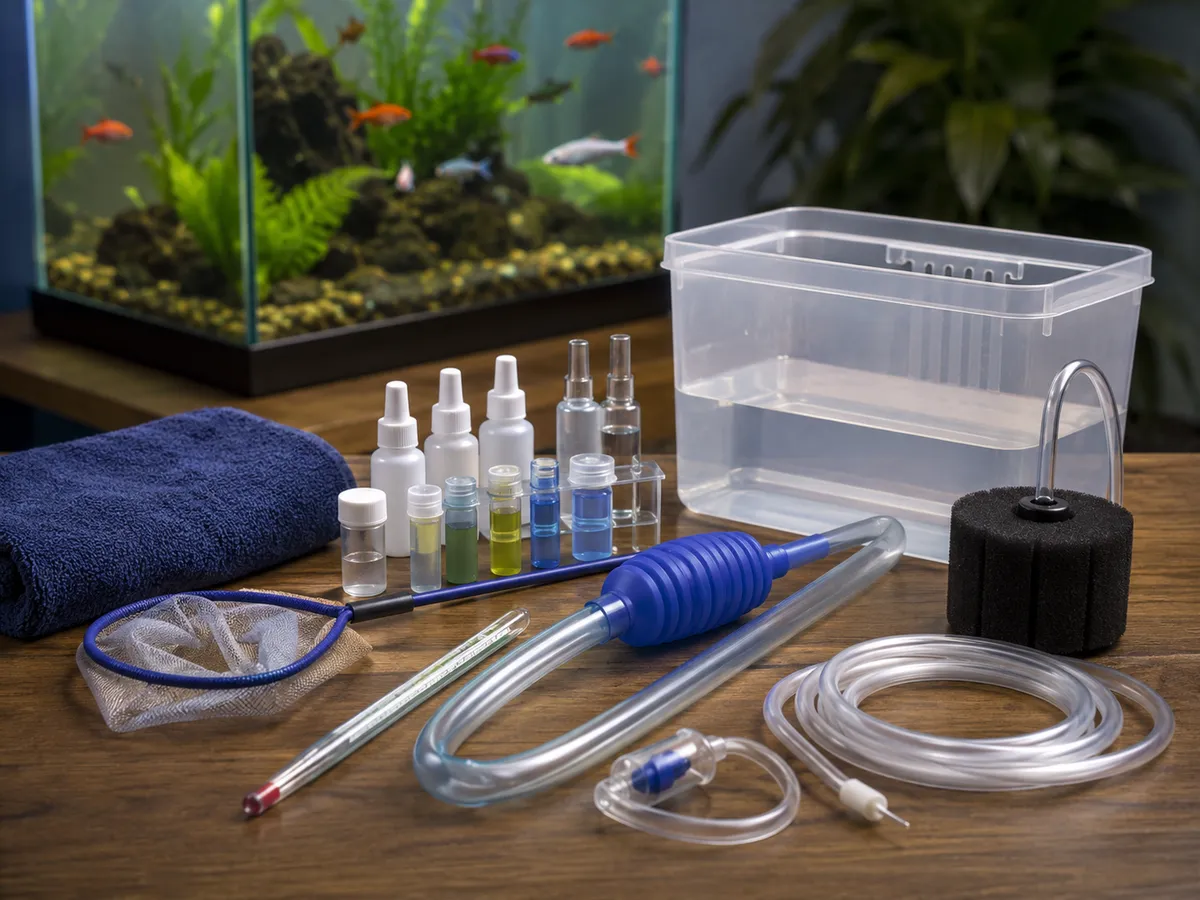
Useful tools for diagnosing flashing or scratching
Flashing Diagnosis Kit
- Liquid ammonia, nitrite, nitrate, and pH test kit
- Dechlorinator/water conditioner for tap-water mistakes
- Thermometer for temperature swings
- Gravel siphon for controlled waste removal
- Magnifying glass or phone macro lens for close observation
- Quarantine container and dedicated fish net
- Air stone or sponge filter for oxygen support during diagnosis
FAQ
Does flashing always mean parasites?
No. Flashing can come from parasites, ammonia, nitrite, chlorine/chloramine, pH shock, debris, or physical irritation.
What should I test when fish flash?
Test ammonia, nitrite, nitrate, pH, and temperature. Also review recent water changes, new fish, filter cleaning, and decor changes.
Can water conditioner stop flashing?
It can help if chlorine, chloramine, ammonia, or nitrite exposure is part of the problem. It will not cure parasites by itself.
Should I treat the whole tank?
If a contagious parasite is likely, display treatment may be needed. If only one fish is injured or stressed, quarantine may be safer.
Why do fish flash after a water change?
Possible causes include temperature mismatch, untreated chlorine/chloramine, pH/TDS shift, stirred debris, or sudden chemistry change.
Can fish flash once and still be normal?
A single occasional scrape can happen. Repeated flashing, clamped fins, fast breathing, spots, redness, or multiple fish scratching is a pattern that needs water testing and close observation.
Can chlorine or chloramine cause flashing?
Yes. Untreated tap water can irritate gills and skin quickly. Chloramine is especially important because it does not simply gas off like chlorine. Use a conditioner that treats your tap-water disinfectant and dose according to the label.
Can dirty filter sludge make fish scratch?
Organic sludge, clogged mechanical media, and poor circulation can contribute to irritation and water-quality stress. Clean mechanical media gently and protect biological media. Do not sterilize the entire filter during a symptom outbreak.
How can I tell parasites from water irritation?
Parasites often come with repeated rubbing, visible spots, excess mucus, flashing after new fish, or symptoms that spread between fish. Water irritation often appears soon after a water change, cleaning mistake, pH swing, chlorine exposure, or ammonia/nitrite spike.
Should I use parasite medication immediately?
Not before basic checks. Test water, check temperature, review recent changes, and inspect fish carefully. Medication is useful when the pattern supports parasites, but random treatment can stress fish and weaken the biofilter.
Related Guides
- Aquarium Fish Ich
- Ammonia, Nitrite, and Nitrate
- How to Acclimate New Fish
- Quarantine Tank Setup
- Filter Not Working
Author Box
Written by the Healthy Aquariums editorial team for beginner fishkeepers who want practical, water-first advice. Our guidance prioritizes water testing, stable husbandry, careful observation, and avoiding treatment decisions that can damage the biofilter.
Editorial Note
This guide is educational fishkeeping content, not a veterinary diagnosis. If fish are dying quickly, showing severe lesions, or failing to respond to basic water correction, contact an aquatic veterinarian or experienced local fish professional. Always read medication labels and never mix medications unless the manufacturer or a qualified professional specifically says it is safe.
References
- Merck Veterinary Manual. “Parasitic Diseases of Fish.” https://www.merckvetmanual.com/exotic-and-laboratory-animals/aquarium-fish/parasitic-diseases-of-fish
- Merck Veterinary Manual. “Environmental Diseases of Aquatic Animals in Aquatic Systems.” https://www.merckvetmanual.com/exotic-and-laboratory-animals/aquatic-systems/environmental-diseases-of-aquatic-animals-in-aquatic-systems