Aquarium heaters are easy to underestimate because they work quietly in the background. The risk is not only a tank that becomes obviously cold; it is daily temperature drift, hot pockets around the heater, and water changes that move fish through sudden thermal shifts.
Use this page to choose heating gear around stability. A safe heater setup uses circulation, an independent thermometer, and maintenance habits that prevent dry-running, cracked glass, and temperature shock.
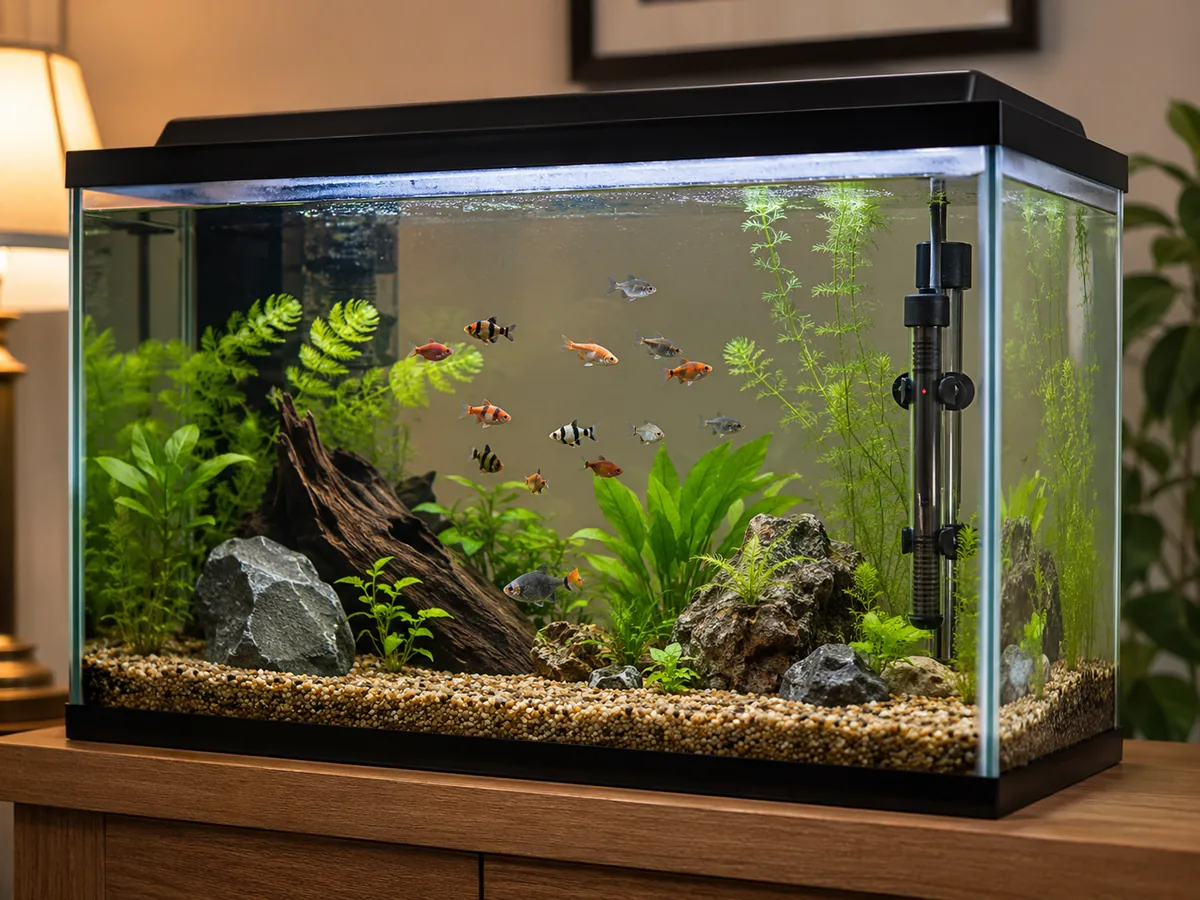
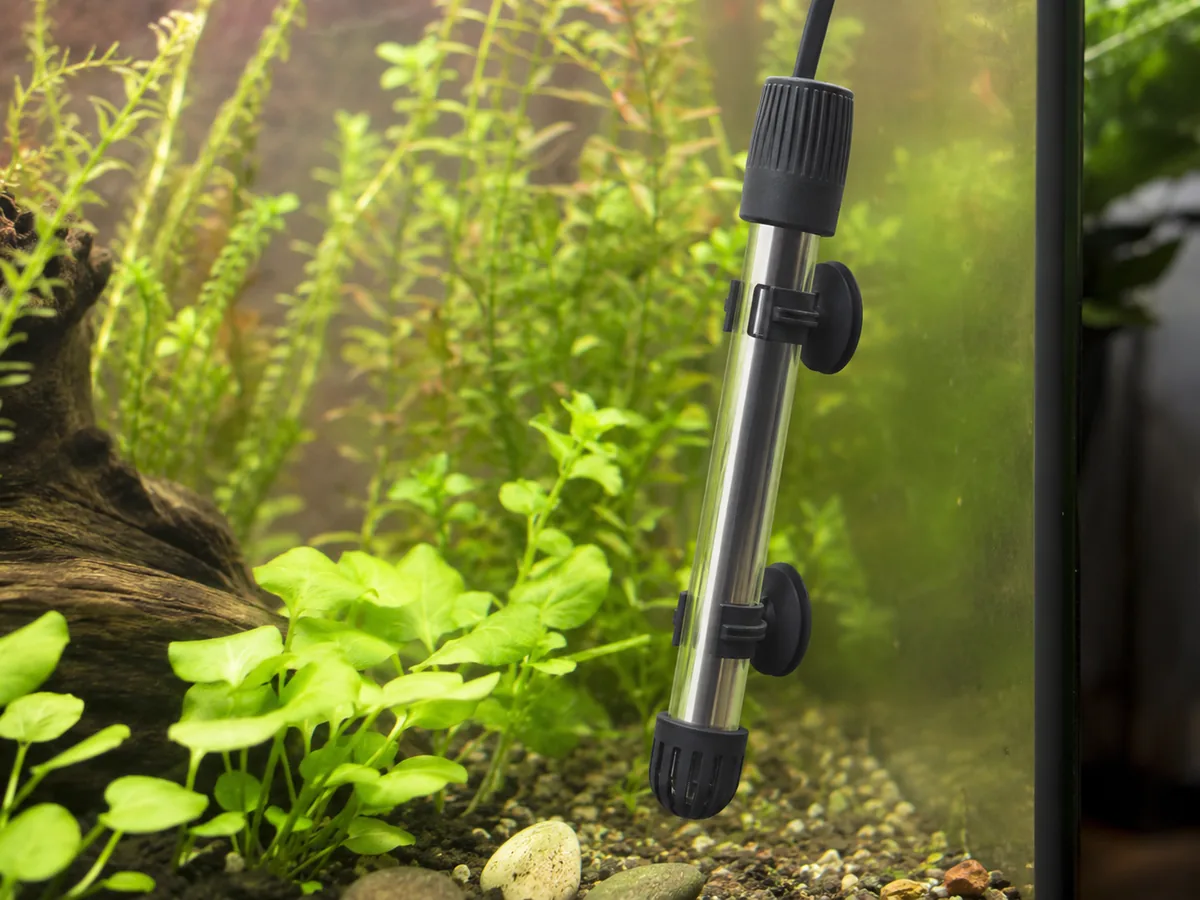
Equipment in real aquarium setups
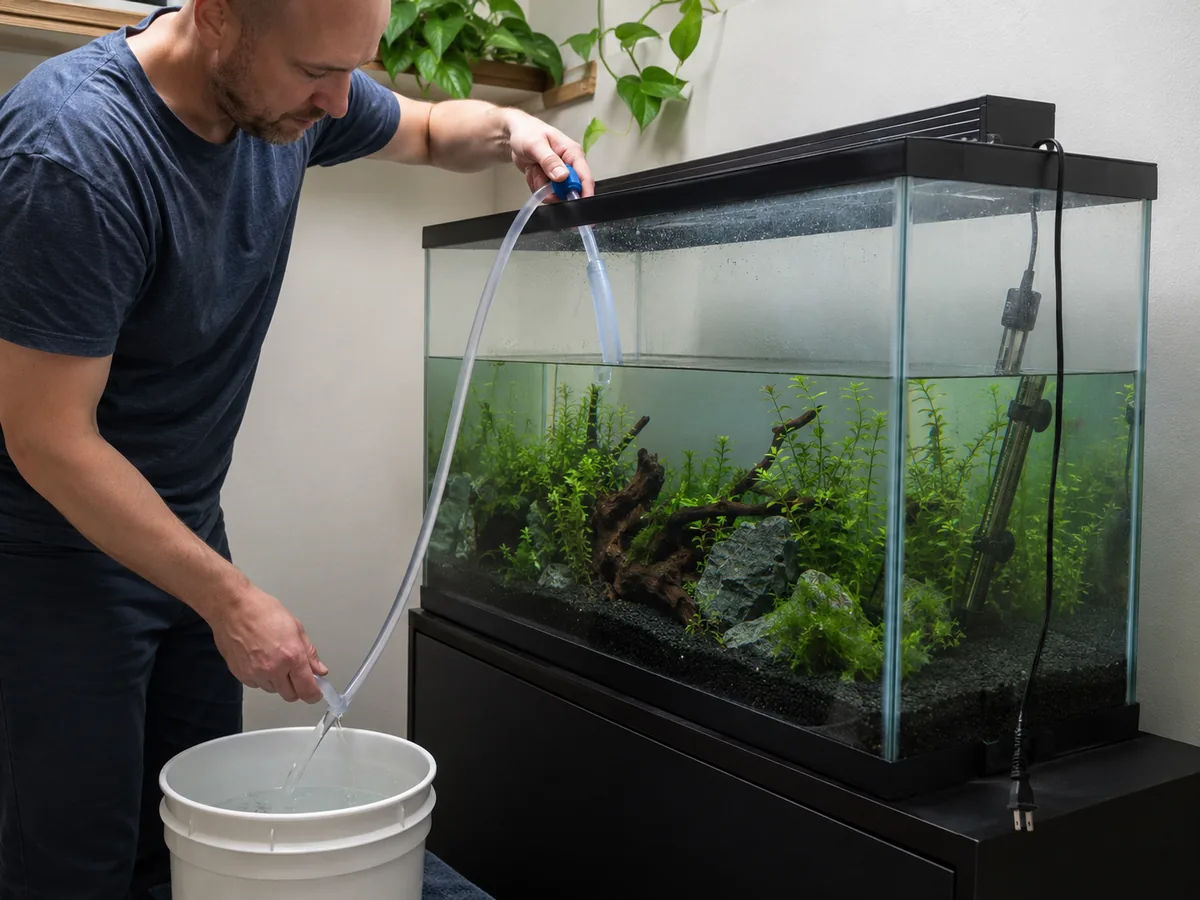
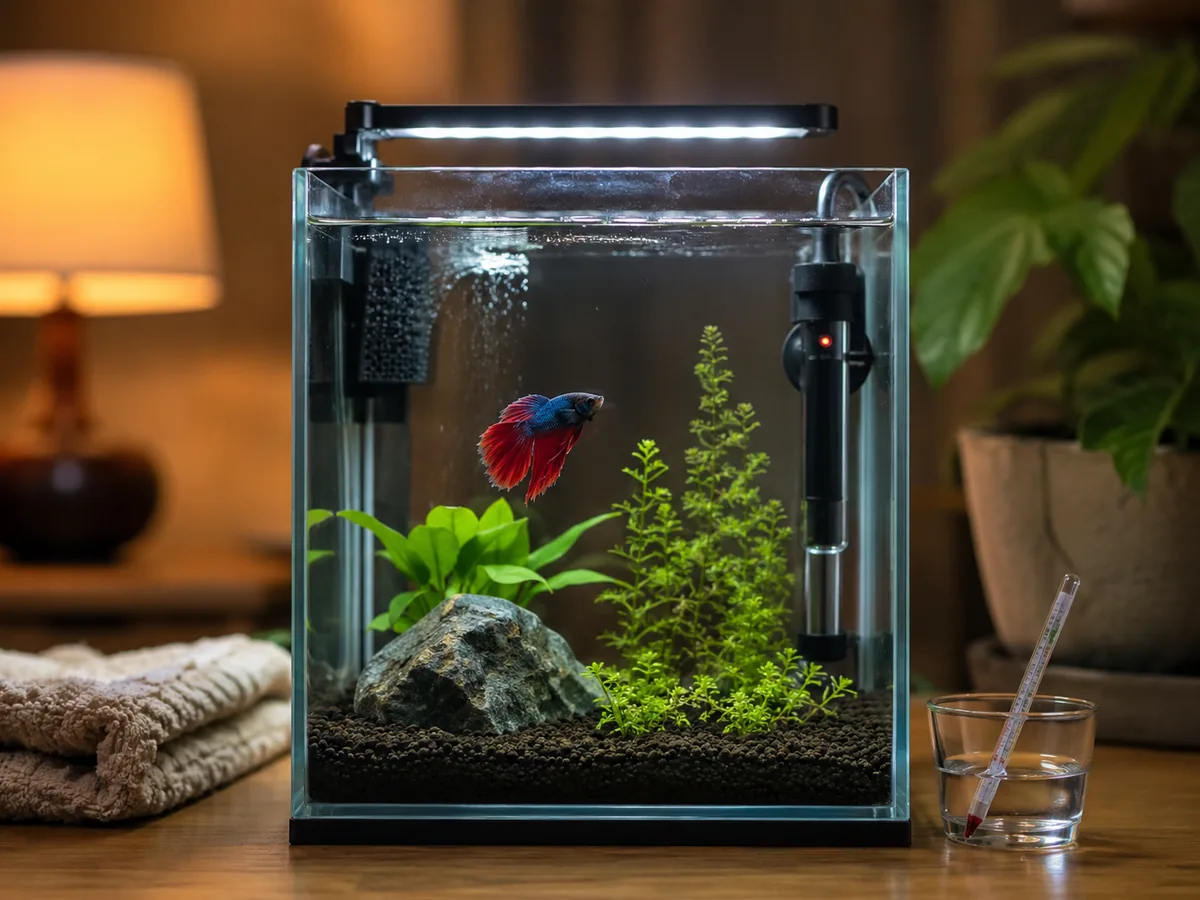
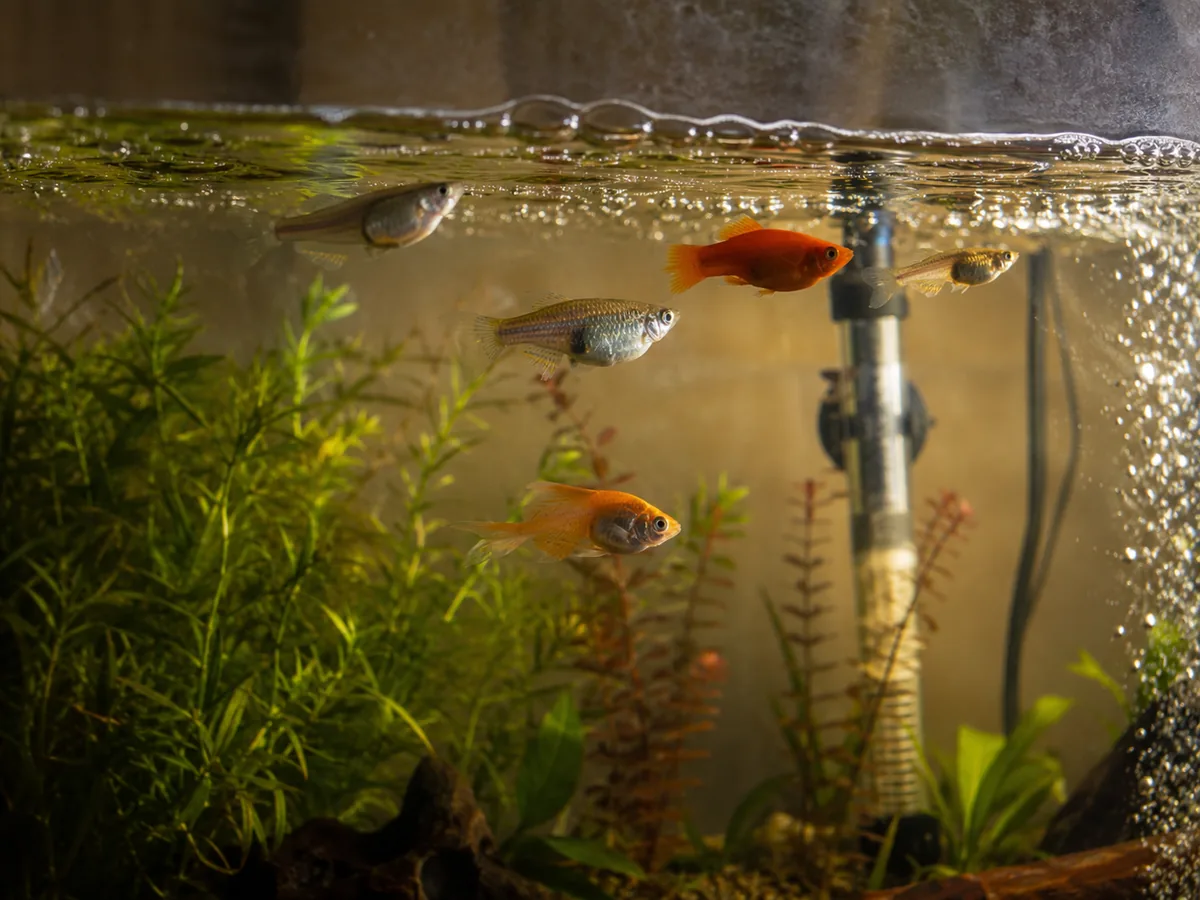
Temperature Stability Matters More Than Heater Wattage
A heater is not only a comfort device. It changes fish metabolism, oxygen demand, digestion speed, and ammonia toxicity. The safest heater setup spreads warmth evenly and verifies the actual water temperature with a separate thermometer.
Avoid the Thermal Dead-Zone Problem
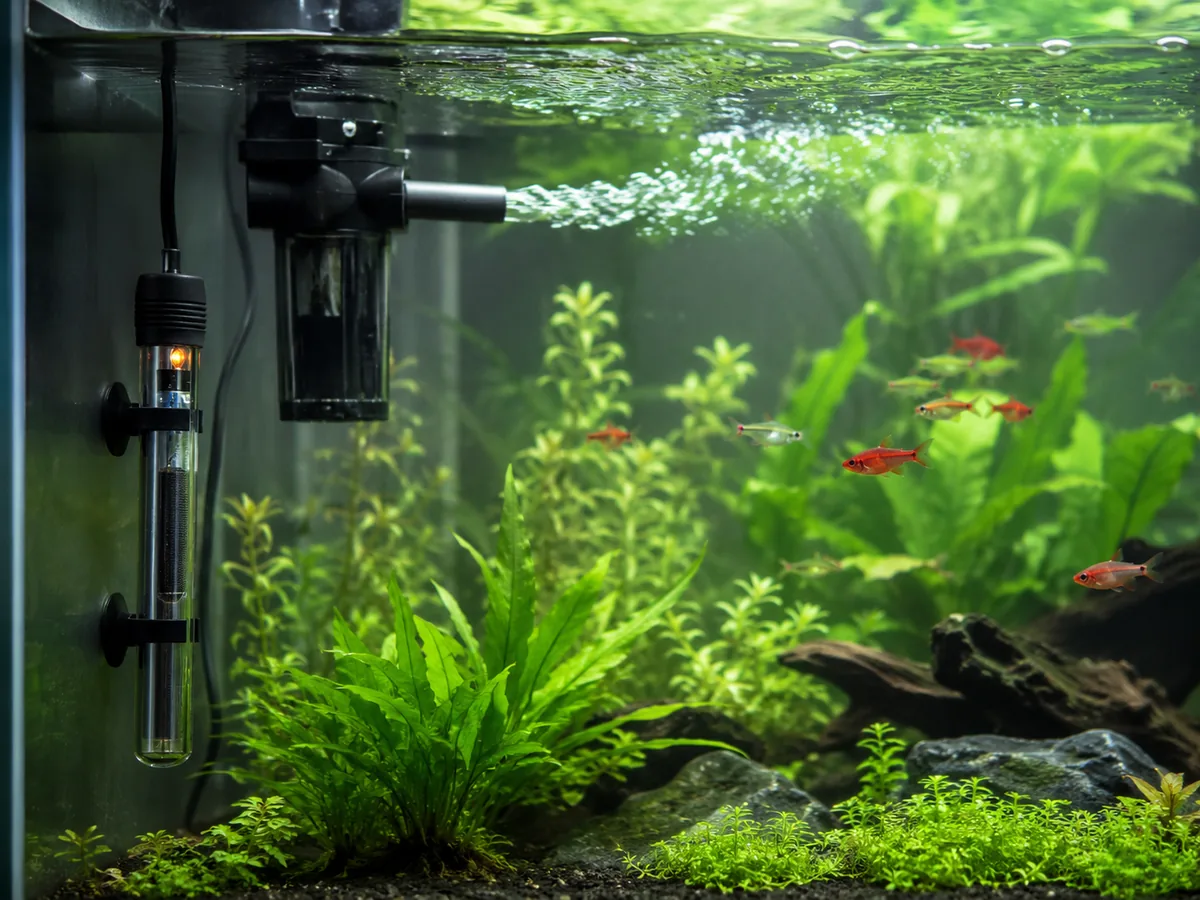
Low-flow aquariums can form warm and cool pockets. If the heater sits in stagnant water, the sensor may shut off because the heater’s local area is warm while the far side of the tank remains cooler. Gentle circulation near the heater reduces this risk without forcing fish to fight current.
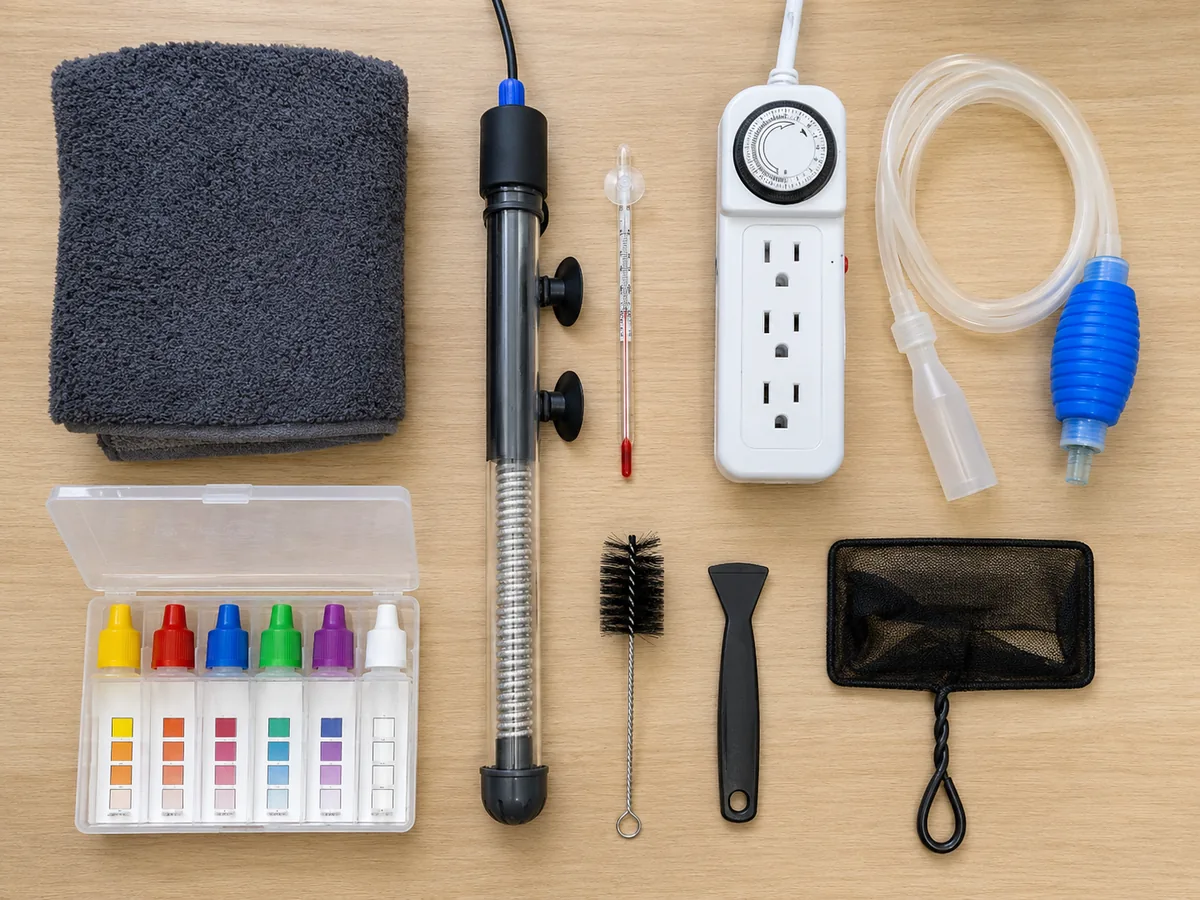
Stable Aquarium Heating Kit
A practical starter setup for this topic should include:
• adjustable aquarium heater sized for the tank
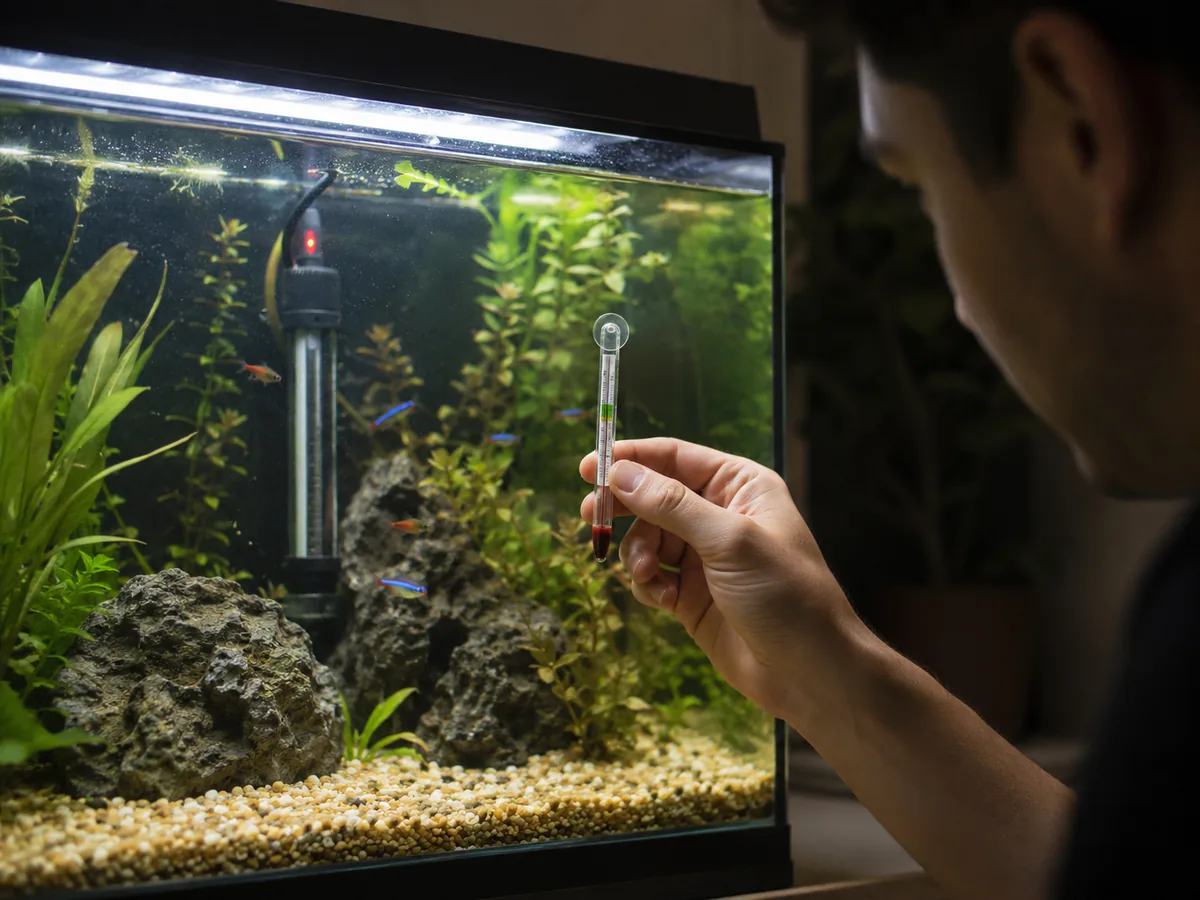
• separate thermometer placed away from the heater
• heater guard for delicate fish when needed
• small circulation source near the heater
• spare thermometer for water changes
Use this as a safety checklist, not a shopping command. Buy only what solves the actual tank problem you can observe or test.
Related Guides
- /best-products/best-aquarium-heaters/
- /best-products/best-heater-for-betta-tank/
- /tank-problems/clamped-fins-fish/
- /aquarium-setup/how-to-acclimate-new-fish/
- /guides/how-often-water-change/
- /tank-problems/betta-swim-bladder-disease/
FAQ
Where should an aquarium heater be placed?
Place it where gentle flow can move warm water through the tank, often near a filter return or intake. Avoid dead zones where heat pools around the heater.
Should I trust the heater dial alone?
No. Heater dials are approximate. Always use a separate thermometer placed away from the heater to confirm the actual tank temperature.
Do small tanks need extra heater caution?
Yes. Small volumes change temperature quickly, so a slight heater overshoot or water-change mismatch can stress fish faster than in a larger tank.
Should I unplug the heater before a water change?
Yes. Unplug or switch off the heater before lowering the water level so the element is not exposed to air and then shocked when water returns.
Can temperature change affect ammonia toxicity?
Yes. Warmer water and higher pH shift more total ammonia toward toxic un-ionized ammonia. This is why heat changes should be paired with water testing in suspect tanks.
Is a bigger heater safer?
Not always. Oversized heaters can warm small tanks too aggressively if the thermostat sticks or lags. Match wattage to tank size and room temperature.
Can low flow cause uneven heat?
Yes. Low-flow tanks can develop warm and cool zones. Use gentle circulation, not a strong blast, to spread heat evenly.
What temperature change is safe during water changes?
Aim to match new water within about ±1°C when possible, especially for sensitive fish or small tanks.
Do heater guards matter?
They help when keeping fish that rest against equipment or when the heater surface can contact delicate fins, but they do not replace correct placement and monitoring.
When should I replace a heater?
Replace it if it sticks on, fails to hold temperature, shows moisture inside the tube, has damaged wiring, or becomes unreliable after repeated calibration checks.
Author Box
Written by the HealthyAquariums editorial team for beginner freshwater aquarists who want practical, stability-first advice instead of generic product lists.
Editorial Note
This page is part of the this practical equipment guidance. The recommendations prioritize water stability, fish behavior, biofilter safety, and beginner-operable maintenance. Product mentions should be treated as category suggestions, not fixed brand endorsements.
References
- https://www.merckvetmanual.com/exotic-and-laboratory-animals/aquarium-fish/environmental-diseases-of-fish
- https://edis.ifas.ufl.edu/publication/FA164
- https://www.apifishcare.com/post/ammonia-in-fish-tanks