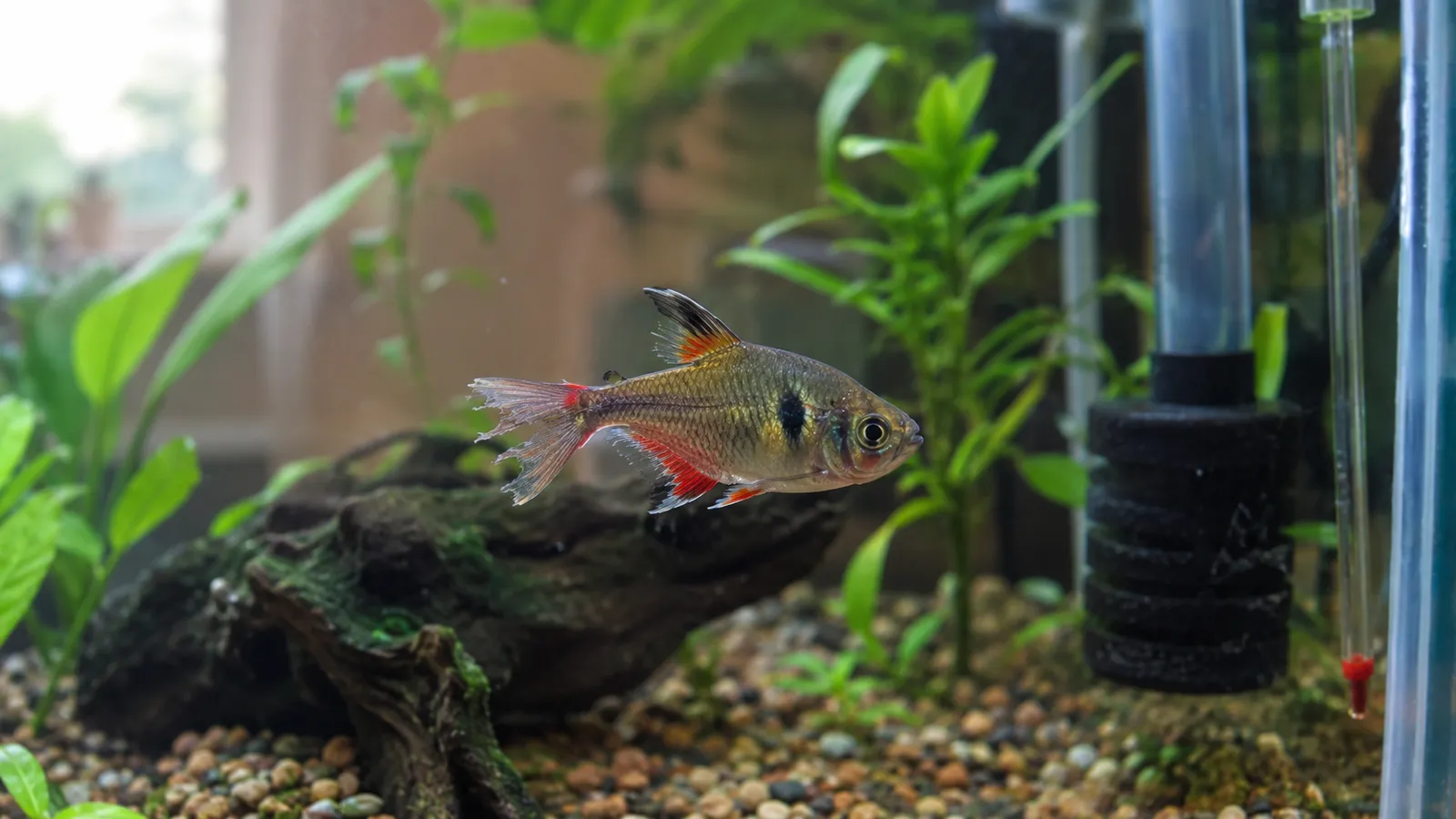
Fin rot is not just “ragged fins.” Torn fins can come from nipping, sharp decor, filter intake injuries, breeding damage, or shipping stress. True fin rot is progressive tissue damage often made worse by poor water quality, chronic stress, and opportunistic bacteria. The difference matters because beginners often medicate the whole tank while the real cause keeps cutting the fish every day.
What early fin rot looks like
Early fin rot may show as uneven edges, pale or whitish fin margins, small red streaks, shrinking fin length, or a fin edge that keeps receding instead of healing. A clean tear often has a clear cause and may heal if water is excellent. Rot tends to spread, fray, discolor, or inflame.
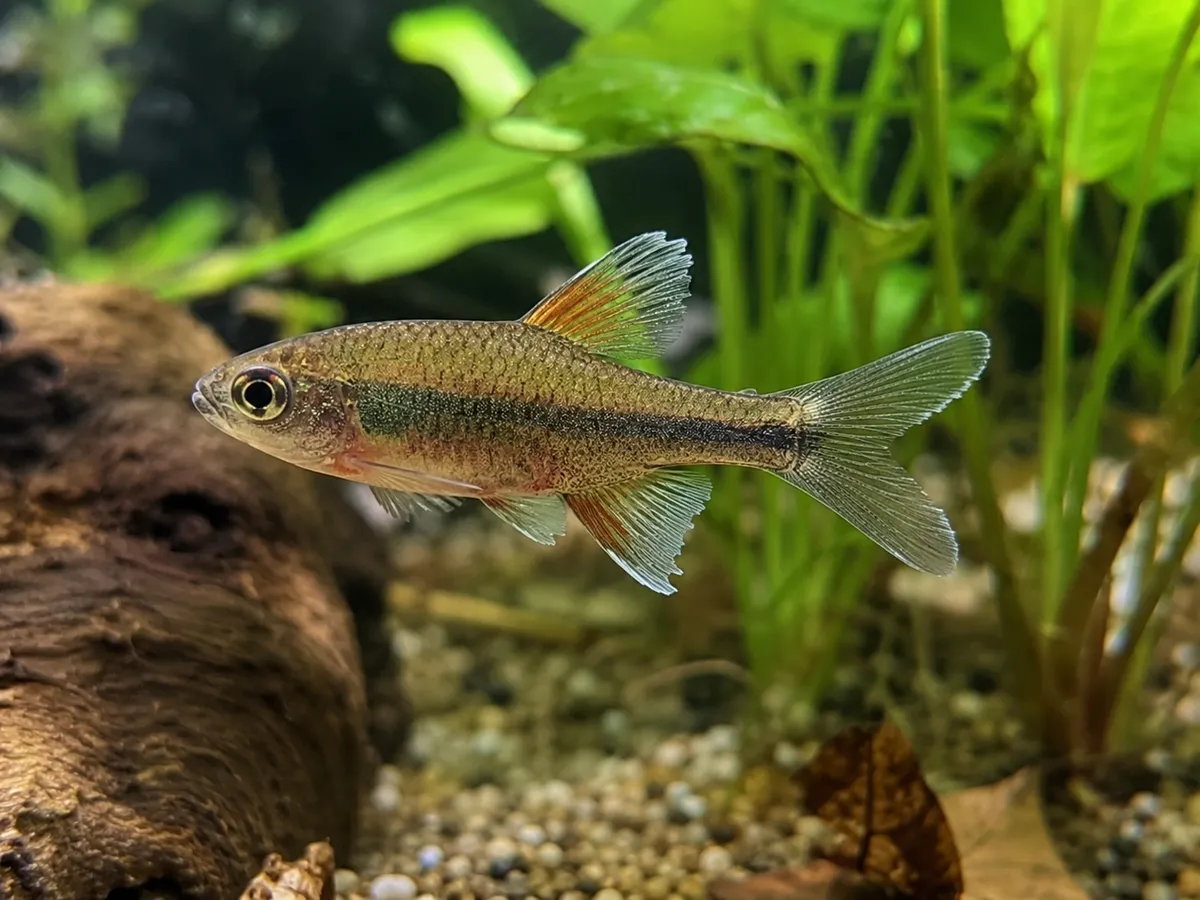
Check every fish, not only the worst one. In a community tank, fin damage may point to aggression, overcrowding, unsuitable tank mates, or high-flow stress.
Water comes before medication
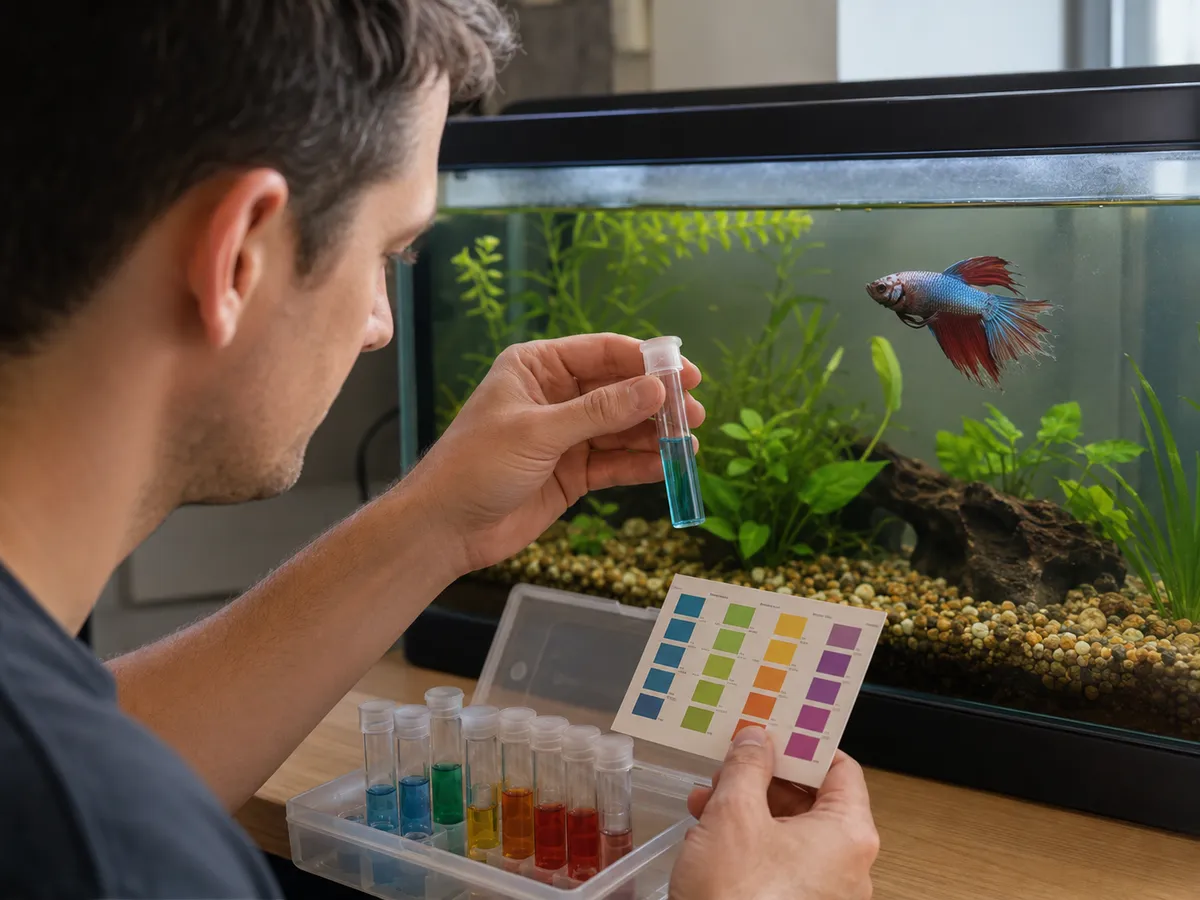
Test ammonia, nitrite, nitrate, pH, and temperature. Ammonia and nitrite damage delicate tissues and gills. High nitrate and dirty water can slow healing. If the water is unstable, medication is working against the environment.
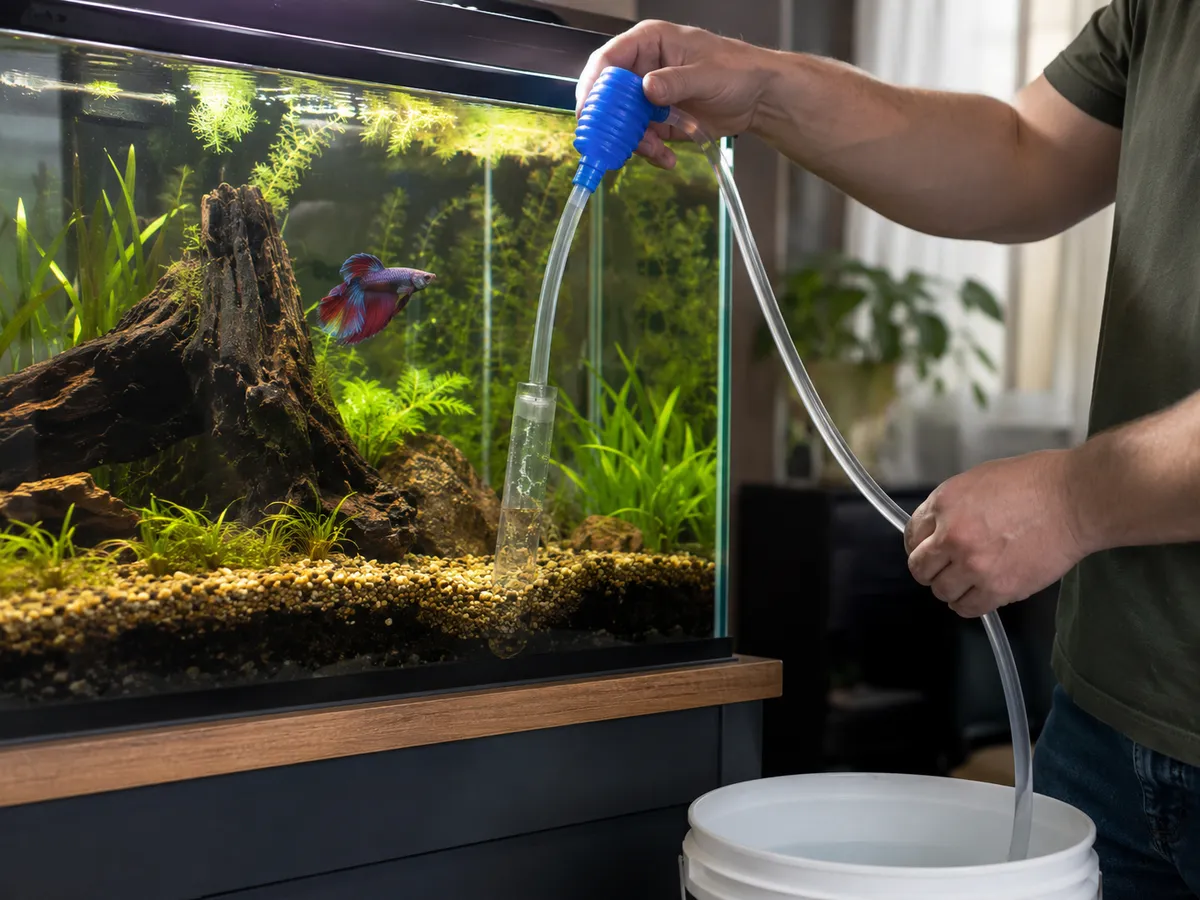
Perform controlled, temperature-matched water changes. Rinse clogged mechanical media gently in old tank water. Do not replace all filter media. Do not deep-stir the substrate. The goal is cleaner, stable water, not a sudden ecosystem reset.
Find the physical cause
Run a finger gently over decorations before adding them to a tank. Sharp plastic plants, rough lava rock edges, tight caves, and exposed filter intakes can shred fins. Strong current can exhaust long-finned fish and push them into decor. Fin nipping from tank mates is also common; barbs, some tetras, stressed livebearers, and overcrowded groups may nip.
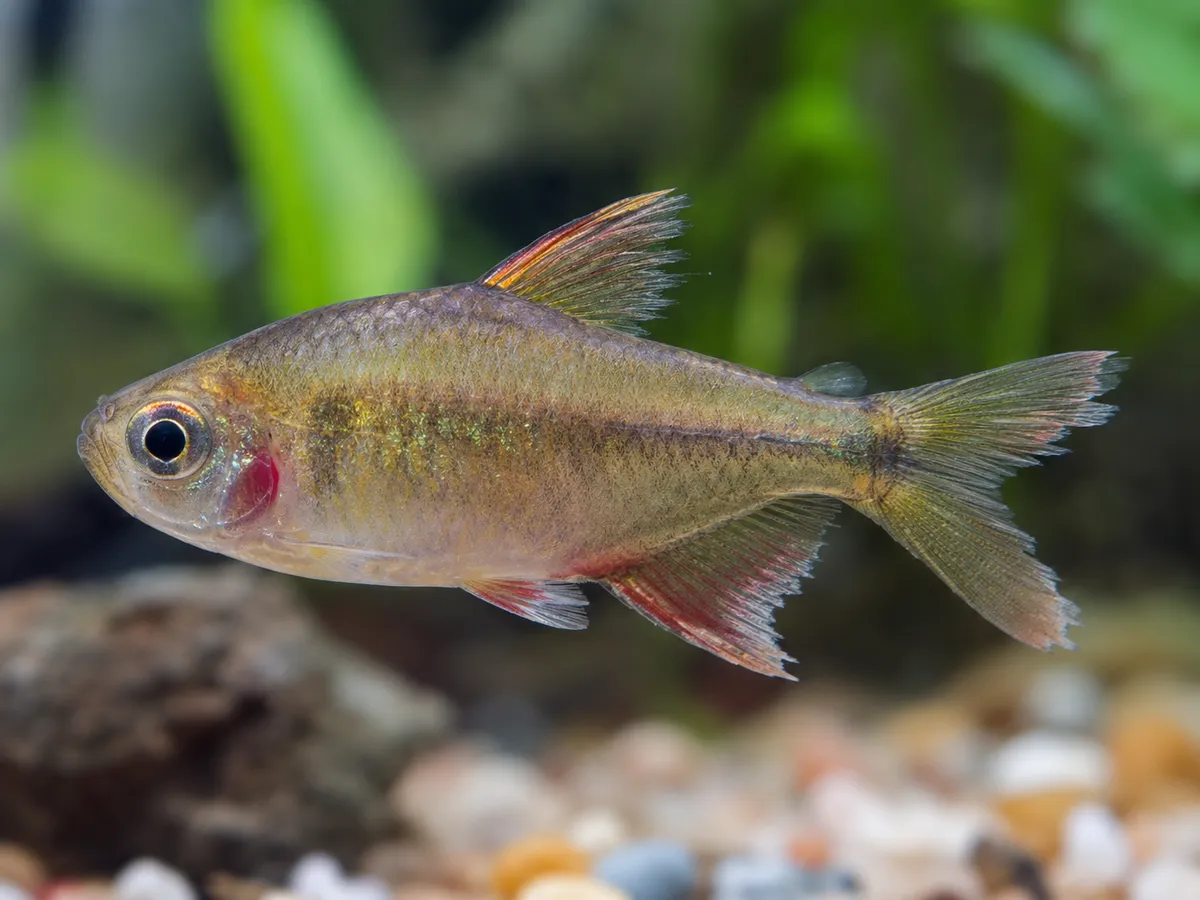
If fins are being torn every day, medication will not fix the tank design.
When clean water is enough
Mild fin damage with no redness, no spreading, and active feeding may heal with improved water, reduced aggression, and better nutrition. Look for transparent new fin growth at the edge. That clear regrowth is a good sign.
When medication may be needed
Use medication when fin loss progresses, edges look infected, red streaks appear, or the fish becomes lethargic. A hospital tank is often safer than medicating a planted display with shrimp or snails. Keep aeration strong because some medications reduce oxygen or stress the biofilter.
Avoid stacking antibiotics, salt, and random “cure-all” products. Pick a reasoned treatment and follow the label.
The double-crash mistake during fin rot recovery
The worst fin rot outcomes often happen when the aquarist tries to make the tank “perfect” in one afternoon. They scrub the gravel deeply, replace the cartridge, rinse the sponge under tap water, change most of the water, add medication, and feed extra food because the fish looks weak. That feels proactive, but it can remove nitrifying bacteria, release trapped waste, and expose fish to a new chemistry shock exactly when the immune system needs stability.
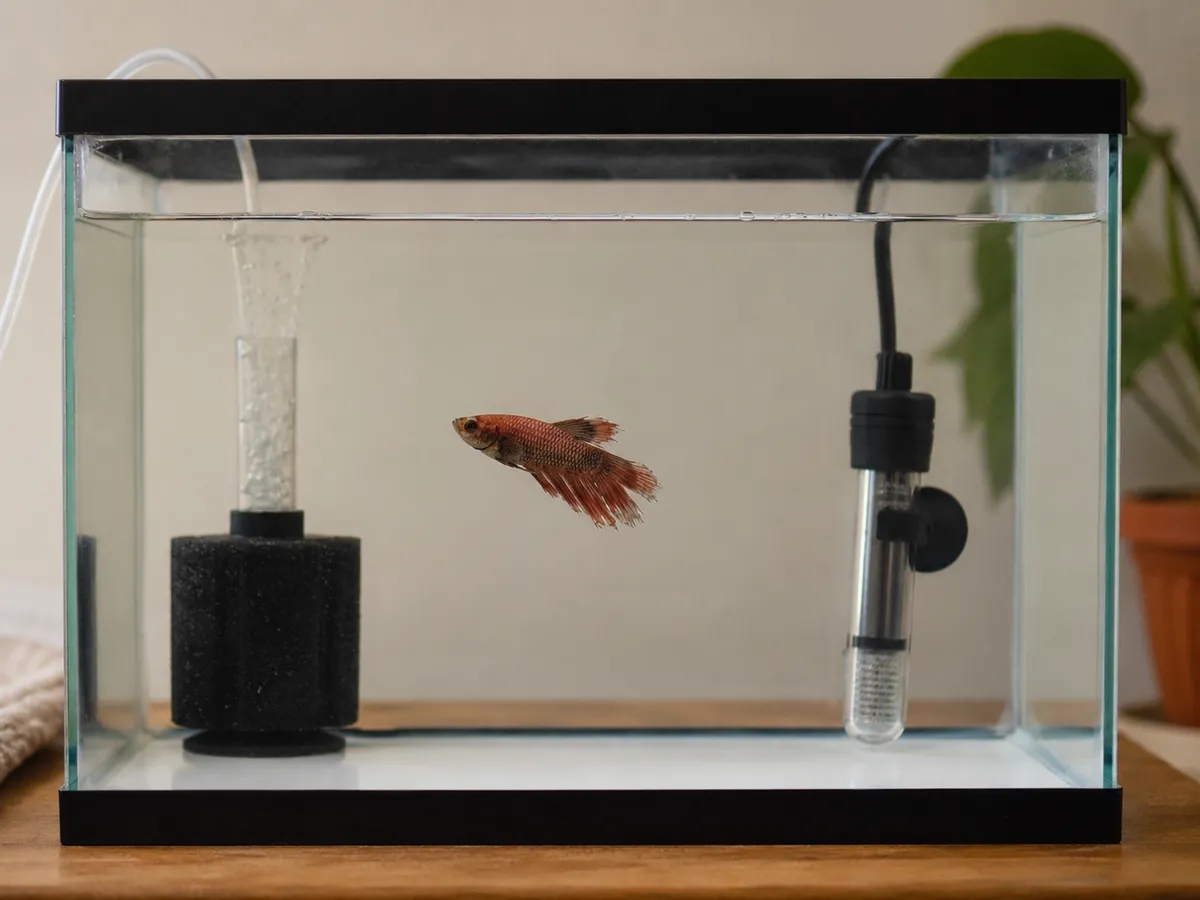
A safer recovery plan is staged. Clean clogged mechanical media only. Rinse it gently in old tank water. Leave biological media alone. Remove obvious waste from the surface of the substrate without digging through deep layers. Change enough water to reduce nitrate or toxins, but match temperature and use conditioner that handles chloramine. If the tank is old and neglected, several smaller water changes over a few days are often safer than one violent reset.
Food and immune recovery
Fin regrowth takes energy. Feed a high-quality staple in small portions, not a buffet. Uneaten food decays into ammonia pressure and bacterial load, which can slow healing. If the fish is still eating, feed enough to maintain strength and remove leftovers within five minutes. If the fish stops eating, check water again before blaming the food.
What to track each day
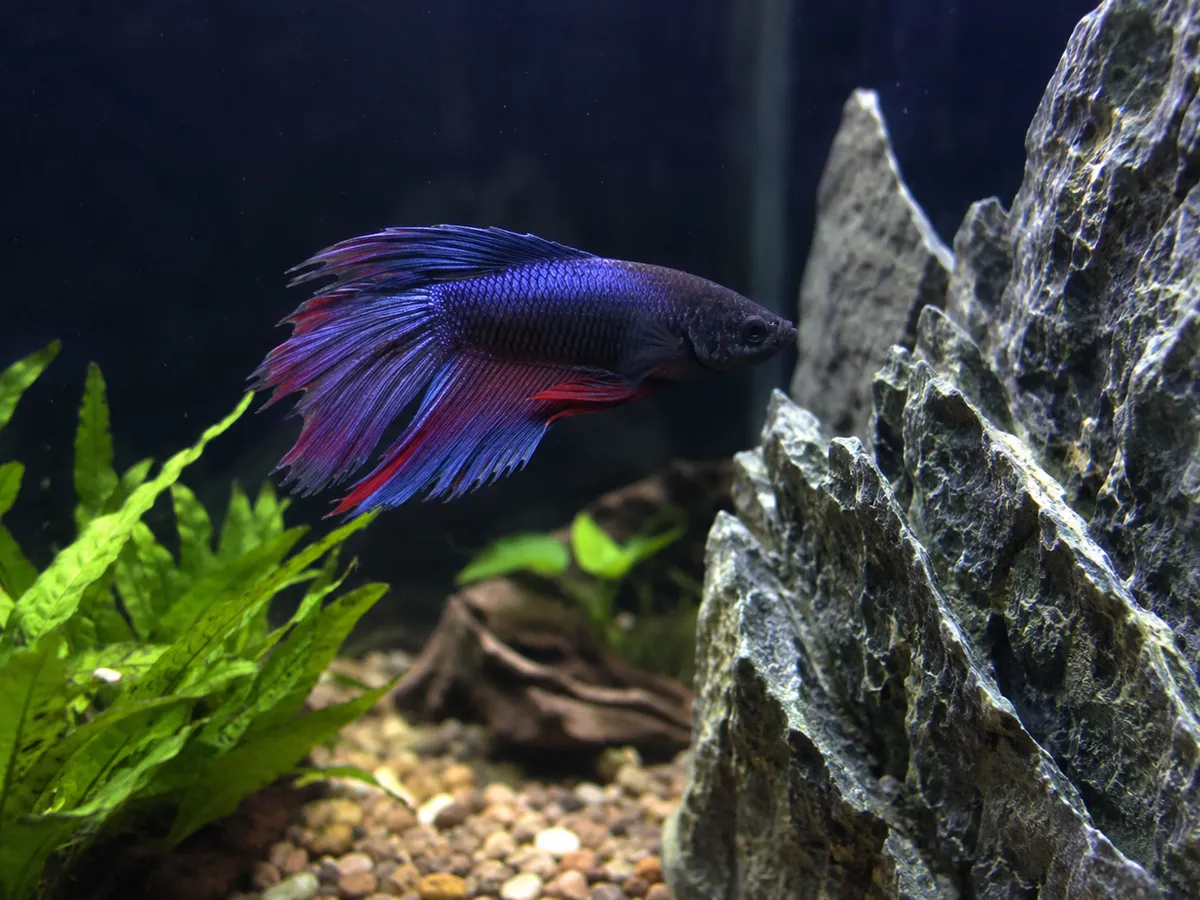
Take a photo from the same angle daily. Fin damage is hard to judge from memory. Watch whether the damaged edge is moving closer to the body, whether red streaking increases, and whether the fish becomes more active. Clear new fin tissue usually looks delicate and transparent. Do not mistake new growth for fungus.
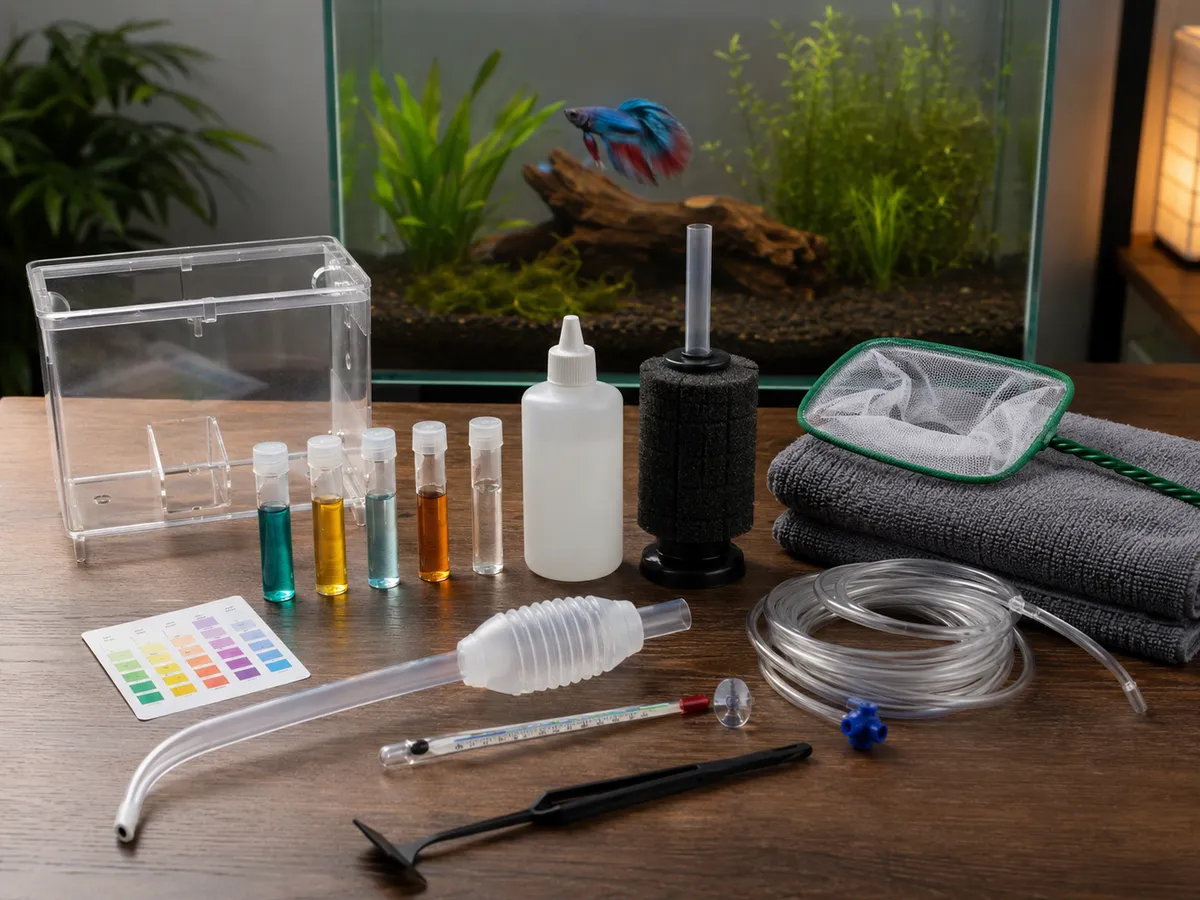
Useful tools for fin rot recovery
Fin Rot Recovery Kit
- Liquid water test kit
- Water conditioner that handles chlorine/chloramine
- Small gravel siphon for gentle waste removal
- Sponge filter or gentle backup aeration
- Simple hospital tank for fragile or bullied fish
- Smooth decor check tool such as a nylon stocking or cotton pad
- Clean fish net, towel, and dedicated treatment container
FAQ
Can fin rot heal without medication?
Mild damage can heal if water is excellent and the cause is removed. Progressive rot, redness, or lethargy may require medication.
Is fin rot contagious?
The bacteria involved are often opportunistic. Poor conditions can affect multiple fish, so treat the tank environment even if one fish looks worst.
Should I use salt for fin rot?
Not automatically. Salt is often overused and can stress some fish, plants, or invertebrates. Start with testing, clean water, and cause removal.
How do I know fins are healing?
Look for stable edges, no further recession, normal appetite, and clear or translucent new growth at fin margins.
Can sharp decor cause fin rot?
Sharp decor can cause tears that become infected in poor water. Remove or smooth the physical cause before relying on treatment.
Is fin rot bacterial or just damaged fins?
It can be either. Torn fins from sharp decor or bullying may heal in clean water, while true fin rot keeps advancing with ragged edges, discoloration, or inflamed tissue. The first step is to find why the fins were damaged and whether water quality is slowing healing.
How fast should fin rot improve?
Mild cases may stop worsening within a few days after water quality and stress are corrected, but visible regrowth takes longer. Clear or translucent new fin edges are a good sign. Continuing loss, redness, or body ulcers means the case is more serious.
Should I cut damaged fins?
No. Do not trim fish fins at home. That creates a fresh wound and adds handling stress. Focus on water quality, smooth decor, stable temperature, low aggression, and appropriate treatment if the rot is active or severe.
Can poor water cause fin rot even if ammonia is zero?
Yes. High nitrate, dirty substrate, unstable temperature, low oxygen, chronic stress, and organic waste can slow healing even when ammonia reads zero. A full water-quality picture matters more than one number.
Should I treat fin rot in the display tank or hospital tank?
If one bullied or injured fish is affected, a hospital tank may be safer. If several fish show fin damage or the display water is poor, the main tank environment must be corrected. Medication without fixing the source often leads to relapse.
Related Guides
- Betta Fin Rot
- Best Aquarium Test Kits
- How Often to Change Aquarium Water
- Aquarium Filter Guide
- Quarantine Tank Setup
Author Box
Written by the Healthy Aquariums editorial team for beginner fishkeepers who want practical, water-first advice. Our guidance prioritizes water testing, stable husbandry, careful observation, and avoiding treatment decisions that can damage the biofilter.
Editorial Note
This guide is educational fishkeeping content, not a veterinary diagnosis. If fish are dying quickly, showing severe lesions, or failing to respond to basic water correction, contact an aquatic veterinarian or experienced local fish professional. Always read medication labels and never mix medications unless the manufacturer or a qualified professional specifically says it is safe.
References
- University of Florida IFAS. “Stress—Its Role in Fish Disease.” https://ask.ifas.ufl.edu/publication/FA005
- Merck Veterinary Manual. “Environmental Diseases of Aquatic Animals in Aquatic Systems.” https://www.merckvetmanual.com/exotic-and-laboratory-animals/aquatic-systems/environmental-diseases-of-aquatic-animals-in-aquatic-systems